
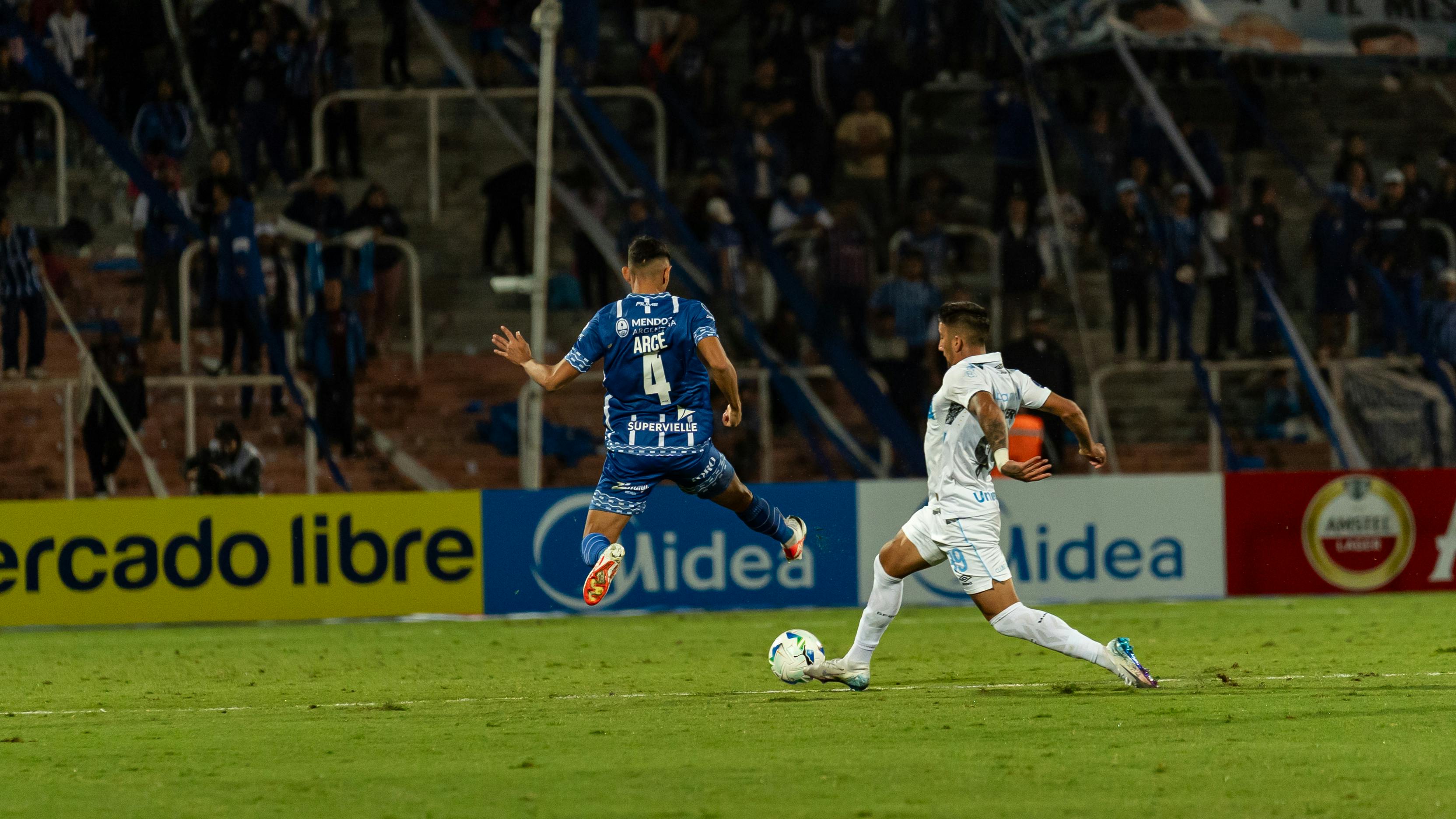

When the Ball Rolls, a Nation Breathes Together
There are a few things in Ecuador that stop time the way football does. When the national team, La Tri, takes the field, something extraordinary happens. Restaurants empty. Streets quiet. Families crowd around television screens in living rooms from Quito to Guayaquil, from the Sierra highlands to the coastal lowlands. Ecuador's football pride is woven into the country's cultural fabric, expressed through tears, chants, painted faces, and an unshakeable belief that belonging to this nation means something real and lasting.

Welcome to United Tribes
Where Ecuadorian Culture Comes Alive
Join Your Tribe
Connect with your people
Discover Events
Watch parties & festivals
Find Ecuadorian Businesses
Restaurants, markets & more
Earn Crown Credits
Get rewarded for engaging
For Ecuadorians both at home and abroad, football is the thread that stitches generations together. It is the language spoken between a grandfather and his grandchild, between neighbors who share nothing else in common, between immigrants far from home who still wear the yellow, blue, and red with fierce devotion.
The History That Shaped La Tri's Soul
Ecuador's relationship with football stretches back over a century, but it was the early 2000s that truly transformed La Tri into a symbol of national possibility. Qualifying for the 2002 FIFA World Cup in South Korea and Japan was seismic. For a country that had long lived in the shadow of South American footballing giants like Brazil and Argentina, simply being on that stage felt like proof of something larger, that Ecuador belonged, that its people deserved recognition.
Then came 2006 in Germany. Ecuador advanced past the group stage for the first time in World Cup history. The image of striker Agustín Delgado and the tactical brilliance of coach Hernán Darío Gómez remain etched in the national memory. That tournament didn't just produce results. It produced identity.
World Cup Ecuador Identity and the Diaspora Experience
For Ecuadorians living in the United States, World Cup moments carry a particular emotional weight. The World Cup lives not just in Quito apartments but in Queens kitchens, Chicago neighborhoods, and Los Angeles living rooms, where second-generation Ecuadorians discover what it means to claim their roots.
When Ecuador qualified for the 2022 World Cup in Qatar, the celebration was global. Ecuadorian communities across American cities gathered, draped in national colors, sharing food, memories, and pride. It was a reminder that identity does not require a passport or a permanent address. It requires only a shared story, and football provides exactly that.
For many diaspora Ecuadorians, watching La Tri is one of the most direct connections they maintain to their homeland. It bridges the distance between who they are and where they came from.
Soccer Ecuador Fans: The Heartbeat of a Movement
Understanding soccer for Ecuadorian fans means understanding that support for the national team transcends sport entirely. Ecuadorian football culture is participatory, loud, visual, and deeply emotional.
The experience of being an Ecuadorian football supporter includes:
- Painting faces with the national flag's yellow, blue, and red
- Gathering in communal spaces like plazas, restaurants, and community centers to watch matches collectively
- Preparing traditional foods like ceviche, llapingachos, and seco de pollo as part of the match-day ritual
- Singing chants passed down through families and neighborhoods
- Flying Ecuadorian flags from apartment balconies and car windows on match days
Football as a Mirror of Ecuadorian Society
Football in Ecuador also reflects the country's social complexity. The sport has historically served as a platform for Afro-Ecuadorian players, many from the Esmeraldas province, to rise to national and international prominence. Players like Ulises de la Cruz and Antonio Valencia became heroes not just for their athletic achievements but for what they represented: the visibility and strength of communities that have long fought for recognition.
The pitch has always been a place where class, race, and regional identity meet. When an Afro-Ecuadorian player scores for La Tri, it is a statement about belonging, about who gets to represent the nation and be celebrated for it. That complexity makes Ecuadorian football richer and more meaningful than any trophy or ranking can capture.
The Chant, the Kit, and the Cultural Ritual
Every Ecuadorian football supporter knows the feeling of pulling on — or watching someone pull on — the national jersey. La Tri's yellow shirt is Ecuador's cultural armor that says, "I am from here. I carry this with me wherever I go."
Match-day rituals often begin hours before kickoff. Families prepare food. Neighborhoods organize. Social media is filled with messages of encouragement in Spanish and Kichwa. Local clubs, fan groups, and diaspora organizations host viewing parties that feel more like cultural celebrations than sporting events.
These rituals are how Ecuador's football pride and culture are passed down through generations. They teach young Ecuadorians, especially those born outside the country, that identity must be practiced, repeated, and celebrated rather than passively inherited.
Football and the Future of Ecuadorian Pride
Ecuador's football future is bright and contested in equal measure. Young talents continue to emerge, and the next generation of La Tri carries both the promise of athletic excellence and the weight of national expectation. But more importantly, the culture around football continues to evolve, embracing digital platforms, social media communities, and global diaspora networks that keep Ecuadorian football pride alive across borders and time zones.
La Tri Lives Wherever Ecuadorians Gather
Football in Ecuador has never been just about winning or losing. It has been about seeing yourself reflected in something larger, a national story told through skill, sacrifice, and shared emotion. From the highlands to the coast, from Guayaquil to New York City, La Tri carries the weight of millions of people who find in football a language for pride, memory, and belonging. The cultural rituals, the diaspora connections, and the historical milestones are all part of the same unbroken thread.
For Ecuadorians navigating life in the United States, that thread is more important than ever. Cultural identity needs spaces where it can breathe, be celebrated, and be passed forward. Football provides one of those spaces, but it is not the only one. Community, food, language, and shared heritage all play their part in keeping Ecuador's football pride and culture alive in every corner of the world.
Visit United Tribes today to learn more about Ecuadorian culture and community, where heritage is celebrated, businesses are discovered, and belonging is always just one click away.


