
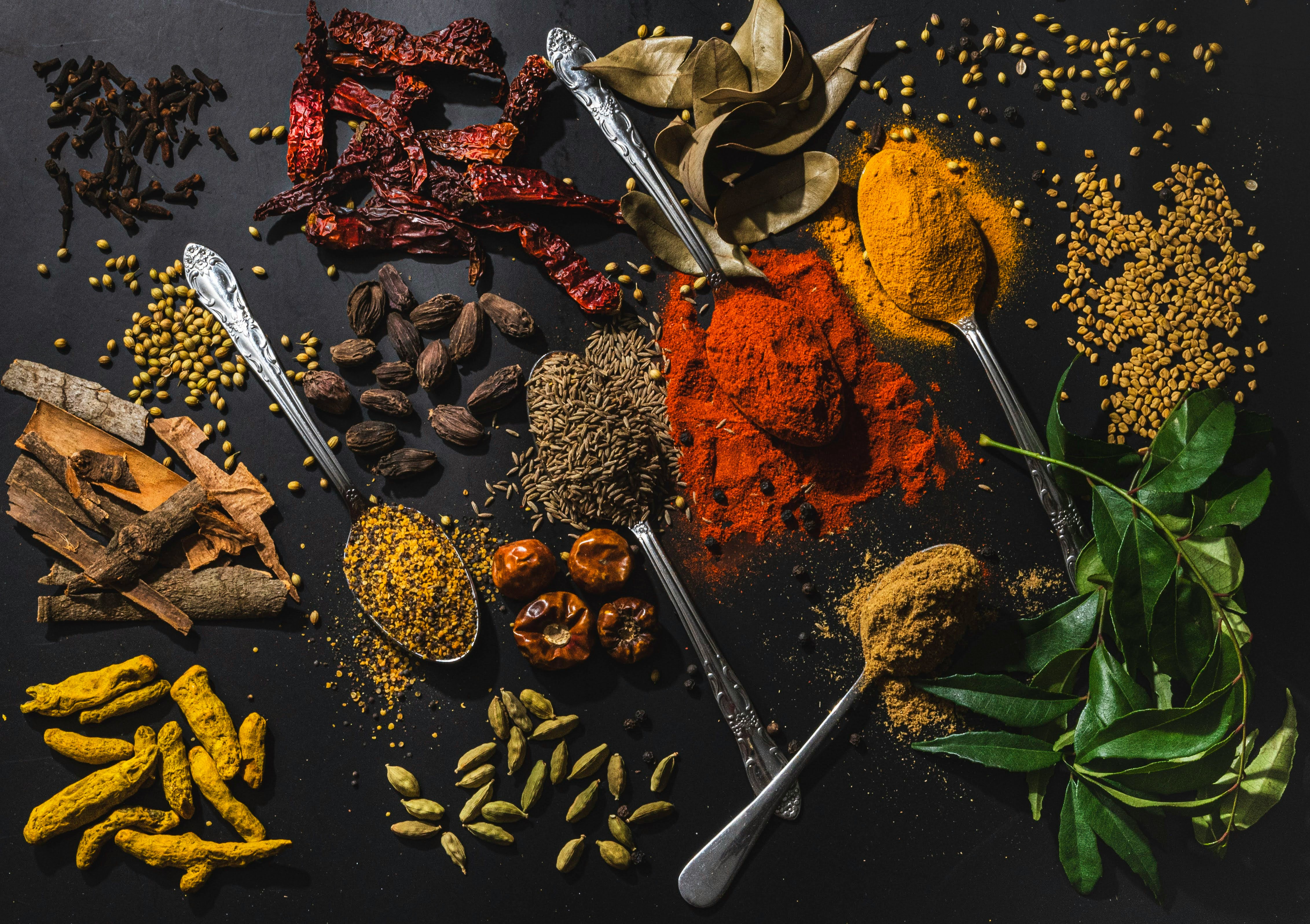


As the seasons shift and nature awakens with fresh energy, Indian households across the country embrace this transformation through one of their most cherished traditions: food. The concept of seasonal eating runs deep in Indian culture, where families naturally adjust their cooking practices, ingredients, and meal patterns to align with nature's rhythm. This beautiful tradition of Indian spring lifestyle changes brings families together in the kitchen, creating lighter, more vibrant meals that celebrate renewal and fresh beginnings.
The Philosophy Behind Seasonal Cooking in Indian Culture
Indian culinary tradition is grounded in the belief that food should harmonize with seasonal changes to promote optimal health and well-being. This philosophy, deeply rooted in Ayurvedic principles, suggests that our digestive fire, or "agni," changes with the seasons, requiring different foods and cooking methods.
During transitional periods, Indian home food traditions emphasize lighter preparations that help cleanse the body from heavier winter foods while preparing for the more active months ahead. Families are beginning to incorporate more fresh vegetables, cooling spices, and hydrating ingredients that naturally detoxify and energize the system.
Traditional wisdom guides these changes through several key principles: reducing heavy, oil-rich foods that were necessary during colder months, increasing fresh produce and raw preparations, incorporating bitter and astringent tastes that support liver function, and adjusting spice combinations to support changing digestive needs.
Fresh Produce Takes Center Stage
As Indian families welcome seasonal changes, their kitchens transform into vibrant spaces filled with fresh, seasonal produce. The shift toward lighter eating begins with a conscious selection of ingredients that reflect nature's offerings during this time of renewal and growth.
Leafy greens become the stars of many meals, with families incorporating more spinach (palak), fenugreek leaves (methi), mustard greens (sarson), and amaranth leaves (chaulai) into their daily cooking. These nutrient-dense vegetables provide the perfect foundation for lighter curries, fresh salads, and steamed preparations that support the body's natural detoxification processes.
Fresh herbs and aromatics gain prominence during this seasonal transition. Cilantro, mint, curry leaves, and fresh ginger appear in abundance, adding bright flavors and natural cooling properties to meals. Many families are starting to grow their own herb gardens, creating a direct connection between their kitchens and the earth's regenerative energy.
Spring vegetables like tender okra, baby eggplants, fresh peas, and young bottle gourds make their way into Indian home food traditions, often prepared with minimal spices to highlight their natural flavors. These vegetables require less cooking time and oil, supporting the overall goal of lighter, more digestible meals.
Seasonal fruits also play a crucial role in this dietary transition. Families increase their consumption of hydrating fruits like watermelon, muskmelon, and cucumber, often incorporating them into cooling drinks, salads, and even savory preparations that support the body's changing needs.
Lighter Cooking Methods and Techniques
The transition to seasonal eating involves not just changing ingredients but also adapting cooking methods to create meals that feel appropriate to the season's changing energy. Indian families naturally gravitate toward techniques that preserve the fresh qualities of ingredients while making them easily digestible.
Steaming and Light Sautéing
Steaming becomes a preferred cooking method for many vegetables, preserving their nutritional content while creating light, satisfying dishes. Families prepare steamed momos filled with fresh vegetables, light idlis with seasonal vegetable sambars, and steamed vegetable medleys seasoned with minimal spices.
Light sautéing with less oil allows the natural flavors of fresh produce to shine through. Instead of heavy tempering with multiple spices, families opt for simple preparations using cumin seeds, mustard seeds, and fresh curry leaves to enhance rather than mask the ingredients' natural taste.
Fresh Preparations and Raw Foods
Many Indian households are beginning to incorporate more raw preparations into their meals. Fresh salads combining cucumbers, tomatoes, onions, and herbs become regular accompaniments. Families prepare more raitas, fresh chutneys, and sprouted legume salads that provide cooling energy and essential nutrients.
Cold soups and drinks made from seasonal ingredients become popular choices. Families blend fresh mint with yogurt for cooling lassis, prepare cucumber-based cold soups, and create refreshing drinks using seasonal fruits that help maintain hydration while providing essential vitamins.
Simplified Spice Profiles
The complexity of spice combinations often decreases during this seasonal transition. Instead of heavy garam masala blends, families favor cooling spices like coriander, fennel, and cardamom. Fresh ginger replaces dried forms, and families use more herbs like mint and cilantro to add flavor without generating excess internal heat.
Adjusting Family Meal Patterns
Seasonal Indian cooking extends beyond individual dishes to encompass entire meal patterns and family dining rhythms. Indian families often adjust not just what they eat, but when and how they share meals during seasonal transitions.
Breakfast modifications reflect this seasonal awareness. Heavy parathas stuffed with potatoes give way to lighter options like poha with fresh vegetables, upma with seasonal greens, or fresh fruit-based breakfasts. Many families incorporate more yogurt-based preparations and fresh fruit smoothies, which provide energy without causing heaviness.
Lunch preparations become more focused on easily digestible combinations. Families prepare lighter dal preparations, increase the proportion of vegetables to grains, and include more fresh salads and cooling accompaniments. The traditional Indian practice of eating the largest meal at midday aligns perfectly with seasonal eating principles, allowing the body to process nutrients when digestive fire is naturally strongest.
Dinner customs often shift toward even lighter fare during seasonal transitions. Many families embrace the tradition of having soup-based meals, light khichdi preparations, or simple vegetable dishes that support peaceful sleep and overnight recovery.
Family gathering traditions around food also evolve with the seasons. Extended cooking sessions in which multiple generations prepare fresh pickles, seasonal preserves, and traditional dishes offer opportunities to pass down knowledge about Indian family meals and seasonal eating wisdom.
The practice of eating together as a family takes on special significance during these transitional times. Shared meals become moments to discuss seasonal changes, plan garden activities, and reinforce cultural values around food, health, and family connection. Just as families celebrate cultural traditions during festivals like those featured in creative Diwali home decor, the seasonal transition in cooking becomes its own form of celebration and cultural continuity.
Traditional Recipes for Seasonal Transitions
Indian home food traditions include numerous time-tested recipes specifically designed to support the body during seasonal changes. These dishes, passed down through generations, combine nutritional wisdom with delicious flavors, making healthy eating a pleasure rather than a chore.
Cooling dal preparations become staples during this time. Moong dal cooked with fresh cilantro, ginger, and minimal spices provides easily digestible protein while supporting detoxification. Many families prepare masoor dal with fresh tomatoes and curry leaves, creating light yet satisfying meals that don't burden the digestive system.
Seasonal vegetable combinations feature prominently in family menus. Mixed vegetable dishes using bottle gourd, ridge gourd, and tender beans create nutritious one-pot meals. Families often prepare these with coconut, creating regional variations that reflect local tastes while remaining seasonally appropriate.
Fresh chutney preparations multiply during seasonal transitions. Mint-cilantro chutneys, cucumber-yogurt combinations, and tomato-based fresh relishes add bright flavors to simple meals while providing cooling properties that balance the body's internal temperature.
Hydrating beverages become essential components of daily nutrition. Families prepare fresh buttermilk with roasted cumin and fresh herbs, create cooling drinks with seasonal fruits, and increase consumption of herbal teas that support digestive health and seasonal adaptation.
Embracing Seasonal Food Wisdom Together
The beautiful tradition of welcoming seasonal changes through food represents one of the most profound ways Indian families maintain their cultural identity while supporting their health and well-being. These Indian home food traditions demonstrate how ancient wisdom can seamlessly integrate with modern life, creating meals that nourish both body and spirit. The practice of seasonal Indian cooking connects families to natural rhythms while strengthening bonds between generations through shared kitchen experiences and traditional knowledge.
Visit United Tribes today to learn more about Indian culture and community traditions that continue to enrich families across America through food, festivals, and shared cultural experiences.


