
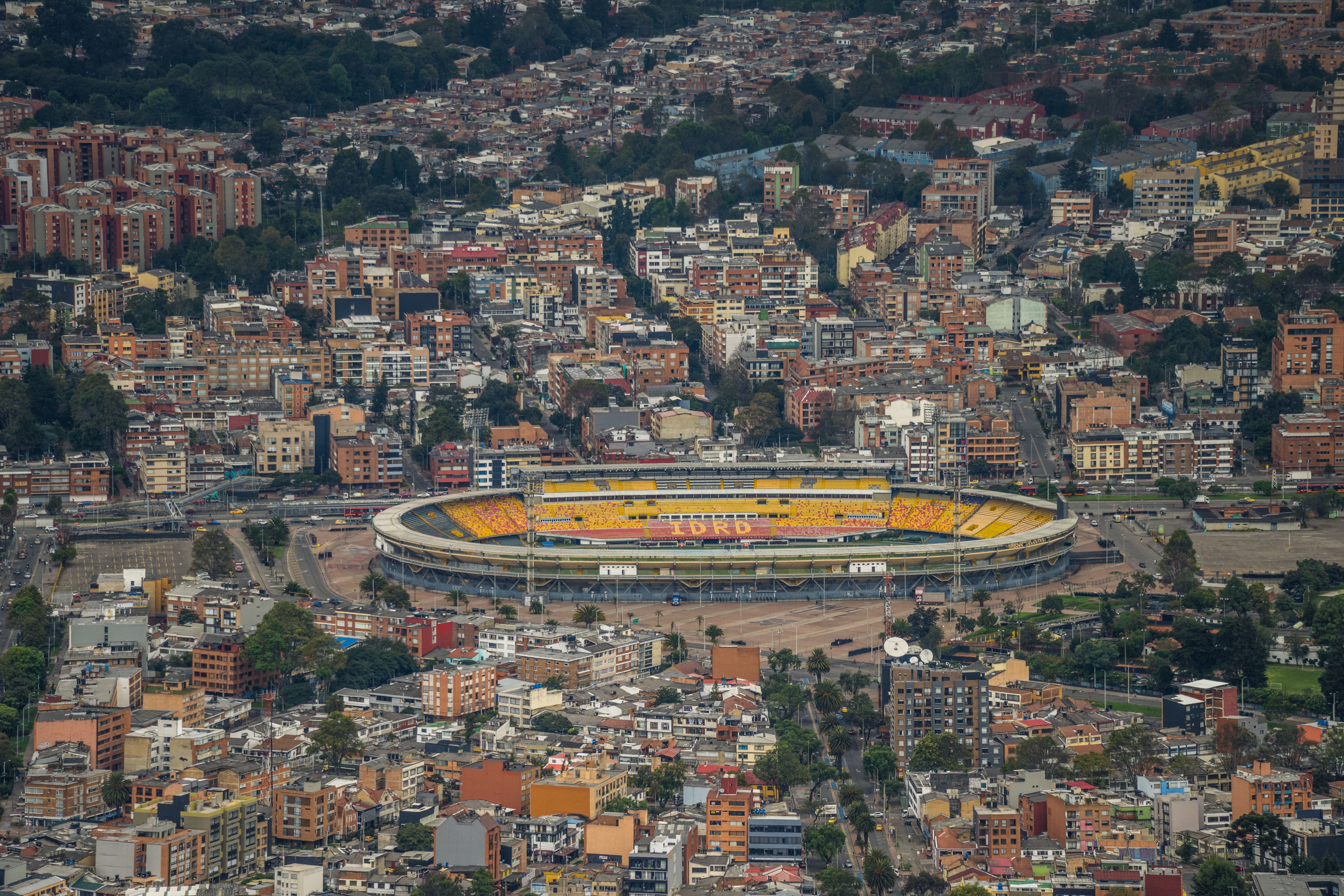


When the Beautiful Game Meets Colombian Soul
Few moments unite a diaspora community quite like a World Cup. For Colombian-Americans across the United States, FIFA 2026 was a full-throated celebration of identity, heritage, and belonging. From Miami's Little Havana corridor to Chicago's Colombian enclaves and the restaurants of Jackson Heights, Queens, Colombian culture during the FIFA World Cup became a living, breathing expression of what it means to carry a homeland in your heart while building a life in America.
Every match day carried the weight of something larger than a scoreline. Families draped yellow, blue, and red across their windows. Neighborhoods smelled of freshly griddled arepas and simmering bandeja paisa. And for a few glorious hours each game day, the distance between Bogotá and Boston felt like nothing at all.
The Food That Fueled the Watch Parties
No Colombian gathering happens without food, and match days were no exception. Colombian food and soccer have always shared a natural bond: both are communal, emotional, and deeply expressive. Kitchens across the country fired up hours before kickoff, with arepas de choclo leading the charge alongside chicharrón, empanadas, and hearty pots of ajiaco.
The arepa, in particular, became an unofficial symbol of the tournament for Colombian fans. Whether stuffed with cheese, topped with hogao, or served plain off a hot comal, arepas carried the flavors of home to watch parties from coast to coast. Families who hadn't gathered in months found themselves crowded around televisions, passing plates and trading stories between plays.
Beyond home kitchens, Colombian restaurants saw record foot traffic during tournament weeks. Owners extended hours, set up outdoor screens, and decorated with flags and streamers. The match became the menu: special FIFA-themed platters, discounted cervezas, and live vallenato music between halves turned every table into a piece of Colombia.
Community Spaces That Became Cultural Anchors
Colombian cultural organizations and community centers stepped up during FIFA 2026 to create spaces where fans could gather with intention. Colombian fans for the World Cup wanted to *experience* the tournament as a community. Soccer clubs, cultural associations, and parish halls opened their doors for viewing events that doubled as cultural celebrations.
In cities like Houston, Los Angeles, and New York, Colombian-American groups organized watch parties that went well beyond the game itself. Think face painting in the tricolor, cumbia performances, pop-up vendor markets selling Colombian crafts and jerseys, and kids' zones where the next generation learned about their heritage while cheering alongside their parents.
These events reinforced something essential: cultural identity thrives in shared space. The tournament gave Colombian-Americans a recurring reason to come together, and the community infrastructure that supported it —the businesses, the organizations, the families—proved just how deep those roots run in American soil.
Small Businesses at the Heart of the Celebration
Local Colombian-owned businesses were the unsung heroes of FIFA 2026. Bakeries stocked extra pan de bono. Butcher shops ran out of chorizo by noon on game days. Grocery stores specializing in Colombian imports, such as green plantains, panela, and fresh herbs for ajiaco, reported some of their strongest sales of the year.
For many small business owners, the tournament was also a moment of visibility. Colombian-American entrepreneurs used the energy of the World Cup to introduce their products to new customers, neighbors, coworkers, and friends who had never tasted a proper empanada or a cold aguapanela on a summer afternoon. The exposure extended online, too, with social media flooded by watch party recaps, food posts, and business shoutouts that reached well beyond existing customer bases.
How Colombian Families Passed the Torch
Perhaps the most meaningful dimension of FIFA 2026 for the Colombian-American community was its generational aspect. Second- and third-generation Colombian-Americans — many of whom grew up straddling two cultures — found themselves fully embracing their roots during the tournament. Young people who might not speak fluent Spanish still knew every word to *"Colombia, tierra querida."* Teenagers who had never visited Medellín wore the yellow jersey with pride.
Parents and grandparents seized the moment. Abuelas taught grandchildren to make arepas from scratch. Fathers explained Colombian soccer history — the legends of Carlos Valderrama, Faustino Asprilla, and the iconic 1990 and 1994 World Cup generations. The sport became a bridge, and food became the language through which history was passed down.
Colombia's Pride Lives in Every Match
FIFA 2026 reminded Colombian-Americans that their culture is something carried forward, match by match, meal by meal, generation by generation. From the sizzle of arepas on a griddle to the roar of a watch-party crowd, Colombian culture showed up in full during this tournament. It filled restaurants, living rooms, and community halls with warmth, flavor, and a sense of belonging.
For small business owners, families, and cultural organizers, the World Cup was proof that community infrastructure matters. The businesses that stayed open late, the organizations that hosted events, and the families that cooked for thirty people on a Tuesday all contributed to something larger than a tournament result.
Visit United Tribes today to learn more about Colombian culture and community — discover local businesses, upcoming cultural events, and stories from the Colombian-American diaspora that keep this vibrant heritage alive across the United States.


