


The vibrant world of Filipino festive sweets is experiencing a remarkable renaissance across the United States, as traditional delicacies that have graced Filipino celebrations for centuries find new audiences and appreciation in American communities. From the colorful, steamed rice cakes known as puto to the crumbly, melt-in-your-mouth polvorón, these beloved treats satisfy sweet cravings, serving as cultural ambassadors that introduce Filipino heritage to diverse palates while providing comfort and connection for the Filipino diaspora.
As Filipino communities continue to grow and thrive throughout America, these traditional sweets are transcending cultural boundaries, appearing in mainstream bakeries, food festivals, and social media feeds. The story of how Filipino desserts have been embraced is one of cultural preservation meeting culinary innovation, where time-honored recipes are being shared, adapted, and celebrated in new environments while maintaining their authentic roots and ceremonial significance.
The Colorful World of Puto
Puto stands as one of the most recognizable Filipino festive sweets, distinguished by its vibrant colors and soft, chewy texture that has captivated sweet lovers across America. These steamed rice cakes, traditionally made from ground rice and colored with natural dyes, embody the Filipino spirit of celebration and community gathering.
Traditional Significance and Preparation
The art of making puto involves a meticulous process that begins with soaking and grinding rice into a fine flour, which is then mixed with coconut milk, sugar, and water to create a smooth batter. The distinctive rainbow of colors, from bright purple using ube to vibrant green from pandan, reflects the Filipino love for visual presentation in food. Traditional preparation methods involve steaming the batter in small molds, often banana leaves, which impart a subtle earthy flavor that complements the sweet, slightly salty taste profile.
In Filipino celebrations, puto typically appears alongside other kakanin (rice cakes) during festivals, birthdays, and religious observances. The circular shape symbolizes wholeness and prosperity, making these treats essential elements of festive tables. American Filipino families have maintained these traditions, with many bakeries in California, New York, and Texas now offering authentic puto varieties that serve both nostalgic Filipino customers and curious newcomers.
Polvorón: The Crumbly Delight
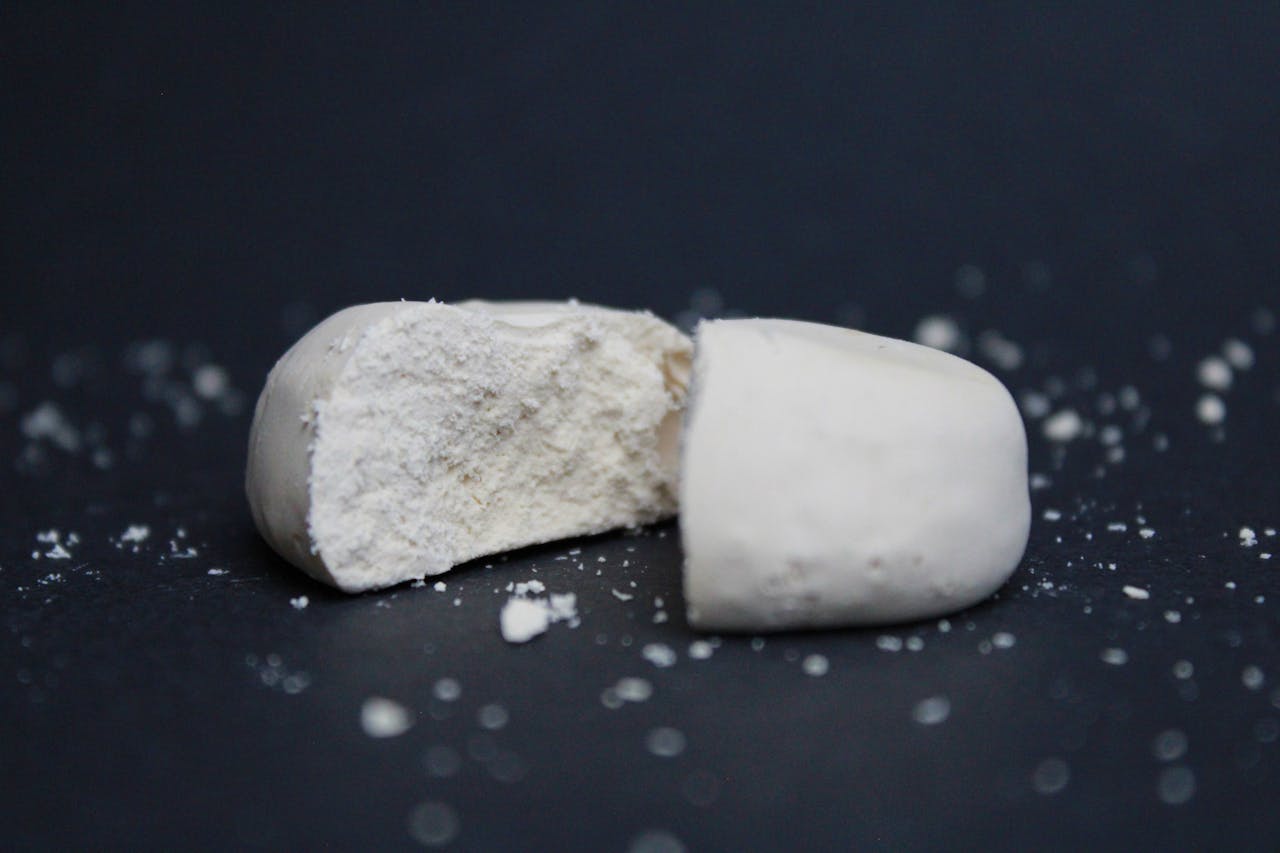
Polvorón represents the perfect marriage of Spanish colonial influence and Filipino culinary creativity, resulting in a shortbread-like confection that literally melts on the tongue. This beloved treat has found particular success in American markets due to its unique texture and the satisfying ritual of unwrapping each individually packaged piece from its distinctive cellophane wrapper.
Crafting the Perfect Polvorón
The traditional polvorón-making process involves toasting flour until golden, then combining it with powdered milk, sugar, and butter to create a mixture that holds together when pressed but crumbles delicately when eaten. Master bakers often add modern twists like crushed cookies, nuts, or ube flavoring while maintaining the essential texture that defines authentic polvorón.
American Filipino entrepreneurs have successfully introduced polvorón to mainstream markets by emphasizing its gluten-free potential and positioning it as an artisanal alternative to conventional cookies. Local Filipino festivals across the United States now feature polvorón-making demonstrations, where visitors can learn about the precise balance required to achieve the perfect crumbly consistency that characterizes this treasured sweet.
Yema: Golden Drops of Sweetness
Yema, with its rich golden color and intensely sweet flavor, represents the epitome of Filipino comfort food desserts. This confection, made primarily from egg yolks and condensed milk, has gained significant traction in American specialty food markets where consumers appreciate its artisanal quality and intense, custard-like flavor profile.
The preparation of yema requires patience and skill, as the mixture must be continuously stirred over low heat until it reaches the perfect consistency that’s thick enough to hold its shape but soft enough to yield to gentle pressure. Many Filipino Americans have fond memories of helping family members stir yema pots during holiday preparations, making this sweet particularly meaningful for diaspora communities seeking connection to their heritage.
Contemporary American adaptations have seen yema incorporated into fusion desserts, appearing as cake fillings, ice cream flavors, and even as gourmet chocolate truffle centers, demonstrating the versatility of this traditional Filipino dessert.
Leche Flan: The Sweet and Glistening Crown Jewel
Leche flan stands as the most internationally recognized Filipino dessert, earning its place as the crown jewel of Filipino festive sweets through its elegant presentation and sophisticated flavor profile. This silky custard, topped with amber caramel, has successfully crossed cultural boundaries in American dining, appearing in upscale restaurants and artisanal dessert shops nationwide.
Mastering the Art of Leche Flan
Creating perfect leche flan demands technical precision and understanding of caramelization processes. The foundation begins with creating a deep amber caramel that provides both the distinctive bitter-sweet flavor and the glossy presentation that defines quality leche flan. The custard mixture, typically made with egg yolks, condensed milk, and evaporated milk, must be strained meticulously to ensure the final product's signature smooth texture.
American culinary schools have begun incorporating leche flan techniques into their pastry programs, recognizing the dessert's growing popularity and the technical skills required for proper execution. Filipino American chefs have also pioneered innovative presentations, creating individual portions in elegant ramekins and developing complementary flavor combinations that appeal to diverse American palates while respecting traditional preparation methods.
Just as halo-halo represents the evolution of Filipino summer treats, leche flan demonstrates how traditional Filipino desserts can maintain their authentic character while adapting to new culinary environments and expectations.
Cultural Impact and Community Connection
The growing popularity of Filipino festive sweets in America extends far beyond mere culinary trends, representing a broader movement of cultural appreciation and community building. These desserts serve as conversation starters, cultural education tools, and bridges between Filipino heritage and American contemporary food culture.
Filipino American entrepreneurs have leveraged the appeal of these traditional sweets to build successful businesses that serve both cultural preservation and economic empowerment goals. From small-scale home bakers selling at local farmers' markets to established bakeries expanding their reach through online platforms, these sweet ambassadors are creating opportunities for cultural exchange while supporting community economic development.
The integration of puto polvoron leche flan into mainstream American food festivals and cultural events demonstrates the growing recognition of Filipino culinary contributions to America's diverse food landscape, fostering greater understanding and appreciation of Filipino heritage among broader audiences.
Sweet Traditions Building Cultural Bridges
The journey of Filipino festive sweets from traditional celebration tables to American mainstream markets illustrates the powerful role food plays in cultural preservation and community building. Puto, polvorón, yema, and leche flan continue to serve their traditional ceremonial purposes while simultaneously introducing Filipino heritage to new audiences and creating economic opportunities for Filipino American entrepreneurs.
As these festive Filipino sweets gain recognition and appreciation across the United States, they strengthen the connection between Filipino Americans and their cultural roots while building bridges of understanding with other communities. The success of these traditional desserts in American markets demonstrates the universal appeal of authentic, culturally significant foods that carry stories, traditions, and the warmth of shared celebration.
Visit United Tribes today and find out more about Filipino culture and community, where you can discover local Filipino businesses, upcoming cultural events, and connect with the vibrant Filipino American community celebrating their heritage through food, festivals, and shared traditions.


