
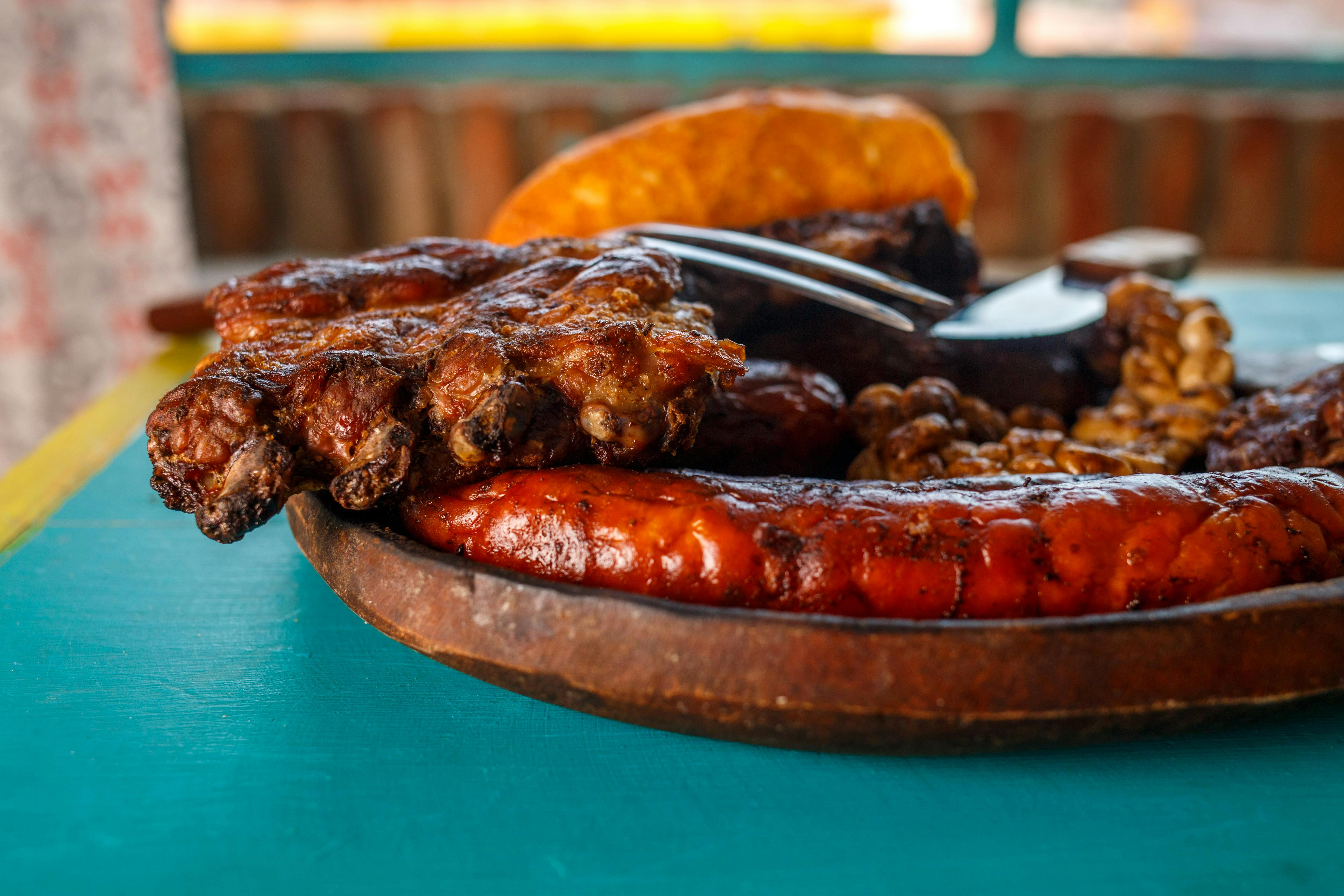


In Paraguay, a football match is never just a game. It is a full sensory event — the sizzle of meat on the grill, the smell of freshly baked chipa drifting through the house, and the sound of the whole family arguing over who deserves a spot on the couch closest to the television. Paraguay football culture family ties run deep, and nowhere is that more visible than on matchday, when households across the country (and among the diaspora in the U.S.) transform into vibrant, food-filled gathering spaces. This is the Paraguayan way of watching football, and it is something truly worth celebrating.
Football Is a Family Affair in Paraguay
For Paraguayans, soccer traditions cultivated over generations are about belonging. Whether the national team is playing in a World Cup qualifier or a local club match is on TV, the instinct is the same: call the family, fire up the grill, and make an afternoon of it.
Grandparents pull out their lucky jerseys. Cousins debate lineups. Children run around the yard in red-and-white stripes, pretending to be their favorite players. The match becomes the backdrop for something much larger — a ritual of togetherness that reaffirms cultural identity and family bonds with every passing minute.
Setting the Scene: The Paraguayan Matchday Setup
A proper Paraguayan game night requires preparation. This is not a grab-a-bag-of-chips situation. Hours before kickoff, the household is already in motion.
1. The grill is lit early. The *asado* — Paraguay's beloved tradition of slow-grilled meats — begins well before the opening whistle.
2. The chipa gets baked. These cheesy, slightly dense bread rolls made from cassava flour are a non-negotiable matchday staple.
3. Tereré is prepared. Paraguay's national drink, a cold herbal infusion similar to mate, is served in a guampa (gourd) and passed around communally.
4. Seating is arranged. The best chairs migrate toward the television. Rank in the family often determines who gets the prime viewing spot.
5. Children are assigned tasks. Even the youngest members participate, running drinks, fetching snacks, or simply generating noise and enthusiasm.
In this football gathering, Paraguay's tradition of collective preparation is as important as the match itself. The buildup creates anticipation, and every task completed together adds to the communal energy.
The Food That Fuels the Passion
No Paraguayan matchday spread is complete without the right dishes on the table. Food is the emotional anchor of these gatherings, carrying flavors that connect families to their homeland.
- Chipa: The king of Paraguayan snack food — baked rings of cheesy cassava dough that are chewy, warm, and deeply satisfying.
- Sopa Paraguaya: Despite the name, this is not a soup. It is a dense, savory cornbread made with cheese, onion, and sometimes pork fat. A staple at every major gathering.
- Asado: Grilled beef, pork ribs, and chicken slow-cooked over wood or charcoal. Each family has its own grillmaster whose techniques are passed down like sacred knowledge.
- Mbejú: A thin, crispy cassava and cheese pancake often served as a lighter snack during halftime.
- Tereré: Cold yerba mate mixed with medicinal herbs, citrus, or mint. Shared from one guampa, passed from person to person — a gesture of community in a single sip.
Tereré: More Than Just a Drink
Tereré deserves its own moment. In Paraguay, sharing tereré is one of the most intimate social acts a family can perform. During a football match, the guampa travels from hand to hand in a specific order — usually starting with the eldest — and everyone drinks from the same vessel.
This practice embodies the family spirit of Paraguayan football perfectly. It says: we are in this together. Whether the team scores or misses a crucial penalty, the guampa keeps moving, and so does the conversation, the laughter, and the support.
Club Loyalty and the Conversations It Sparks
Paraguay's domestic football scene, dominated by clubs like Olimpia and Cerro Porteño, adds another layer of drama to family gatherings. These two clubs carry fierce, multigenerational rivalries, and it is entirely common for a single household to contain fans from both sides.
This internal family tension is part of the fun. The trash talk is affectionate. The bets are small — usually, who does the dishes. And when both club fans unite behind the national team, La Albirroja, it is a moment of genuine pride that transcends club allegiance.
Keeping Traditions Alive in the U.S. Diaspora
For Paraguayan families living across the United States, replicating these matchday traditions is an act of cultural preservation. Finding the right cassava flour, sourcing yerba mate, or gathering enough family members in one place takes effort — but that effort is exactly the point.
These soccer traditions Paraguay families carry with them are bridges between two worlds. They allow children born in the U.S. to understand where they come from, to taste it, feel it, and celebrate it alongside their families every time the national team takes the field.
Bringing Paraguayan Matchday Culture Together
Paraguayan football gatherings are a masterclass in community. From the slow burn of the asado to the circular ritual of sharing tereré, every element of matchday culture reflects a deeper truth about Paraguayan identity — that life is best experienced together, loudly, with great food and even greater passion. These traditions are not relics of the past. They are living practices that Paraguayan families carry proudly into their present.
For Paraguayans in the United States, preserving these rituals is both a form of resistance to cultural erasure and a celebration of what makes their heritage unique. Whether you are hosting your first matchday asado in a new city or teaching your American-born kids the rules of football alongside the rules of sharing tereré, each gathering strengthens the thread connecting you to home.
Visit United Tribes today to learn more about Paraguayan culture and community. Discover businesses, events, and stories that keep this vibrant heritage alive and growing across the United States.


