
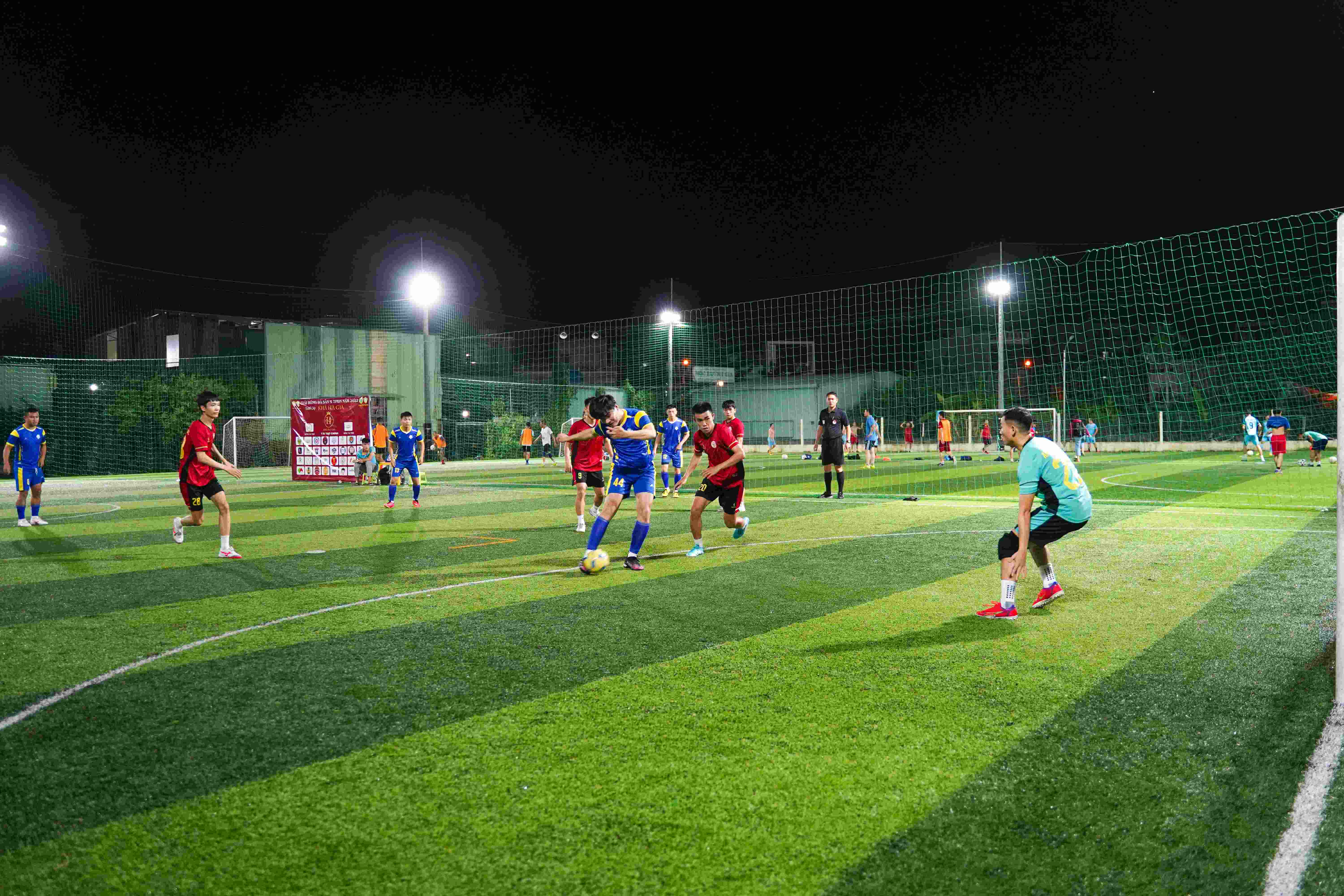

There is something universal about football that transcends borders, languages, and time zones. Whether it is a World Cup qualifier or a local league final, the moment the whistle blows, kitchens ignite, tables fill, and living rooms transform into something far greater than a viewing space. Across cultures, football traditions are inseparable from food, family, and the kind of storytelling that gets passed down through generations.
Football as a Cultural Gathering Point
For millions of people around the world, football is the backdrop against which community is built. Soccer watch party traditions vary widely across cultures, but they share a common thread: food is never an afterthought. It is the centerpiece. Preparing a meal before a match is its own ceremony, often beginning hours in advance and involving multiple generations working side by side in the kitchen.

Welcome to United Tribes
Where Diverse Cultures Come Alive
Join Your Tribe
Connect with your people
Discover Events
Watch parties & festivals
Find Tribe Businesses
Restaurants, markets & more
Earn Crown Credits
Get rewarded for engaging
In many Latin American households, World Cup gatherings are treated with the same gravity as a holiday. The television may be the anchor, but the spread on the table is the soul of the event. Understanding how deeply food and football are intertwined helps explain why these gatherings feel so emotionally charged.
Latin American Game Day Rituals
Across Mexico, Colombia, Venezuela, and beyond, match day is synonymous with communal cooking. Families gather not just to watch, but to prepare. Tamales might be steamed the night before. Salsas are made fresh. The act of cooking together before a big match is as much a part of the tradition as cheering for a goal.
Mexican football traditions often involve antojitos — small bites designed for snacking across a long match. Tostadas, elotes, and guacamole appear in abundance. These foods reflect a broader culinary philosophy that you can explore through Mexico's diverse culinary traditions, where regional flavors and communal preparation have always gone hand in hand.
Colombian and Venezuelan households tend to lean on arepas as the quintessential game-day food. Versatile, satisfying, and deeply cultural, arepas can be filled, grilled, or topped to suit family preferences. Their role in game-day spreads across South America speaks to how a single dish can carry enormous cultural weight.
The Role of Ceviche in Coastal Football Culture
In coastal communities across Peru, Ecuador, and Mexico, ceviche holds a special place on the game-day table. Its bright, acidic profile makes it an ideal match-day dish — light enough to eat across hours of viewing, bold enough to keep energy high.
Preparing ceviche before a major match is a ritual in itself. Families debate the right balance of lime, the freshness of fish, and whether to add extra heat. This communal negotiation over a dish is a form of cultural expression. The art of making ceviche reveals just how much technique, history, and identity are embedded in what might seem like a simple plate of marinated seafood.
Shared Dishes, Shared Identity
One of the most powerful aspects of cultural food rituals during sports events is how they reinforce identity. When a second-generation immigrant prepares their grandmother's recipe during a World Cup match, they are preserving a link to something larger than themselves.
This dynamic plays out across dozens of communities in the United States. The influence of Latin cuisine in the U.S. demonstrates how football watch parties have become one of the most powerful vehicles for keeping culinary traditions alive in diaspora communities. The kitchen becomes a classroom. The match becomes a memory.
What Makes a Game Night Spread
Across cultures, certain elements consistently appear in a well-prepared football gathering:
- Fresh, shareable dishes that allow easy grazing over 90-plus minutes
- Sauces and condiments prepared from scratch as a family activity
- Regional specialties that signal cultural pride and hometown loyalty
- Beverages tied to tradition, from aguas frescas to horchata
- Desserts that appear at halftime, often made by the oldest member of the family
The structure of these spreads reflects a deep understanding that football is a long event and food must sustain energy, conversation, and emotion throughout.
Building the Ritual Step by Step
Many families follow an informal but consistent sequence when preparing for a major match:
1. Decide the menu based on who is attending and which teams are playing
2. Shop for ingredients together, often the morning of the match
3. Assign cooking roles by generation or skill
4. Begin preparation two to three hours before kickoff
5. Set the table communally, with dishes placed at the center
6. Eat as the match begins, continuing to graze through full time
7. Gather for a shared dessert or snack during halftime
This sequence is rarely written down. It is absorbed through participation, repeated across years until it becomes instinct.
Football, Food, and the Ties That Hold
Game nights built around football are among the most enduring expressions of cultural food rituals alive today. From the meticulous preparation of tamales and ceviche to the communal assembly of arepas and fresh salsas, these traditions demonstrate that sport is never just sport. It is a framework for gathering, remembering, and passing something meaningful forward.
For communities living across the United States, these soccer watch party traditions carry even greater significance. They are among the most accessible and joyful ways to stay connected to heritage, especially when geography has created distance between families and their places of origin. Every dish placed on that table is a small act of preservation.
Visit United Tribes today to learn more about Latin culture and community, from the businesses keeping these traditions alive to the events that bring people together around what matters most.


