
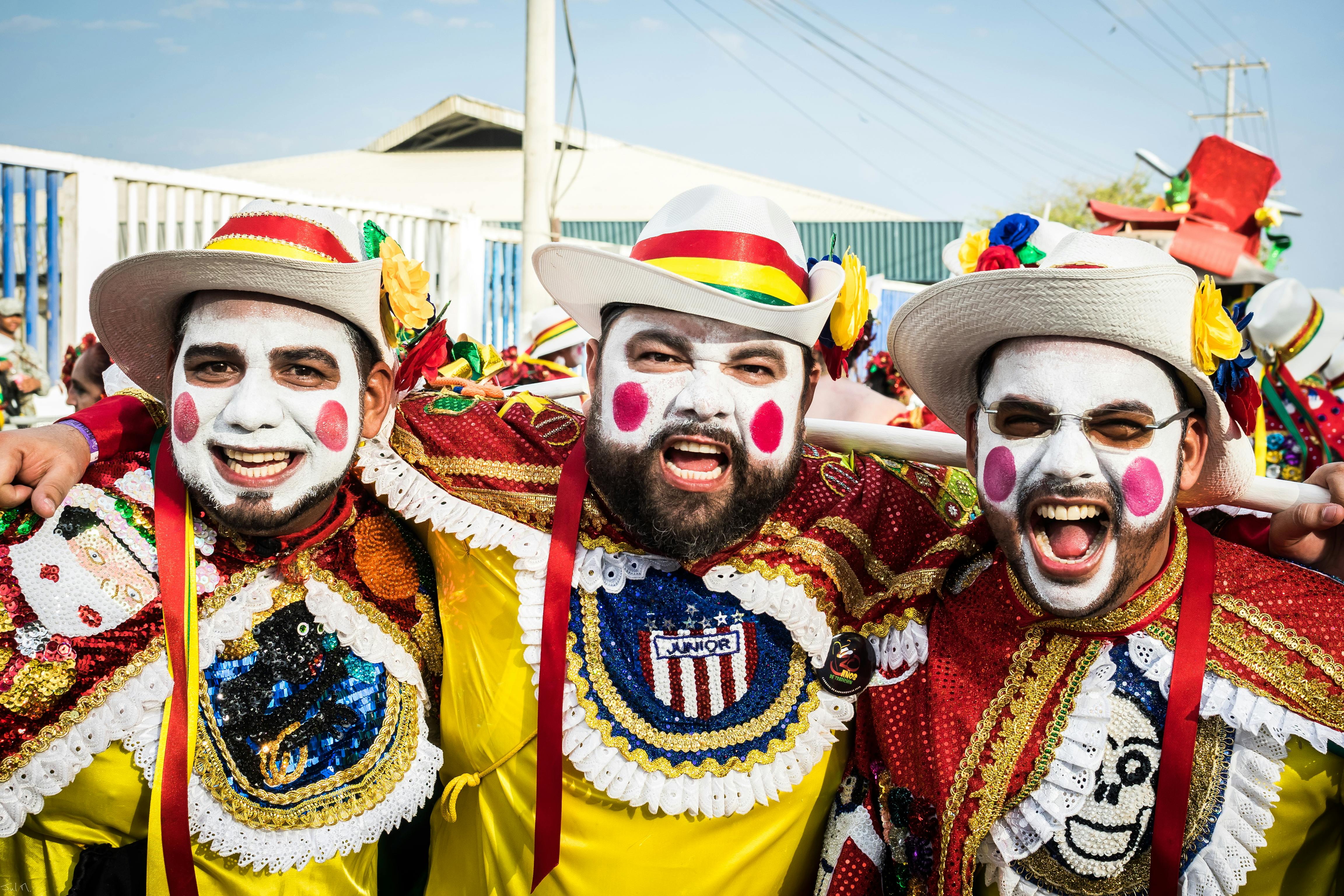

When the Whistle Blows, Colombia Comes Alive
There is something electric about a match day in Colombia. The moment kickoff approaches, streets grow quieter, televisions grow louder, and the scent of food fills every corner of every home. Colombia soccer traditions run deeper than sport — they are a cultural heartbeat, a social ritual, and a collective exhale from the everyday. Whether it is a World Cup qualifier or a local league clash, Colombians treat every match as a reason to gather, celebrate, and feel something together. This is an understanding of how Colombians experience football gatherings that reveals something profound about the country's soul.
The Living Room as Sacred Ground
In Colombia, the living room transforms on match day. Furniture gets rearranged. Extra chairs appear from nowhere. Cousins, neighbors, and friends who may not have spoken in weeks suddenly find themselves shoulder to shoulder, eyes fixed on the screen.

Welcome to United Tribes
Where Colombian Culture Comes Alive
Join Your Tribe
Connect with your people
Discover Events
Watch parties & festivals
Find Colombian Businesses
Restaurants, markets & more
Earn Crown Credits
Get rewarded for engaging
Football gatherings in Colombia are rarely solitary. The idea of watching a match alone is, for most Colombians, a strange and slightly sad concept. The game is meant to be felt communally — cheered, groaned at, and dissected in real time by as many people as possible.
Grandparents sit closest to the screen. Children weave between legs, unsure of the score but absorbing the energy. Parents manage both the game and the snacks simultaneously. This layered, multigenerational viewing experience is one of the most defining features of Colombian match culture.
Food Is Never Optional
No Colombian game night is complete without a spread. Food arrives before the first whistle and continues flowing long after the final one. The kitchen is just as active as the couch, with someone always preparing something new between halves.
Common staples on match day include:
- Empanadas — golden, crispy, and passed around by the dozen
- Chicharrón — fried pork belly served with hot sauce and lime
- Mazorca — roasted or boiled corn, seasoned and shared
- Chorizos — grilled sausages eaten straight from the pan
- Arepas — the beloved cornmeal rounds that anchor nearly every Colombian meal
That last item deserves special mention. Arepas are so central to Colombian food identity that they appear at breakfast, lunch, dinner, and yes — every single game night.
The Noise Is the Point
One of the first things visitors notice about Colombian match-day culture is the volume. Colombians do not watch quietly. Every near-miss earns a collective gasp. Every goal triggers an eruption. Neighbors two floors up know the score without checking their phones because they can hear it.
This expressiveness is bold participation. Colombian viewing culture prizes vocal engagement. Commentating alongside the TV commentator is standard. Offering tactical advice to players who cannot hear you is expected. Celebrating a goal by jumping up, hugging strangers, or stepping briefly into the street is entirely normal.
The sound of a Colombian game night is its own kind of music: rhythmic tension, sudden crescendos, and the warm hum of people who are genuinely happy to be together.
Rivalries, Colors, and Identity
Fierce club loyalties also shape Colombian soccer traditions. Millonarios y Santa Fe, en Bogotá. Nacional y DIM en Medellín. América de Cali y Deportivo Cali en el Valle. These rivalries carry decades of history, family allegiance, and neighborhood pride.
Jerseys are worn with conviction. Colors are displayed on windows, cars, and social media profiles. When a local derby is on, the city cleanly divides into two camps — and the game-night energy doubles accordingly.
For the national team, however, all divisions dissolve. When La Selección Colombia plays, the entire country unites under yellow, blue, and red. Bars overflow. The offices plan around the kickoff. Schools quietly acknowledge that attendance the next morning may be affected by the previous night's result.
Bars, Streets, and Communal Screens
While the home is the primary setting for football gatherings in Colombia, public viewing is equally vibrant. Local bars — called estaderos or grilles — pack beyond capacity for major matches. Tables spill onto sidewalks. Screens are mounted at angles so everyone can see, even from the street.
In smaller towns and barrios, communal televisions are sometimes set up in open plazas. Neighbors drag plastic chairs from their homes. Vendors circulate with cold drinks and snacks. The match becomes a neighborhood event with no formal invitation required — just proximity and passion. The game belongs to everyone. Entry is never exclusive. The only requirement is showing up.
After the Final Whistle
Win or lose, the conversation continues long after the match ends. Postgame analysis begins immediately — at the table, on WhatsApp groups, over another round of drinks. Every decision the coach made is relitigated. Every missed opportunity is mourned. Every great moment is replayed from five different angles on someone's phone.
A victory means the night extends naturally into celebration. A loss means the night extends into commiseration and passionate debate about what went wrong. Either way, nobody leaves immediately. The gathering has its own momentum, separate from the scoreboard.
Colombia's Game Nights Are Worth Celebrating
Colombian viewing culture is one of the most vivid expressions of what makes the country's spirit so enduring. The food, the noise, the family, the loyalty — all of it converges on match day into something that feels less like a sports event and more like a cultural ceremony. Football gatherings in Colombia are built around the people watching it together.
These traditions travel wherever Colombians go. In cities across the United States, Colombian communities recreate these same rituals — the same food, the same passion, the same noise — keeping the culture alive far from home. That continuity matters, and platforms like United Tribes exist to help those communities stay visible and connected.
Visit United Tribes today and find out more about Colombian culture and community — from the businesses keeping traditions alive to the events bringing people together, game night or otherwise.


