
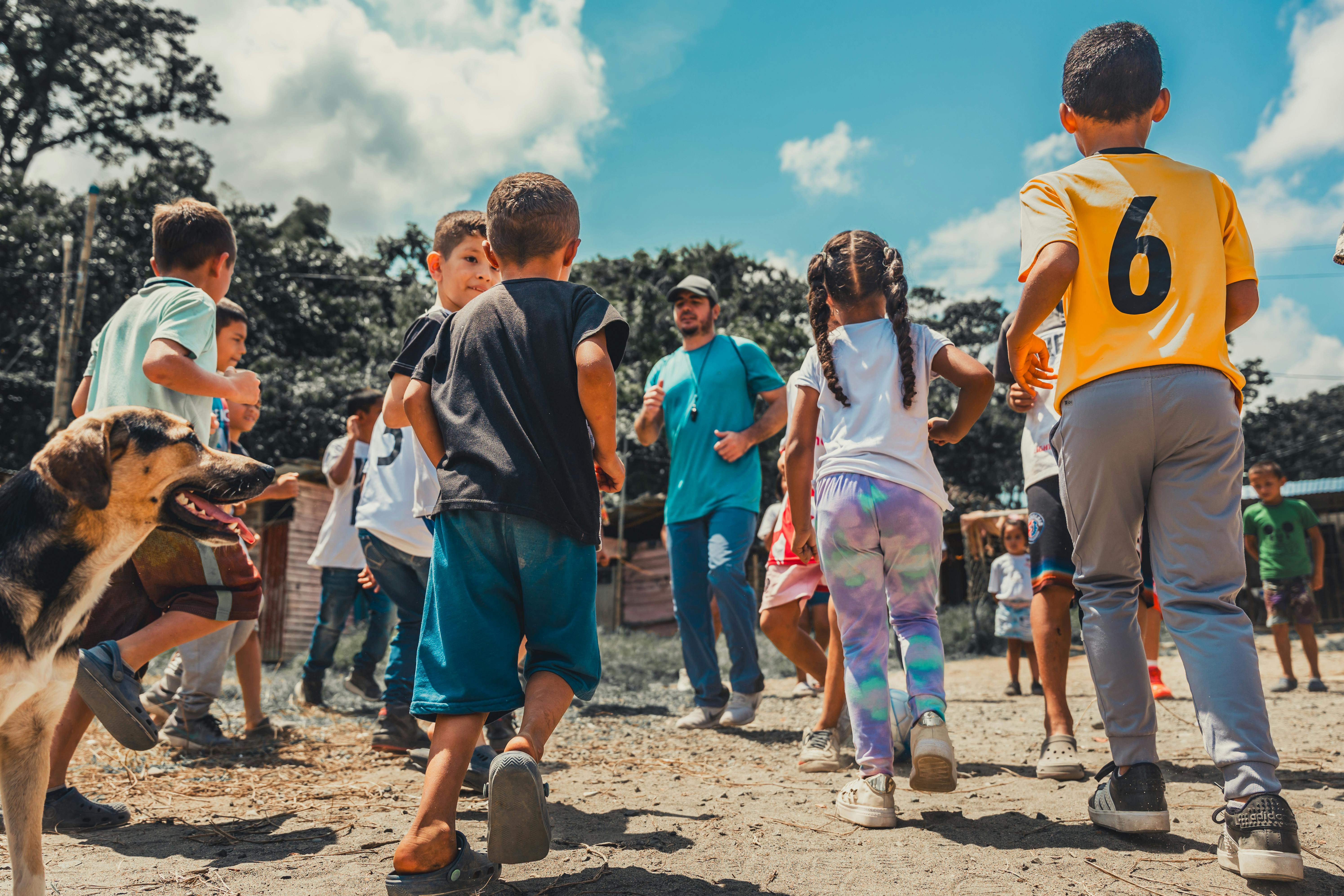


There is something electric about the way Panamanians gather around a game. Whether it is the national team taking the field, a heated local league match, or a Copa América showdown that has everyone picking sides, football gatherings in Panama carry a cultural weight that goes far beyond sports. These are rituals. They are family affairs, neighborhood events, and living expressions of Panamanian identity all rolled into one unforgettable evening.
More Than a Game: The Cultural Heartbeat of Match Day
In Panama, match day is an opportunity for pulling everyone together. Cousins arrive early. Neighbors bring chairs. Somebody's abuela is already in the kitchen hours before kickoff. The atmosphere builds slowly and then all at once, reaching a peak when the whistle blows and the crowd — whether in a stadium or a living room — becomes one single, roaring voice.
Panamanian soccer traditions are deeply tied to community identity. The sport arrived in Panama through Caribbean and Central American influences. It took root across every province, from the urban barrios of Panama City to the coastal towns of Colón and Bocas del Toro. Today, it is the connective tissue of Panamanian social life.
The Living Room Setup: How Panamanians Prepare for Kickoff
The pre-game ritual is its own ceremony. A typical match-day cultural experience in Panama starts well before the first whistle. Here is what a classic Panamanian game night looks like:
1. Cleaning and arranging the space — chairs get rearranged, the television gets repositioned, and someone hangs a flag near the screen.
2. Food preparation begins — ceviche, patacones, and chicharrón start appearing on the table alongside cold bottles of Atlas or Balboa beer.
3. The group chat explodes — family and friends confirm arrival times, debate lineup choices, and share pre-game predictions.
4. The jersey goes on — wearing the red, white, and blue of *Los Canaleros* is practically mandatory for national team matches.
5. Volume check — the television is turned up, and the street outside gets noticeably louder as kickoff approaches.
This sequence happens naturally, passed down without being formally taught. It is simply what you do.
Food as a Form of Devotion
No football gathering in Panama is complete without serious food. Panamanian match-day snacks are a cultural statement in their own right. Patacones — twice-fried green plantains — are the undisputed king of the game night table. They arrive stacked high and are served with everything from guacamole to pulled chicken.
Ceviche de corvina is another staple, kept chilled and refreshed throughout the night. Sancocho, the beloved national soup, sometimes appears at longer gatherings or when the weather calls for something warm and grounding. And for dessert? Raspados and sweet tamales often round things out, especially when younger family members are involved.
Food at these events is never an afterthought. It is an act of love and preparation, a way of saying this night matters and so do the people sharing it.
The Sounds and Superstitions of Panamanian Match Day
Ask any Panamanian fan about their match day superstitions and prepare for a long conversation. Panamanian soccer traditions are layered with personal rituals that fans swear by completely.
Some common superstitions include:
- Wearing the same jersey the team won in last time
- Sitting in the same seat from a previous winning match
- Avoiding certain phrases or comments that might jinx a good start
- Turning off the television briefly if the opposing team scores, to "reset the energy."
- Clapping three times before a penalty kick
Beyond superstition, the sounds of game night are equally iconic. Vuvuzelas, homemade drums, and neighbors shouting from open windows create a communal soundscape that you can feel as much as hear. In densely populated neighborhoods of Panama City, a national team goal produces a wave of noise that travels block by block like a living thing.
When Panama Qualified: A National Memory
The 2018 FIFA World Cup qualification remains one of the defining moments in modern Panamanian sports history. When Los Canaleros secured their first-ever World Cup berth, the country celebrated and transformed as a whole. Streets flooded with people. Cars honked for hours. Strangers embraced. That night became embedded in national memory as a shared experience that transcended typical football gatherings in Panama.
For Panamanians in the diaspora, particularly those living across the United States, that moment carried extra weight. It was a confirmation of identity, pride, and belonging — a reminder that cultural roots never fade regardless of distance.
Game Nights for the Diaspora: Keeping Tradition Alive in the U.S.
For Panamanian communities living in cities like New York, Miami, Houston, and Los Angeles, match-day Panamanian culture has found new homes. Panamanian-owned bars and restaurants become unofficial embassies on game nights. Community groups organize watch parties that double as cultural events, complete with food, music, and merchandise.
These gatherings serve a deeper purpose than watching football. They are spaces where second-generation Panamanians connect with their heritage, where Spanish flows freely, and where the traditions of the homeland are practiced and preserved.
Panama's Game Night Spirit Lives On
Game nights in Panama are a masterclass in community building. From the carefully prepared patacones to the superstitions passed down through generations, Panama soccer traditions reveal a culture that uses sport as a vehicle for connection, pride, and joy. Football gatherings in Panama are meaningful events that carry the full weight of national and community identity.
For Panamanians in the diaspora, these traditions become even more precious. Recreating match-day culture in a new country is an act of cultural preservation and belonging, a way to stay rooted while building something new. Every watch party, every shared plate of ceviche, and every roar after a goal is a thread connecting present lives to Panamanian heritage.
Visit United Tribes today to learn more about Panamanian culture and community — discover businesses, events, and stories that celebrate what makes this culture so vibrant and alive.


