
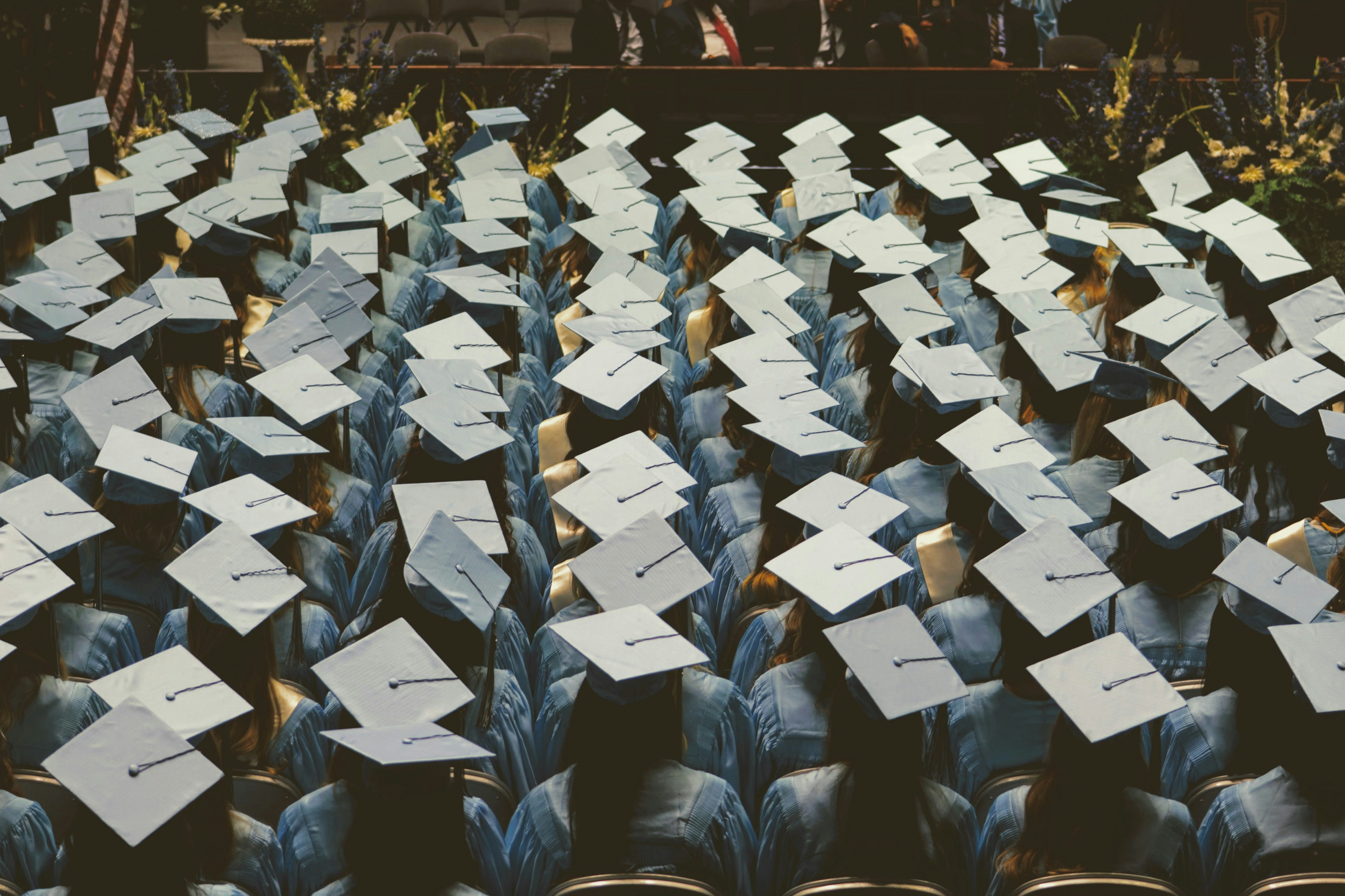

Spring 2026 marks another milestone season for Filipino families across America as graduation ceremonies approach. These traditions transform academic achievements into celebrations that honor not just the graduate but the entire family's journey and sacrifices. From elaborate feast preparations to meaningful gift exchanges, families begin planning months in advance to ensure every detail reflects their cultural values and pride.
Traditional Filipino Graduation Feast Preparations
The heart of any Filipino graduation celebration lies in the pagkaing pampamilya—a family feast that brings everyone together. Families typically begin menu planning as early as February to secure ingredients and coordinate cooking responsibilities among relatives.

Welcome to United Tribes
Where Filipino Culture Comes Alive
Join Your Tribe
Connect with your people
Discover Events
Watch parties & festivals
Find Filipino Businesses
Restaurants, markets & more
Earn Crown Credits
Get rewarded for engaging
Lechon often serves as the centerpiece of graduation celebrations, symbolizing prosperity and abundance for the graduate's future. Many families place orders with Filipino restaurants or specialty shops months ahead, especially during busy spring graduation periods. Beyond lechon, traditional menus often feature pancit for long life and good fortune, lumpia representing unity and togetherness, and adobo, a comforting reminder of home and family bonds.
The preparation process itself becomes a celebration. Aunties, uncles, and cousins gather days before the ceremony to prep ingredients, share cooking duties, and reconnect. This collaborative approach strengthens family bonds while ensuring the graduate feels supported and celebrated.
Rice dishes also play an essential role, with families preparing varieties such as garlic rice, java rice, and desserts like biko. The abundance of rice symbolizes wishes that the graduate will always have enough and never face hardship.
Family Reunion Coordination and Planning
Graduation season often becomes one of the year's most significant family reunion periods. Extended relatives travel from across the country to honor the graduate and participate in the celebration.
The ninong and ninang system plays an important role. Godparents take special responsibility for recognizing their godchildren's achievements, often offering meaningful gifts and guidance for the future. Family group chats become busy hubs of coordination as relatives organize travel plans, accommodations, and celebration details.
Accommodation and Travel Arrangements
Filipino families are known for their hospitality during graduation season. Homes transform into temporary gathering spaces where cousins share rooms, air mattresses fill living areas, and every available space welcomes visiting relatives. These arrangements allow for continuous bonding throughout the celebration weekend.
Some families coordinate group flights or road trips, turning the journey into part of the celebration. Relatives often arrive with pasalubong—gifts and treats from their home regions—adding to the festive atmosphere.
Communication and Coordination
Modern technology helps families manage large gatherings more efficiently. Messaging apps provide real-time updates about arrival times, meal contributions, and schedule changes. Despite these conveniences, traditional values such as galang (respect) still guide decision-making, with elders' preferences often shaping the final plans.
Gift-Giving Traditions and Modern Adaptations
Graduation celebrations often center around meaningful gift-giving traditions that combine practicality with cultural significance. Financial contributions from relatives help graduates transition into the next phase of life, whether entering the workforce or continuing their education.
Common gifts include jewelry with cultural or religious meaning, envelopes of money symbolizing good fortune, and educational materials that support continued learning. Families frequently pool resources to provide meaningful items such as laptops, professional clothing, or contributions toward tuition and career development.
Religious and Cultural Gifts
Some families incorporate spiritual elements into graduation gifts. Santo figurines, religious medals, or blessed rosaries represent prayers for the graduate's protection and guidance. These gifts reflect the belief that success is supported not only by effort but also by faith and family encouragement.
Books also carry symbolic meaning, representing knowledge and lifelong learning. Elder relatives sometimes present works of Filipino literature or history to connect the graduate's achievements with the cultural heritage.
Practical Support Gifts
Beyond symbolic presents, many families prioritize gifts that directly support the graduate's next steps. Financial contributions toward further education, professional training, or relocation expenses are common.
Occasionally, balikbayan boxes arrive from relatives in the Philippines, filled with treats and household goods that connect the graduate to their ancestral homeland.
Academic Achievement Recognition Ceremonies
Graduation ceremonies are approached with great pride and respect. While the official event marks the academic milestone, family celebrations often extend the recognition well beyond the ceremony itself.
Some families organizeThanksgivingg masses or prayer gatherings before or after the ceremony, expressing gratitude for the graduate's success and asking for continued guidance.
Extended Family Participation
The extended family network plays a central role in honoring graduates. Lolo and Lola (grandparents) often attend as honored guests, sharing wisdom and family stories that highlight generational progress.
Titos and titas (uncles and aunts) frequently organize recognition moments during family gatherings, sharing childhood memories and offering advice for the graduate's future. These informal speeches add a deeply personal dimension to the celebration.
Photography and Creating Memories
Filipino families place great importance on documenting milestone events. Professional photographers often capture formal portraits, while relatives take countless candid photos throughout the celebration.
Group photos with different family combinations ensure that every relationship is documented—from grandparents and godparents to cousins and family friends. These images become cherished records of the support network behind the graduate's success.
Modern Celebrations Blending Tradition and Contemporary Elements
Filipino families in the United States often combine traditional customs with modern graduation party trends, creating celebrations that reflect both heritage and contemporary life.
Karaoke remains a highlight of many gatherings, with relatives dedicating songs to the graduate and entertaining guests throughout the evening.
Technology Integration
Technology allows distant relatives to participate in celebrations even if they cannot attend in person. Video calls enable overseas family members to join toasts and send congratulations, while social media updates keep extended networks informed.
Shared digital photo albums allow relatives to access and enjoy memories long after the event ends.
Food Takes Center Stage
Modern graduation feasts frequently blend Filipino dishes with familiar American party foods. Pancit and lumpia may appear alongside pizza, sandwiches, or snack platters. This approach accommodates different preferences while preserving the cultural significance of traditional dishes.
Potluck-style celebrations are also common, with relatives contributing a mix of Filipino specialties and contemporary favorites.
Celebrating Academic Success Filipino Style
Filipino graduation traditions transform academic milestones into celebrations of family unity, sacrifice, and shared achievement. Through festive meals, extended family gatherings, and meaningful gifts, these events highlight values such as respect for education and collective pride in success.
By blending heritage with modern practices, Filipino families create celebrations that honor both their cultural roots and their American experiences. As graduation season approaches in 2026, families continue this tradition of celebrating achievement as a shared victory—one that reflects the hopes, dedication, and support of the entire family.
Visit United Tribes today and learn more about Filipino culture and community celebrations that bring families together during life’s most important milestones.


