

Key Takeaways
- Guaguas de pan are human-shaped sweet breads. The Quechua word "guagua" means "child," and these breads are shaped to resemble baby or doll figures for Día de los Difuntos on November 2.
- The tradition has pre-Columbian roots over 5,000 years old. Inca rituals honoring the dead during "Aya Marcay Quilla" evolved after Spanish colonization introduced wheat and sugar, giving rise to the guaguas de pan known today.

Welcome to United Tribes
Where Ecuadorian Culture Comes Alive
Join Your Tribe
Connect with your people
Discover Events
Watch parties & festivals
Find Ecuadorian Businesses
Restaurants, markets & more
Earn Crown Credits
Get rewarded for engaging
- Colada morada is the essential companion drink. This thick, purple-hued beverage made from purple corn, Andean fruits, and aromatic spices is symbolically paired with guaguas de pan to represent life and spiritual unity.
- Families prepare these foods together throughout October. Intergenerational participation — children decorating breads, adults guiding the colada — makes the tradition a living vehicle for cultural transmission.
- Ecuadorian diaspora communities abroad continue the tradition. Families outside Ecuador adapt local ingredients while preserving the symbolic forms and rituals that connect them to their heritage each early November.
As October deepens and November draws near, Ecuadorian households begin filling with the warm scent of sweet dough and spiced fruit. This is the season of guaguas de pan and colada morada — foods that carry centuries of memory, spiritual meaning, and family love into a single annual celebration.
What are guaguas de pan and why do Ecuadorians make them?
Guaguas de pan are human-shaped sweet breads Ecuadorians traditionally make and eat for Día de los Difuntos on November 2. The word "guagua" comes from Quechua and means "child" or "baby," and these breads are shaped to resemble small human figures — dolls, infants, or mortuary forms — decorated with colorful glazes and sometimes filled with sweet or savory ingredients.
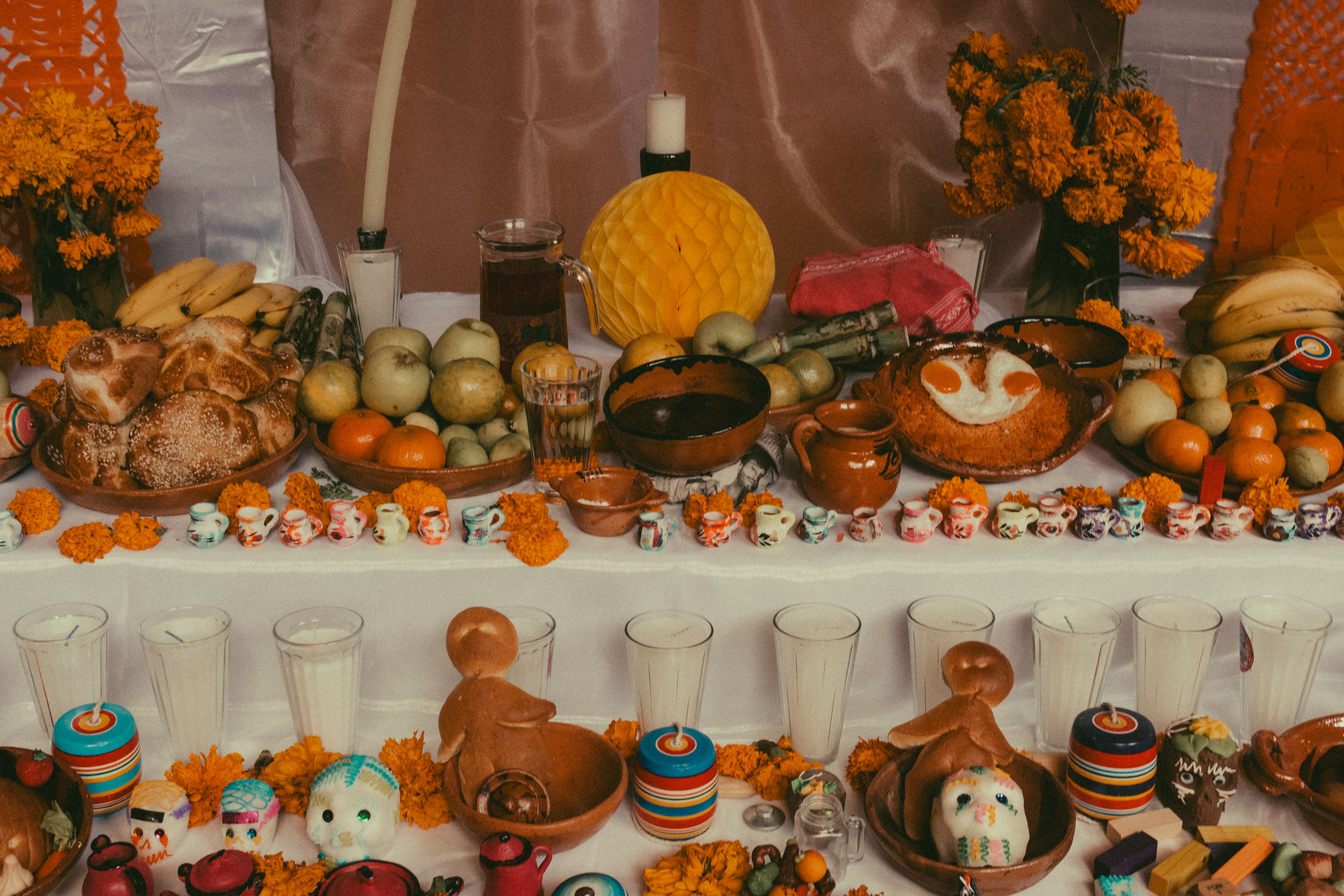
The breads carry profound symbolic weight. Historically, their human shape evoked the pre-Hispanic practice of honoring deceased leaders, and the figures placed at gravesides or family altars were meant to embody the presence of those who had passed. Spanish colonization reshaped the tradition: wheat and sugar replaced earlier zapallo-based offerings, but the spiritual intention remained intact. Today, guaguas de pan stand as one of Ecuador's most recognizable expressions of Ecuadorian cultural heritage, blending indigenous reverence with colonial-era ingredients into something entirely its own.
How old is this tradition and where does it come from?
The roots of Ecuador's Día de los Difuntos food traditions stretch back more than 5,000 years to pre-Columbian Andean culture. The Inca observed a ritual period called "Aya Marcay Quilla," a month dedicated to carrying and honoring the dead, tied closely to harvest cycles and the belief that the deceased returned to share in communal life.
When Spanish missionaries arrived, they overlaid Catholic observances — All Saints' Day and All Souls' Day — onto these existing indigenous practices. Rather than erasing the tradition, this encounter transformed it. Wheat flour and refined sugar entered the recipe, and the ancient offerings evolved into the guaguas de pan that Ecuadorian families bake today. The result is a living example of syncretism: a tradition that belongs equally to indigenous Andean spirituality and the colonial history that reshaped it.
What goes inside guaguas de pan and how are they decorated?
Guaguas de pan can be filled or plain, and fillings vary by family and region. Common options include:
- Mermelada (fruit jam)
- Dulce de guayaba (guava paste)
- Dulce de leche
- Fresh cheese
Once shaped, the breads are decorated with colorful glazes, icing, and dough details that define the figure's face, clothing, and form. Some guaguas are modeled to resemble specific people; others take on animal shapes or abstract doll-like forms. The decoration process is often where children get most involved — pressing in features, painting on colors, and adding personality to each figure. This hands-on participation is one reason the tradition has survived across generations: it turns Ecuadorian traditions into something children experience directly rather than observe.
What is colada morada and why is it paired with the bread?
Colada morada is a thick, deeply spiced purple drink that is inseparable from the guaguas de pan tradition. Made primarily from purple corn flour — harina de maíz morado — it is cooked with a wide range of Andean fruits and aromatic spices that can total 20 to 25 ingredients depending on the family recipe.
|
Core Ingredient |
Role in Colada Morada |
|
Purple corn flour |
Base and color |
|
Mortiño (Andean berry) |
Tartness and depth |
|
Naranjilla |
Citrus brightness |
|
Babaco or piña |
Sweetness and texture |
|
Cinnamon, cloves, ishpingo |
Warm spice backbone |
|
Hierba luisa or cedrón |
Herbal aroma |
The pairing of colada morada with guaguas de pan is not simply culinary — it is deeply symbolic. The colada is said to represent the blood or life force of the deceased, while the guagua represents their body or physical presence. Together, they enact a form of spiritual communion, inviting those who have passed to share in the meal with the living. As Ecuador's Day of the Dead food, this pairing is at the heart of the November 2 observance.
Where and how do families celebrate this tradition across Ecuador?
The tradition looks different depending on whether you are in a rural village or a major city, but both settings take it seriously. In indigenous communities across provinces like Tungurahua and Azuay, people bring guaguas de pan to cemeteries as ofrendas—offerings placed at gravesites as part of ancestral rituals. Community members exchange breads and drinks in acts of reciprocity that reinforce social bonds alongside spiritual ones.
In cities like Quito, Cuenca, and Guayaquil, October brings artisanal markets and bakeries into the spotlight through what locals call the "ruta de la colada morada y guaguas de pan" — informal routes through neighborhoods where vendors sell both items as part of a wider gastronomic experience. These urban expressions have also become moments of cultural tourism, drawing visitors who want to taste and understand Ecuadorian cultural heritage firsthand.
Across both settings, the preparation typically begins in October, with families gathering to shape and bake batches of guaguas and simmer large pots of colada over several hours. The process itself is as meaningful as the product.
How do Ecuadorian communities abroad keep this tradition alive?
Ecuadorian families living outside Ecuador keep the guaguas de pan tradition alive by adapting available ingredients without abandoning its essential forms and meanings. Purple corn flour may need to be sourced from Latin grocery stores or ordered online; some fruits like mortiño may be substituted with local blueberries or blackberries. But the human-shaped breads are still shaped by hand, the colada is still spiced and slow-cooked, and the table still holds both on the first days of November.
For many in the Ecuadorian diaspora, these foods are among the most direct connections to home. Preparing guaguas de pan with children who were born or raised in the United States is one of the clearest ways parents transmit not just a recipe but an entire worldview — one where food, family, and the memory of ancestors belong together.
Why do guaguas de pan matter beyond the holiday itself?
Guaguas de pan and colada morada are far more than seasonal foods. They trace a timeline of Ecuadorian identity from pre-Columbian Andean ritual through Spanish colonial transformation to the kitchen tables of diaspora families in cities across the United States. Each shaped figure and each steaming cup of purple colada is an act of cultural continuity — proof that a tradition can survive migration, adaptation, and the passage of centuries when families choose to keep it alive.
For Ecuadorian communities in the U.S., the weeks leading up to November 2 offer a meaningful opportunity to gather, cook, and remember. Whether you grew up making guaguas alongside a grandmother in Cuenca or are learning the tradition for the first time as an adult, the practice is open and regenerative — it grows richer every time it is passed on.
Head to the United Tribes Ecuadorian community page to discover businesses, bakers, and cultural gatherings that can help you celebrate Día de los Difuntos with authentic flavor and shared purpose.
Frequently Asked Questions
Can guaguas de pan be made at home without professional baking experience?
Yes, guaguas de pan are traditionally home-baked and don't require professional skills. The dough is a sweet bread base shaped by hand, and decoration with colored icing or glaze is accessible to bakers of any level, including children participating in the family process.
Is Día de los Difuntos the same as Mexico's Día de los Muertos?
Día de los Difuntos and Día de los Muertos share Catholic and pre-Columbian roots but are distinct traditions shaped by different indigenous cultures. Ecuador's observance centers on guaguas de pan and colada morada, cemetery ofrendas, and Andean spiritual practices, while Mexico's celebration features ofrendas with marigolds, sugar skulls, and pan de muerto.
What is mortiño, and can it be substituted in colada morada?
Mortiño is a small, tart Andean berry native to Ecuador's highland region that adds color and acidity to colada morada. Outside Ecuador, it can be hard to find, and many diaspora families substitute blueberries, blackberries, or a combination of both to approximate its flavor and the drink's characteristic purple hue.
Are guaguas de pan only eaten on November 2, or throughout the season?
Guaguas de pan are most closely associated with November 2, Día de los Difuntos, but families and bakeries typically begin preparing and selling them throughout October. In cities like Quito and Cuenca, artisanal markets offer them for several weeks, making them a broader symbol of the autumn season rather than a single-day food.
Do all regions of Ecuador make guaguas de pan the same way?
Regional variations exist in both shape and filling. In rural and indigenous communities, guaguas may be more closely tied to cemetery offerings and traditional forms, while urban bakeries experiment with more elaborate decorations and fillings. Provinces like Tungurahua and Azuay maintain particularly strong ancestral practices around the breads.
How can Ecuadorian families in the U.S. find the right ingredients for colada morada?
Many key ingredients for colada morada, including purple corn flour, naranjilla, and tropical fruits, are available at Latin American grocery stores or can be ordered through specialty online retailers. Herbs like hierba luisa and cedrón may also be available at herbal or international food markets, and some ingredients can be reasonably substituted with locally available alternatives.
Make United Tribes Your Preferred Source
Add United Tribes on Google to get the latest stories, cultural updates, and community events directly in your Google Search and Top Stories.