
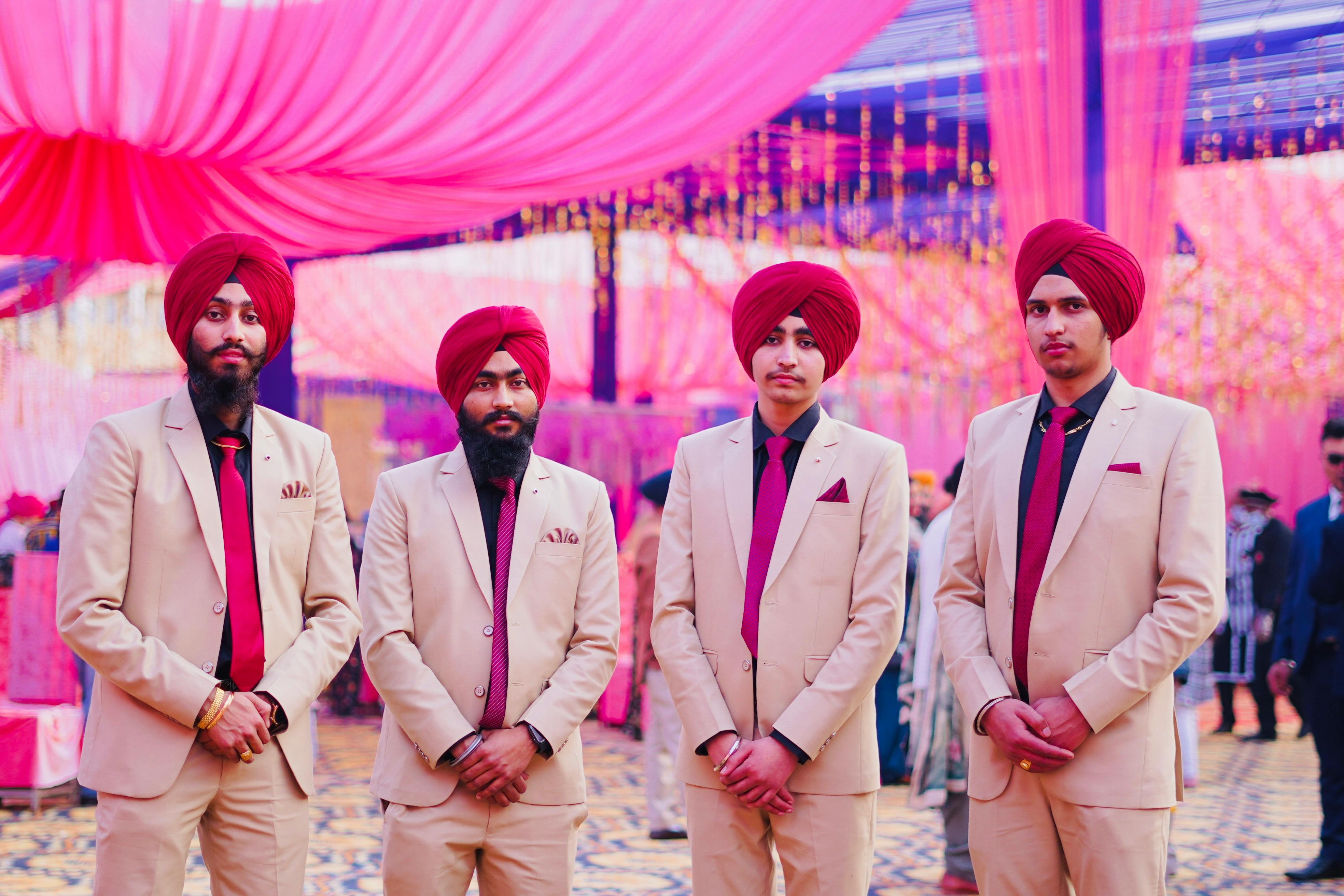


Every November, Sikh communities across America unite in joyous celebration of Guru Nanak Gurpurab, honoring the birth of the first Sikh Guru and founder of the faith. This sacred observance transforms neighborhoods from coast to coast as Gurpurab celebrations bring together thousands of devotees and curious onlookers alike. The melodious sounds of kirtan fill the air while the aroma of langar wafts through gurdwara halls and beyond. For those seeking to understand or participate in these profound spiritual gatherings, Guru Nanak Gurpurab celebrations offer countless opportunities to witness and engage with one of Sikhism's most cherished traditions.
The Sacred Tradition of Nagar Kirtan Processions
Sikh Nagar kirtan processions represent the heartbeat of Gurpurab celebrations, transforming ordinary American streets into rivers of devotion and community spirit. These colorful processions, led by the Guru Granth Sahib (the Sikh holy book), are carried in decorated vehicles and wind through neighborhoods. At the same time, participants sing hymns and share the Guru's teachings with all who come into contact with them.
Planning and Preparation for Community Processions
Months before November arrives, gurdwara committees across the United States begin coordinating their nagar kirtan routes with local authorities. Cities like Fremont, California, and Richmond Hill, New York, have become renowned for their elaborate processions that can span several miles and attract thousands of participants. The preparation involves securing permits, coordinating with the police for traffic management, and organizing volunteers to distribute free food and water along the route.
Community members spend weeks preparing decorative floats, practicing kirtan performances, and organizing the logistics that make these massive undertakings possible. The Guru Nanak Gurpurab processions often feature traditional Punjabi music, colorful banners explaining Sikh principles, and displays showcasing the community's commitment to service and equality.
The Spiritual Journey Through American Neighborhoods
As the procession moves through diverse American communities, it serves as a living example of Guru Nanak's teachings about universal brotherhood and service to humanity. Participants walk barefoot or in simple shoes, demonstrating humility as they share langar seva with anyone who approaches. The sight of turbaned Sikhs, families in traditional dress, and curious neighbors walking side by side embodies the inclusive spirit that Guru Nanak championed over 500 years ago.
The processions often pause at significant community landmarks, such as hospitals or senior centers, where participants offer prayers for the welfare of all residents. This practice reflects the Sikh principle of Sarbat da Bhala, which is working for the prosperity and happiness of all humanity.
Langar Seva: Feeding Hearts and Souls
The tradition of langar seva during Gurpurab celebrations exemplifies one of Sikhism's most revolutionary concepts: the equality of all people regardless of background, religion, or social status. American gurdwaras preparing for these celebrations are already organizing massive community kitchens that will serve thousands of free meals throughout the Gurpurab period.
Community Kitchen Operations and Volunteer Coordination
Gurdwaras across America operate like well-oiled machines during Gurpurab, with volunteer teams managing everything from food procurement to serving and cleanup. The langar seva typically includes traditional Punjabi dishes like dal (lentils), sabzi (vegetables), roti (bread), rice, and sweet desserts. Many gurdwaras also accommodate local tastes and dietary restrictions, ensuring that everyone can participate in this sacred meal.
Volunteer opportunities abound during these celebrations, welcoming people from all backgrounds to participate in food preparation, serving, and cleanup. The experience of working alongside seasoned volunteers offers newcomers insight into Sikh values while contributing to a tradition that feeds both body and spirit.
Beyond the Gurdwara Walls
Many Sikh communities extend their langar seva beyond gurdwara premises during Gurpurab, setting up food stations in parks, community centers, and even distributing meals to homeless shelters. This outreach demonstrates how American Sikh communities adapt traditional practices to address contemporary social needs while maintaining the core principle of selfless service.
The logistics of serving thousands require careful planning, with volunteer coordinators organizing shifts, managing food safety protocols, and ensuring a continuous flow of meals throughout the celebration period. Understanding these cultural traditions helps visitors appreciate the deep spiritual significance behind these seemingly simple acts of service.
Kirtan and Musical Celebrations
The musical traditions surrounding Guru Nanak Gurpurab create an atmosphere of spiritual elevation that resonates far beyond the walls of the gurdwara. Kirtan, devotional singing of Sikh hymns, forms the cornerstone of these celebrations, with ragis (musicians) performing compositions by Guru Nanak and other Sikh Gurus throughout the day and night.
Traditional and Contemporary Musical Expressions
American gurdwaras often blend traditional kirtan with contemporary musical elements, creating performances that speak to both first-generation immigrants and American-born Sikhs. The harmonium, tabla, and other traditional instruments create a musical foundation while younger musicians sometimes incorporate guitars, keyboards, and modern sound systems to reach broader audiences.
Special kirtan programs during Gurpurab feature renowned performers who travel between gurdwaras, sharing their musical gifts with communities across the country. These programs often extend late into the night, with participants taking turns leading hymns and sharing in the collective spiritual experience.
Community Participation and Learning Opportunities
The inclusive nature of kirtan allows community members of all skill levels to participate, whether through singing along, playing instruments, or simply listening in meditative silence. Many gurdwaras offer kirtan classes throughout the year, preparing community members to contribute meaningfully to Gurpurab celebrations.
Indian musical traditions have found new expression in American settings, where Sikh youth often blend their heritage with contemporary influences while maintaining the spiritual essence of traditional kirtan.
Volunteer Opportunities and Community Engagement
Gurpurab celebrations provide numerous pathways for community involvement, welcoming both Sikh and non-Sikh volunteers who wish to contribute to these meaningful observances. The volunteer opportunities span weeks before and after the actual celebration dates, offering flexibility for people with varying schedules and commitment levels.
Pre-Celebration Preparation Activities
Volunteer opportunities begin weeks before Gurpurab with decoration preparation, where community members create beautiful displays, banners, and educational materials. These activities often take place in gurdwara halls and community members' homes, fostering relationships while working toward common goals. Tasks include preparing flower garlands, cleaning and decorating gurdwara facilities, and organizing materials for distribution during processions.
Food preparation represents another major volunteer opportunity, with large teams working to chop vegetables, prepare spices, and organize ingredients for the massive langar seva operations. These preparation sessions often become community gatherings in their own right, with volunteers sharing stories and strengthening bonds while contributing to the celebration.
During Celebration Volunteer Roles
The celebration period offers the most diverse volunteer opportunities, ranging from helping coordinate Sikh Nagar Kirtan processions to managing crowd control and safety during large gatherings. Volunteers assist with sound system operation, distribute informational materials about Sikhism to curious onlookers, and help maintain the orderly flow of langar service.
Language skills prove particularly valuable, with bilingual volunteers helping translate for visitors unfamiliar with Punjabi or English, ensuring that everyone can fully participate in and understand the significance of the celebrations. These interactions often lead to meaningful cultural exchanges and lasting friendships between community members and visitors.
Regional Celebrations Across America
Different regions of the United States have developed their own unique traditions for celebrating Guru Nanak Gurpurab, reflecting both local conditions and the specific character of regional Sikh communities. From the large-scale processions of California's Central Valley to the intimate gatherings of smaller Midwestern communities, each celebration contributes to the rich tapestry of American Sikh observance.
West Coast Celebrations
California's Sikh communities, particularly in the Central Valley and Bay Area, organize some of the most elaborate Gurpurab celebrations in America. The nagar kirtan processions in cities like Yuba City and Fremont regularly attract tens of thousands of participants and spectators. These celebrations often span multiple days, with continuous kirtan programs, extensive langar operations, and educational exhibits that introduce Sikhism to diverse audiences.
The agricultural communities of California's Central Valley bring their own character to celebrations, with many participants arriving directly from farmwork to join in processions and seva activities. This connection to the land and agricultural labor resonates with Guru Nanak's own agricultural background and his teachings on the importance of honest work and sharing with others.
East Coast and Beyond
East Coast gurdwaras, particularly in New York, New Jersey, and the Washington D.C. area, adapt their celebrations to urban environments while maintaining traditional elements. Traditional cultural celebrations in dense metropolitan areas require different logistics but create unique opportunities for interfaith dialogue and community building.
Smaller Sikh communities in states like Texas, Illinois, and Michigan demonstrate remarkable creativity in organizing meaningful celebrations despite limited resources. These communities often collaborate with neighboring gurdwaras, sharing responsibilities and resources to create memorable Gurpurab observances that strengthen regional networks.
Embracing Sacred Community Through Service
Guru Nanak Gurpurab celebrations across America demonstrate how ancient spiritual traditions adapt and flourish in contemporary settings while maintaining their essential character. The Sikh nagar kirtan processions, extensive langar seva operations, and continuous kirtan programs create spaces where diverse communities can encounter profound spiritual values lived out through practical service. These celebrations will once again showcase the Sikh community's commitment to sharing their heritage while serving the broader American community.
Visit United Tribes today and find out more about Indian culture and community celebrations happening in your area throughout the year.


