
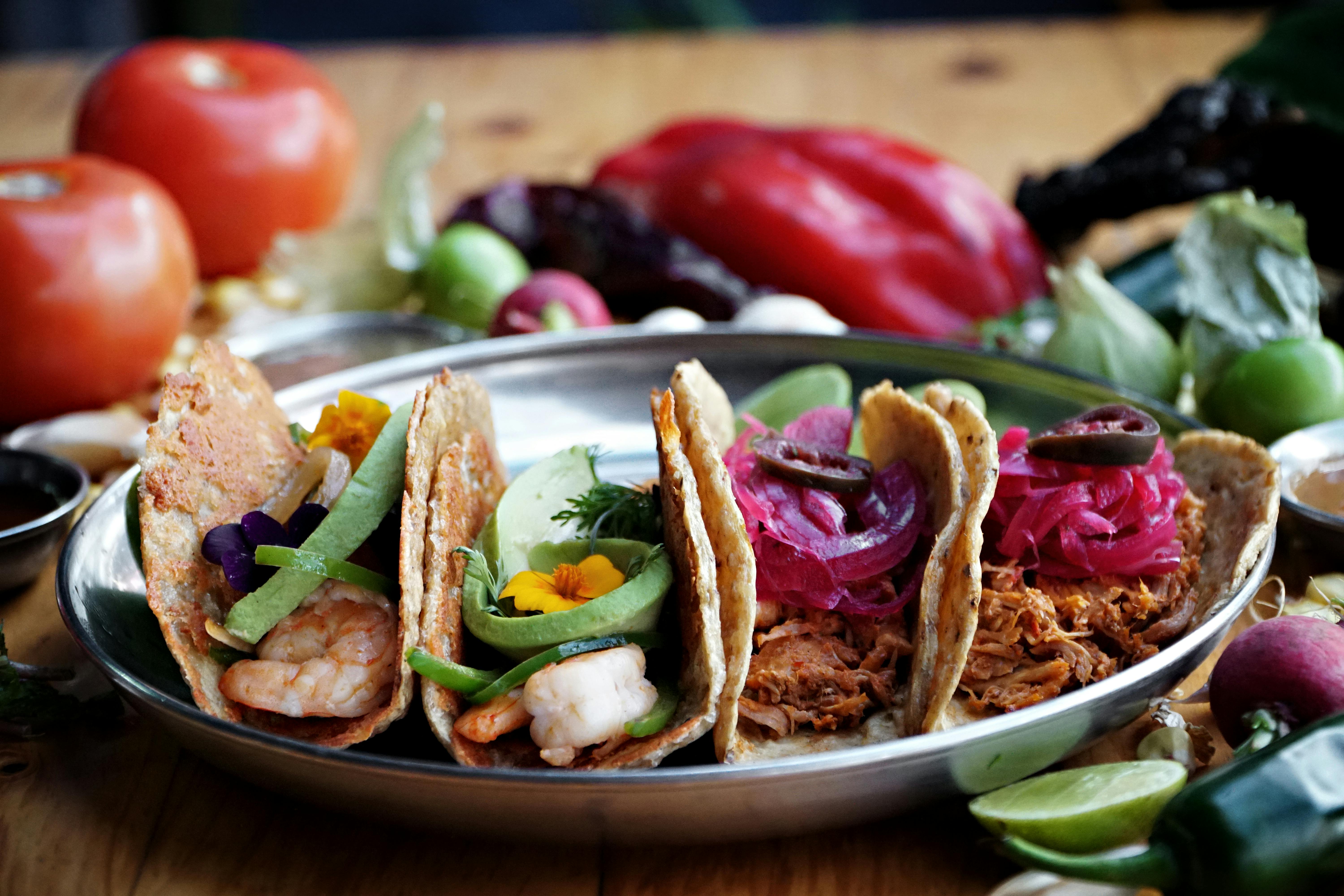

The American culinary landscape has become a vibrant tapestry where diverse cultural traditions intersect, creating extraordinary fusion experiences that tell the stories of immigrant communities. In kitchens across the United States, multicultural fusion cuisine has evolved into something remarkable, where Hispanic, Filipino, Indian, and Persian flavors dance together in harmonious combinations that honor tradition while embracing innovation.

Welcome to United Tribes
Where Diverse Cultures Come Alive
Join Your Tribe
Connect with your people
Discover Events
Watch parties & festivals
Find Tribe Businesses
Restaurants, markets & more
Earn Crown Credits
Get rewarded for engaging
The Foundation of Cross-Cultural Culinary Innovation
The emergence of Asian and Hispanic food fusion represents more than culinary experimentation; it reflects the lived experiences of diverse immigrant communities who share neighborhoods, markets, and dreams. These communities have discovered that their culinary traditions often complement each other in unexpected ways, creating opportunities for cultural exchange through the most intimate of mediums—food.
Hispanic and Asian cuisines share fundamental cooking techniques that make fusion natural and authentic. Both traditions emphasize the importance of fresh ingredients, bold seasonings, and cooking methods that enhance rather than mask natural flavors. The use of aromatic herbs, complex spice blends, and slow-cooking techniques creates a foundation where flavors can merge seamlessly.
Spice compatibility forms the cornerstone of successful fusion. Many Hispanic, Indian, Persian, and Filipino dishes share overlapping spice profiles, including cumin, coriander, garlic, ginger, and various chili peppers. This shared vocabulary of flavors allows for creative combinations that feel both familiar and exciting to diverse palates.
Shared Culinary Techniques Across Cultures
Rice as Cultural Common Ground
Rice serves as the ultimate unifying ingredient across these diverse culinary traditions. Hispanic arroz dishes, Filipino sinangag, Indian biryani, and Persian polo all demonstrate the versatility of rice as both a canvas and a centerpiece. Modern fusion kitchens are creating innovative rice dishes that incorporate elements from multiple traditions—imagine a Persian-inspired saffron rice studded with Filipino longganisa and finished with Mexican salsa verde.
Marinades and Flavor Building
The art of marination represents another shared technique that enables successful fusion. Hispanic adobo marinades share philosophical similarities with Filipino adobo preparations. In contrast, Indian tandoori marinades and Persian kabab preparations demonstrate how acidic components, aromatic spices, and time can transform proteins into extraordinary dishes.
Contemporary fusion chefs are experimenting with cross-cultural marinades, such as combining Persian zereshk (barberries) with Filipino calamansi, or incorporating Indian garam masala into traditional Hispanic carnitas preparations. These innovations respect the integrity of each tradition while creating something entirely new.
The Spice Route Reimagined in American Kitchens
The historical spice routes that connected Asia, the Middle East, and eventually the Americas have found new expression in American fusion kitchens. Understanding essential spices from different cultures provides insight into how these aromatic foundations support successful fusion experiments.
Cumin appears prominently in Hispanic, Indian, and Persian cuisines, making it an ideal bridge spice for fusion dishes. Meanwhile, turmeric from Indian and Persian traditions can beautifully complement the earthy tones of Mexican achiote, creating vibrant, healthful dishes that appeal to contemporary American palates.
Chili pepper varieties offer another avenue for exploration. The heat profiles and flavor nuances of Mexican chipotles, Filipino siling labuyo, Indian kashmiri peppers, and Persian golpar create opportunities for layered heat that builds complexity rather than overwhelming the palate.
Creating Harmony Through Contrast
Successful fusion cooking relies on understanding how to balance contrasting elements. The cooling effect of Persian yogurt-based sauces can temper the heat of Filipino bicol express. At the same time, the acidity of Hispanic lime preparations can brighten the rich, complex flavors of Indian curry bases.
Street Food Revolution and Cultural Exchange
The American street food scene has become a laboratory for multicultural fusion cuisine experimentation. Food trucks and casual dining establishments are leading the charge in creating accessible fusion dishes that introduce mainstream audiences to complex flavor combinations.
Taco fusion has emerged as particularly popular, with entrepreneurs creating Korean-Mexican, Indian-Mexican, and Filipino-Mexican combinations that honor both traditions while creating something uniquely American. Similarly, exploring popular Indian street food reveals techniques and flavor profiles that translate beautifully to fusion applications.
Innovation Through Necessity
Many fusion innovations emerge from practical considerations—immigrant families adapting traditional recipes to available ingredients, restaurant owners catering to diverse customer bases, and home cooks creating meals that satisfy multiple cultural palates within the same household.
This practical fusion often produces the most authentic and satisfying results because it stems from genuine need rather than culinary novelty. A Persian-American family might incorporate Mexican crema into traditional tahdig preparation, or a Filipino restaurant in a predominantly Hispanic neighborhood might offer lumpia filled with carnitas and salsa.
The Role of Immigrant Innovation
Adaptation and Preservation
Immigrant communities face the dual challenge of preserving cultural food traditions while adapting to new environments, ingredients, and tastes. This process naturally leads to innovation as families and chefs find creative solutions that honor their heritage while embracing their new home.
Understanding the influence of Latino cuisine in the US provides context for how established immigrant food traditions pave the way for newer communities to introduce their own flavors while building on the existing acceptance of bold, complex tastes.
Community Building Through Food
Fusion cuisine often emerges from community interactions—Filipino families sharing lumpia at Hispanic quinceañeras, Indian families contributing samosas to community potlucks, or Persian families introducing neighbors to fesenjan. These exchanges create organic opportunities for flavor combination and cultural appreciation.
Regional Variations and Local Influences
West Coast Innovation
California's diverse population and access to fresh ingredients have made it a hotbed for fusion cuisine. The state's agricultural abundance allows chefs to source authentic ingredients while experimenting with local produce that enhances traditional preparations.
Los Angeles, in particular, has seen the emergence of restaurants specializing in cross-cultural fusion, from Persian-Mexican establishments in Tehrangeles to Filipino-Hispanic combinations that reflect the city's demographic reality.
East Coast Adaptations
East Coast fusion tends to incorporate more comfort-food elements, adapting traditional preparations to colder climates and varying ingredient availability. New York's diverse boroughs have produced unique fusion combinations, such as Indian-influenced Hispanic empanadas or Persian-spiced Filipino adobo.
Southern Influences
The American South's own complex culinary heritage creates interesting opportunities for fusion. Persian rice preparations enhanced with Southern pecans, or Hispanic mole techniques applied to Indian curry bases, demonstrate how regional American influences can further enhance multicultural fusion.
Modern Techniques and Traditional Wisdom
Contemporary American kitchens benefit from both traditional cooking wisdom and modern culinary techniques. Sous vide preparation can perfect the texture of Persian kababs while preserving the delicate spice balance. At the same time, traditional Hispanic molcajete grinding techniques can enhance the aromatic qualities of Indian masala preparations.
The key to successful fusion lies in understanding which elements to preserve and which to adapt. Exploring regional Filipino dishes reveals the depth and complexity of traditional cuisines, inspiring thoughtful fusion applications.
Fermentation techniques from various cultures offer particularly rich opportunities for fusion. Korean kimchi fermentation methods applied to Hispanic vegetables, or Indian pickle techniques used with Filipino ingredients, create unique flavor profiles that reflect multiple cultural influences.
Building Bridges Through Flavor
The fusion of Hispanic and Asian cuisines in American kitchens represents the beautiful complexity of the American immigrant experience. These innovative flavor combinations tell stories of adaptation, community building, and cultural preservation that resonate far beyond the dining table. As Filipino, Indian, Persian, and Hispanic communities continue to share neighborhoods, schools, and experiences, their culinary traditions naturally evolve to reflect these intersections while maintaining their distinct identities.
Visit United Tribes today to learn more about Hispanic, Filipino, Indian, and Persian culture and community connections in your area.
Make United Tribes Your Preferred Source
Add United Tribes on Google to get the latest stories, cultural updates, and community events directly in your Google Search and Top Stories.


