
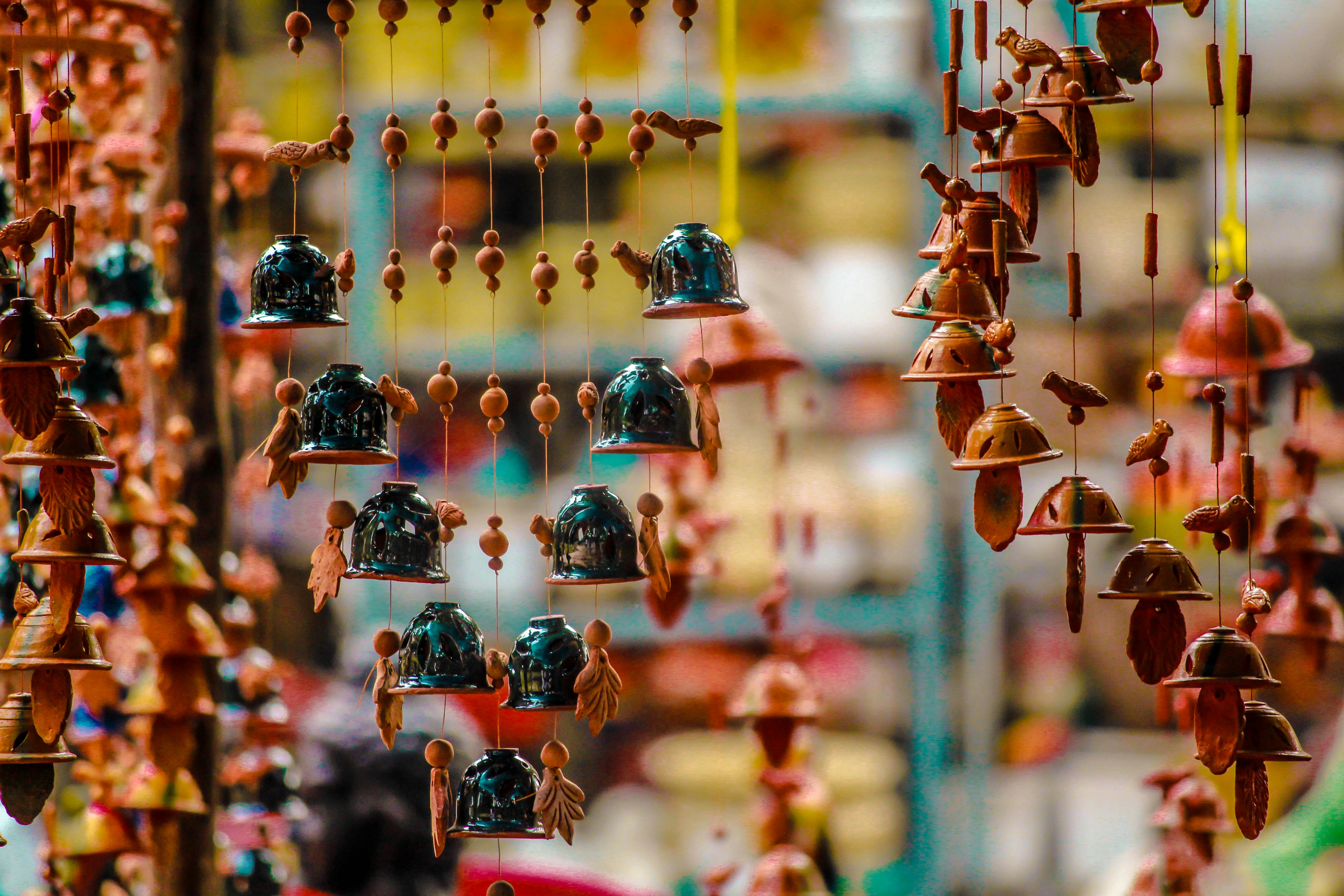


The holiday season brings a special magic to Hispanic communities across the United States, transforming local neighborhoods into vibrant marketplaces filled with the warmth of tradition and artisanal craftsmanship. Hispanic holiday markets have become essential destinations for those seeking authentic, culturally rich gifts that tell stories of heritage and community pride. From the bustling mercados of Los Angeles to the intimate ferias of Miami, these seasonal gatherings offer a glimpse into the diverse tapestry of Latino culture and the entrepreneurial spirit that defines these communities.
The Rich Heritage Behind Hispanic Holiday Markets
Latino crafts represent centuries of artistic tradition, with each piece carrying the cultural DNA of its creator's homeland. These holiday markets serve as living museums where visitors can witness the continuation of ancestral techniques passed down through generations. Mexican artisans showcase intricate talavera pottery and hand-carved wooden figurines, while Colombian vendors display vibrant textiles woven with patterns that originated in pre-Columbian civilizations.
The significance of these markets extends beyond commerce. They represent spaces where Hispanic heritage traditions come alive, allowing families to maintain connections to their roots while sharing their culture with broader American communities. Many vendors are first or second-generation immigrants who use these platforms to establish their businesses and contribute to the local economy.
Traditional crafts featured in these markets often include:
- Hand-painted nativity scenes (nacimientos) from various Latin American countries
- Intricate papel picado banners in festive holiday colors
- Handwoven rebozos and textiles from indigenous communities
- Ceramic and pottery pieces featuring traditional glazing techniques
- Religious artwork and santos carved from wood or molded in clay
November Market Celebrations Across Major Cities
November marks the beginning of the Hispanic Christmas fairs season, with cities across the United States hosting their inaugural holiday markets. Los Angeles kicks off the season with the Grand Central Market's Día de los Muertos celebration, which seamlessly transitions into Christmas preparations. Vendors begin showcasing holiday-specific items alongside their regular offerings, creating a unique blend of seasonal and traditional merchandise.
In New York City, the Corona Plaza Market in Queens transforms into a winter wonderland of Latino culture, featuring vendors from Mexico, Ecuador, Colombia, and other Latin American nations. The market's November offerings include early holiday decorations, traditional foods like tamales and ponche navideño, and handmade items perfect for gift-giving.
Chicago's Little Village neighborhood hosts the Mercado Navideño, where local artisans display their wares alongside traditional holiday foods. The market emphasizes supporting local Latin businesses while preserving cultural authenticity in every transaction.
Popular November market features include:
- Early bird holiday shopping with authentic handmade items
- Traditional food vendors offering seasonal specialties
- Live music and cultural performances
- Workshops teaching traditional crafts and cooking techniques
- Family-friendly activities celebrating Latino heritage
December's Peak Holiday Market Season
December marks the pinnacle of Hispanic holiday celebrations, with festivities reaching their most elaborate and festive states. Miami's Calle Ocho transforms into a massive holiday market featuring vendors from across Latin America, each bringing unique regional specialties to the celebration. Cuban artisans showcase hand-rolled cigars and traditional guayaberas, while Mexican vendors offer elaborate piñatas and handcrafted jewelry.
Las Posadas Markets and Traditional Celebrations
Many December markets incorporate Las Posadas celebrations, the traditional nine-day Christmas celebration that reenacts Mary and Joseph's search for lodging. These markets become community gathering spaces where families participate in traditional processions, enjoy authentic foods, and purchase items that connect them to their heritage.
Regional Specialties and Artisan Showcases
Different regions of the United States highlight specific Latino communities through their December markets. Texas markets showcase Mexican craftsmanship, featuring a range of items from hand-tooled leather goods to intricate silver jewelry. Florida markets showcase Caribbean influences with vibrant tropical decorations and traditional holiday foods from Cuba, Puerto Rico, and the Dominican Republic.
December market highlights include:
- Complete nativity sets crafted by skilled artisans
- Traditional holiday clothing and accessories
- Specialty foods for Christmas and New Year celebrations
- Religious artifacts and decorative items
- Handmade toys and children's gifts reflecting Latino culture
Authentic Artisan Crafts and Their Cultural Significance
The heart of any Latino crafts market lies in its authentic artisan offerings, each piece representing hours of skilled labor and cultural knowledge. Mexican pottery vendors often demonstrate their techniques on-site, allowing visitors to witness the transformation of clay into beautiful, functional art. The glazing processes, firing techniques, and decorative patterns all carry specific regional significance that artisans are eager to share with interested customers.
Textile vendors bring incredible diversity to these markets, representing weaving traditions from Guatemala, Peru, Ecuador, and Mexico. Each piece tells a story through its colors, patterns, and construction methods. Understanding the cultural significance of these textiles enhances the shopping experience while supporting artisans who maintain these traditional skills in modern American settings.
Jewelry crafters showcase techniques ranging from Mexican silver work to Colombian emerald settings, often incorporating religious symbols and cultural motifs that resonate deeply within Latino communities. Many pieces serve dual purposes, both as decorative items and expressions of faith or cultural identity.
Traditional Holiday Foods and Culinary Experiences
Food vendors at Hispanic Christmas fairs offer far more than simple refreshments—they provide authentic culinary experiences that transport visitors to different regions of Latin America. Traditional holiday foods, such as tamales, buñuelos, and tres leches cake, become available in varieties that represent different countries and regional preparations.
Many vendors prepare food on-site, allowing visitors to witness traditional cooking methods and learn about the cultural significance of different dishes. The aromas of fresh tortillas, roasted corn, and traditional spices create an immersive sensory experience that complements the visual feast of crafts and decorations.
Seasonal Specialties and Traditional Beverages
Hot beverages play crucial roles in these markets, with vendors offering authentic preparations of champurrado, café de olla, and ponche navideño. These traditional drinks provide warmth during winter markets while introducing visitors to flavors that have defined Latino holiday celebrations for generations.
Understanding Latin cuisine influences helps visitors appreciate the complexity and regional variations found in market food offerings, making each visit an educational experience as well as a culinary adventure.
Supporting Community Through Cultural Commerce
Shopping at Hispanic holiday markets also directly supports Latino entrepreneurs and families as they work to establish themselves in American communities. Many vendors utilize these seasonal opportunities to launch new businesses, test new products, and establish lasting customer relationships throughout the year.
The community aspect of these markets reflects the importance of family in Latino culture, with multiple generations often working together to create and sell their products. Children learn business skills while absorbing cultural knowledge, ensuring the continuation of both entrepreneurial spirit and traditional craftsmanship.
These markets also serve as bridges between Latino communities and broader American society, creating opportunities for cultural exchange and understanding. Visitors gain authentic insights into Latino traditions while supporting economic development within these communities.
Community benefits of supporting these markets include:
- Direct economic support for Latino families and entrepreneurs
- Preservation and continuation of traditional crafts and techniques
- Cultural education and cross-community understanding
- Strengthening of local Latino business networks
- Creation of seasonal employment opportunities
Finding and Navigating Hispanic Holiday Markets
Locating authentic Latino crafts markets requires understanding the cultural geography of different cities and the timing of various celebrations. Many markets operate on weekends throughout November and December, with special extended hours during key holiday periods, such as Las Posadas and Christmas week.
Social media and community networks offer the most accurate information about market schedules and featured vendors. Many markets maintain Facebook pages or Instagram accounts that showcase vendor highlights and special events, helping visitors plan their trips effectively.
Planning Your Market Experience
Successful market visits benefit from advance planning, particularly for popular weekend markets that can become crowded. Bringing cash remains important, as many vendors operate on a cash-only basis; however, an increasing number now accept mobile payments.
Understanding basic Spanish phrases enhances the shopping experience and shows respect for vendors who may have limited proficiency in the English language. Simple greetings and expressions of appreciation go a long way in building positive interactions and learning about product backgrounds.
The distinction between Latino and Hispanic identities helps visitors understand the diversity within these markets and appreciate the different cultural backgrounds represented by various vendors.
Celebrating Culture Through Holiday Markets
Hispanic craft markets during the holiday season offer unparalleled opportunities to experience authentic Latino culture while supporting community entrepreneurs. These vibrant gatherings showcase the incredible diversity within Hispanic communities across the United States, from traditional Mexican pottery to contemporary Colombian textiles. By choosing to shop at these markets, visitors not only find unique, meaningful gifts but also contribute to the preservation of cultural traditions and the economic success of Latino families.
The combination of authentic craftsmanship, traditional foods, and warm community atmosphere makes these markets essential destinations for anyone seeking holiday shopping experiences with genuine cultural significance. Each purchase represents a connection to centuries of artistic tradition and contemporary entrepreneurial spirit that defines Latino communities throughout America.
Visit United Tribes today to learn more about Hispanic culture and community events happening in your area this holiday season.


