
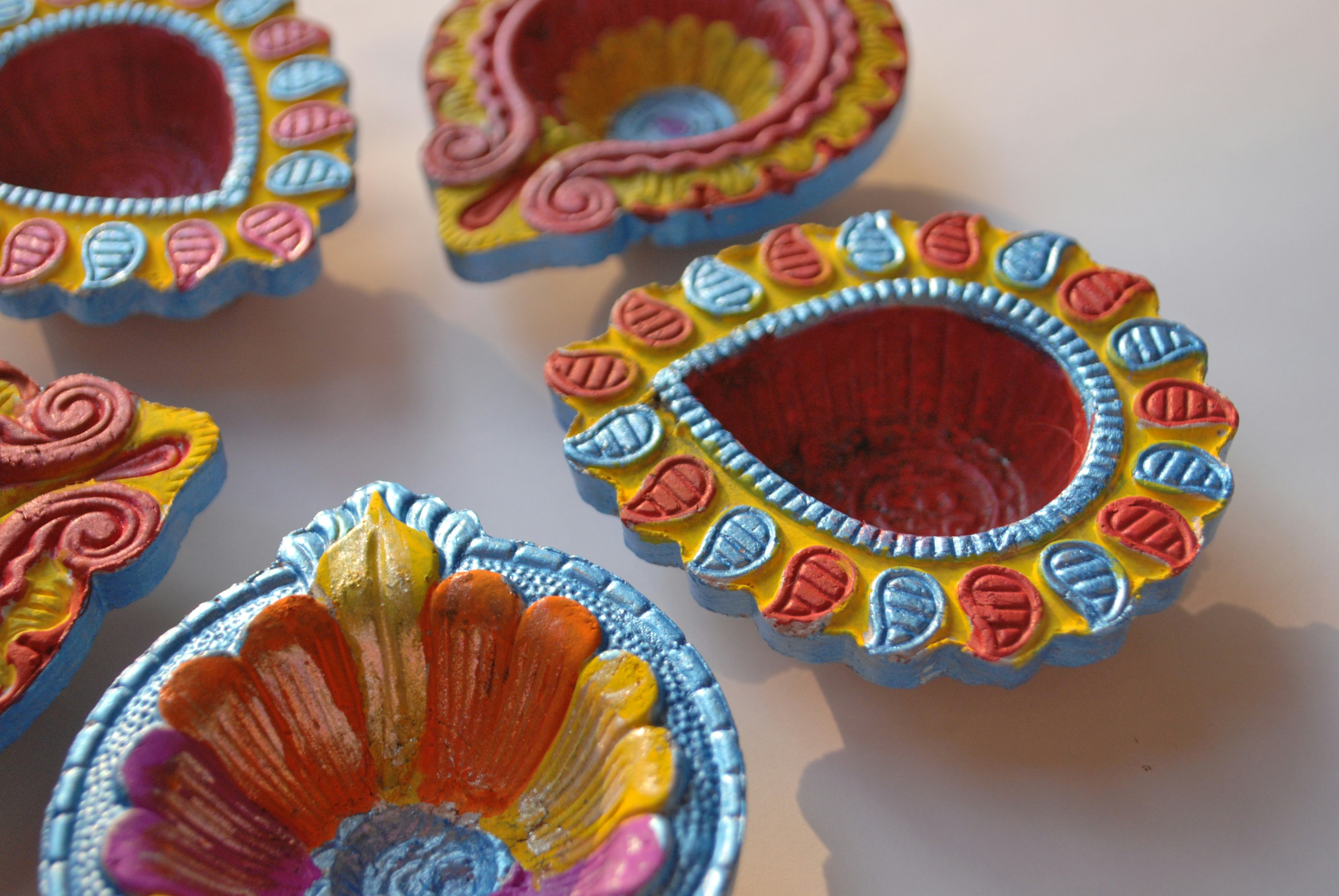


In kitchens, living rooms, and garages across the United States, countless Hispanic families gather to create beautiful handmade items that carry centuries of cultural wisdom. These intimate spaces serve as workshops where Hispanic crafts flourish, being sacred traditions that bind families together and preserve ancestral knowledge.
From intricate embroidery passed down through generations of Mexican grandmothers to the delicate art of papel picado crafted during family celebrations, these Latino handmade traditions represent living connections to heritage that continue to thrive in modern American homes.
The Sacred Art of Textile Traditions
Within Hispanic households, textile arts form the backbone of family craft traditions. Mexican families often center their creative practices around rebozos, the traditional shawls that require months of careful weaving and knotting. Grandmothers sit with daughters and granddaughters, their hands guiding smaller ones through the intricate process of selecting threads and creating patterns that have remained unchanged for generations.
Embroidery traditions vary significantly across different Hispanic cultures, each carrying unique symbolic meanings. Puerto Rican families practice mundillo, a form of bobbin lace-making that transforms simple threads into elaborate doilies and decorative pieces. The craft requires patience and precision, qualities that elders use to teach younger family members about perseverance and attention to detail.
In Salvadoran homes, families gather to create traditional huipiles, embroidered blouses that tell stories through their patterns. Each design element carries meaning—flowers represent fertility and growth, birds symbolize freedom and communication with ancestors, and geometric patterns often represent the family's specific regional heritage. These garments become heirloom pieces, worn during special celebrations and passed down to mark important life transitions.
Pottery and Clay Work in Family Settings
Hispanic pottery traditions transform ordinary clay into extraordinary vessels that serve both practical and ceremonial purposes. In many Mexican-American households, talavera pottery techniques are practiced as family activities, with children learning to center clay on wheels while absorbing stories about their ancestors' artistic heritage.
The process begins with gathering the family around workspaces—often garage areas or outdoor patios converted into pottery studios. Parents teach children how clay responds to different pressures and temperatures, lessons that extend beyond craftsmanship into life philosophy. The patience required to create a perfect vessel mirrors the patience needed to build strong family relationships and preserve cultural traditions.
Ceramic work in Hispanic families often focuses on creating items for daily use rather than purely decorative pieces. Families craft molcajetes for grinding spices, cantaros for storing water, and decorative tiles for home decoration. Each piece carries the maker's fingerprints, literally and figuratively, creating unique items that cannot be replicated by mass production.
Many families maintain traditional firing techniques, building small kilns in backyards or using community outdoor spaces for larger projects. These firing sessions become community events where extended families and neighbors gather to share techniques and celebrate completed works.
Paper Arts and Celebration Crafts
Papel picado represents one of the most beloved Hispanic paper crafts, transforming simple tissue paper into vibrant decorations that celebrate life's important moments. Families gather weeks before celebrations to plan designs and cut intricate patterns that will adorn their homes during birthdays, weddings, and religious festivals.
The craft requires only basic materials—colored tissue paper, scissors, and templates—making it accessible to families regardless of economic circumstances. However, the skill required to create truly beautiful papel picado demands years of practice. Experienced family members teach newcomers how to fold paper correctly, which cuts will create specific effects, and how to balance positive and negative spaces to achieve stunning visual results.
Piñata-making is another family-centered craft tradition that brings together multiple generations. The process of creating papier-mâché forms, applying colorful decorations, and filling these creations with treats becomes a celebration in itself. Families often begin piñata construction weeks before parties, allowing each layer to dry properly and building anticipation for the upcoming celebration.
These paper crafts connect families to broader community celebrations while maintaining intimate family traditions. The community celebrations that feature these handmade decorations strengthen cultural bonds that extend far beyond individual households.
Religious and Spiritual Craft Traditions
Hispanic families often center their craft practices around religious and spiritual traditions, creating items that serve both decorative and devotional purposes. Retablo painting—small religious paintings on wood or tin—allows families to express their faith while preserving artistic traditions that date back centuries.
These miniature masterpieces typically depict saints, biblical scenes, or personal prayers for protection and guidance. Family members work together to prepare surfaces, mix traditional pigments, and apply delicate brushstrokes that require steady hands and focused concentration. The completed retablos find places of honor in home altars, where they serve as focal points for family prayers and meditation.
Santos carving represents another deeply spiritual craft tradition practiced in Hispanic households. Families carve wooden figures of saints and religious figures, often using techniques passed down through generations. The process requires significant skill in woodworking, painting, and understanding religious iconography, making it a comprehensive educational experience for younger family members.
Many families maintain traditional altars or ofrendas that incorporate handmade elements created throughout the year. These sacred spaces feature hand-embroidered cloths, carved candle holders, painted ceramic vessels, and fresh flowers arranged according to family traditions.
Jewelry Making and Metalwork Heritage
Hispanic families often practice traditional jewelry-making techniques that transform simple materials into meaningful adornments. Silverwork traditions, particularly strong in Mexican families, teach children to manipulate metal into intricate designs that reflect cultural symbols and personal meaning.
Family workshops typically focus on creating pieces for special occasions—quinceañera jewelry, wedding accessories, and religious medals that mark important life transitions. The techniques require specialized tools and considerable skill, but many families maintain small collections of hammers, files, and forming blocks to practice traditional metalworking methods.
Beadwork traditions offer more accessible entry points for younger family members to participate in jewelry creation. Families gather to string traditional patterns, often while sharing stories about the significance of different colors and arrangements. These sessions become opportunities for oral history, with elders sharing family stories while their hands remain busy with creative work.
The enduring heritage traditions that encompass these metalworking skills represent more than artistic expression—they provide families with the means to create meaningful gifts and heirloom pieces that carry forward cultural values.
Preserving Traditions in Modern Times
As Hispanic families navigate contemporary life while honoring ancestral traditions, many are finding innovative ways to maintain craft practices despite busy schedules and constraints of urban living. Digital documentation has become an important tool for preserving traditional techniques, with families creating video recordings of elders demonstrating complex processes that might otherwise be lost.
Modern Hispanic families often adapt traditional workspace requirements to fit apartment living and suburban constraints. Portable craft supplies allow families to practice textile arts in small spaces, while community centers and cultural organizations provide access to kilns and specialized equipment for pottery and metalwork projects.
Supporting local Latin businesses that honor these traditional craft methods helps maintain the broader cultural ecosystem that supports family-based traditions while providing economic opportunities for skilled artisans.
Teaching and Learning Across Generations
The transmission of Hispanic craft traditions relies heavily on informal apprenticeship systems within families, where learning occurs through observation, participation, and gradual skill development. Abuela pedagogy—grandmother teaching—represents a particularly important educational approach that combines craft instruction with cultural wisdom and family history.
These learning environments operate on different timelines than formal education systems, allowing students to develop skills at their own pace while absorbing cultural context that gives meaning to technical processes. Children often begin by performing simple tasks—sorting threads, mixing clay, or cutting paper—before gradually advancing to more complex techniques as their motor skills and understanding develop.
Storytelling forms an integral part of craft education, with elders sharing personal histories, cultural myths, and family memories while hands remain busy with creative work. These narratives provide context that transforms simple craft activities into meaningful cultural experiences that reinforce identity and belonging.
The values and teachings that accompany these craft traditions extend far beyond technical skills, encompassing broader life lessons about patience, creativity, cultural pride, and family responsibility.
Crafting Cultural Connections for Tomorrow
The Hispanic crafts practiced within family settings represent far more than artistic pursuits—they serve as vital cultural bridges that connect past, present, and future generations. These Latino handmade traditions continue to thrive in American homes because they fulfill fundamental human needs for creativity, connection, and cultural belonging that transcend geographical boundaries and generational changes. As we look toward Hispanic culture 2026 and beyond, these intimate craft traditions will undoubtedly evolve while maintaining their essential role in preserving cultural identity and strengthening family bonds.
Visit United Tribes today to learn more about Hispanic culture and explore communities that celebrate and preserve these beautiful handmade traditions for generations to come.


