
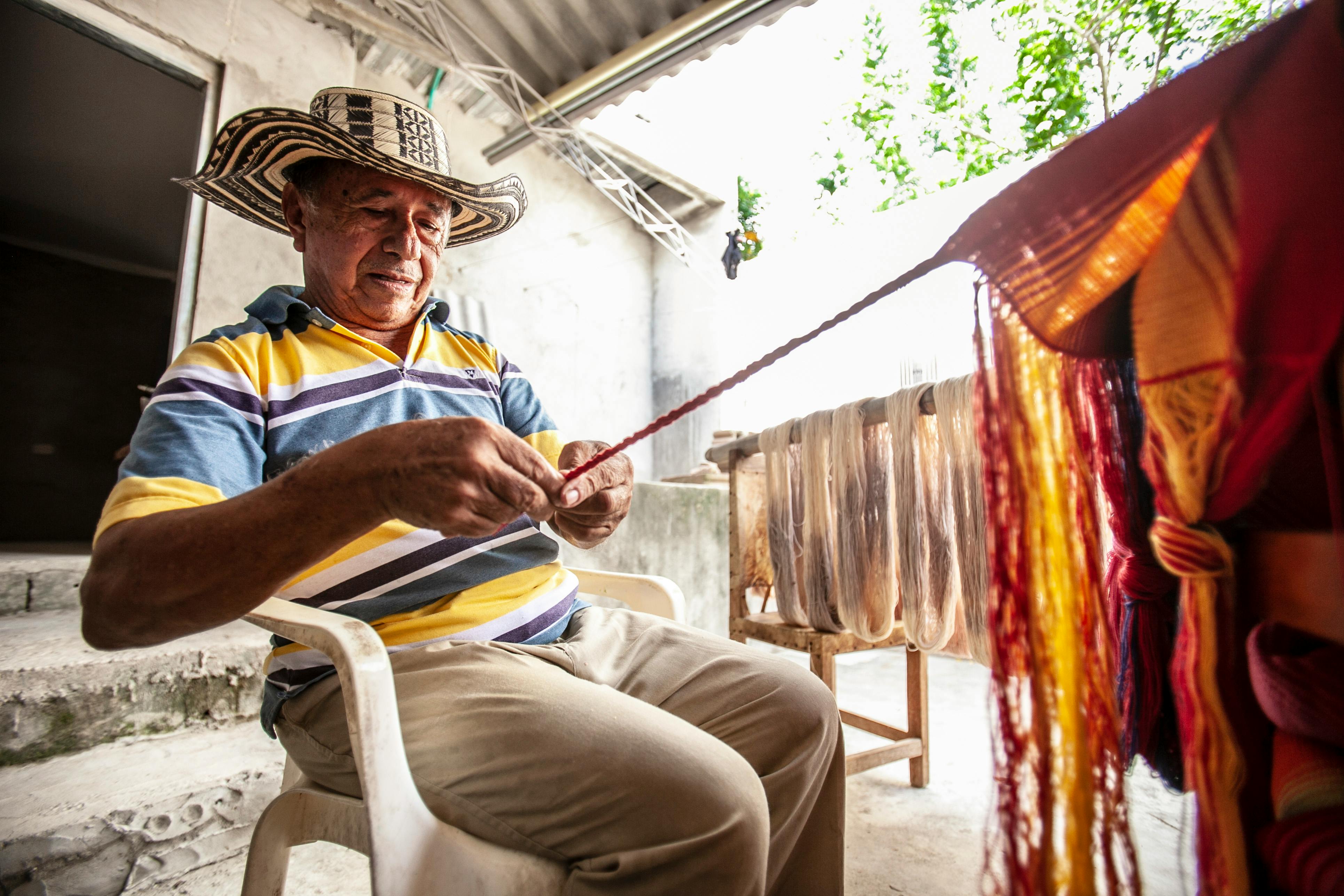

Across the United States, a quiet revolution is transforming the landscape of American business. Hispanic entrepreneurs are breathing new life into Main Street America, creating vibrant economic ecosystems that celebrate cultural heritage while embracing innovation.
The impact of Latino-owned small businesses extends far beyond simple commerce. These enterprises serve as cultural ambassadors, community gathering spaces, and economic anchors, revitalizing neighborhoods from coast to coast. As the Hispanic population continues to grow, representing nearly 19% of the U.S. population, these entrepreneurs are positioning themselves at the forefront of America's economic future.

Welcome to United Tribes
Where Mexican Culture Comes Alive
Join Your Tribe
Connect with your people
Discover Events
Watch parties & festivals
Find Mexican Businesses
Restaurants, markets & more
Earn Crown Credits
Get rewarded for engaging
The Economic Impact of Latino Business Growth
The Latino business represents one of the fastest-growing segments of American entrepreneurship. According to recent data, Hispanic-owned businesses generate over $800 billion in annual revenue, employ millions of Americans, and contribute significantly to local tax bases. This economic powerhouse is reshaping traditional business districts and creating new opportunities in both urban centers and rural communities.
The growth trajectory of Hispanic entrepreneurship is particularly impressive in key sectors. Restaurant and food service businesses lead the charge, with Latino restaurateurs introducing authentic flavors and innovative dining concepts that attract diverse customer bases. However, the entrepreneurial spirit extends well beyond the culinary world into retail, professional services, construction, and increasingly, technology and healthcare.
Geographic Distribution and Community Impact
The influence of Latino entrepreneurship varies significantly across regions, with concentrations in traditional Hispanic strongholds such as California, Texas, Florida, and New York, as well as emerging markets in the Southeast and Midwest. In cities such as San Antonio, Miami, and Los Angeles, Hispanic-owned businesses form the backbone of entire commercial districts, creating jobs and fostering economic development.
These businesses often serve as community anchors, providing not just goods and services but also cultural connection points for both Hispanic and non-Hispanic residents. The influence of Latin cuisine in the U.S. exemplifies how these enterprises introduce broader communities to rich cultural traditions while building sustainable businesses.
Culinary Innovation Leading the Charge
The food industry represents the most visible success story of Hispanic entrepreneurship in America. Latino-owned small businesses in the culinary sector have evolved far beyond traditional restaurant models, embracing food trucks, catering services, specialty retail, and innovative fusion concepts that appeal to increasingly diverse palates.
Mexican, Colombian, Salvadoran, and other Latin American cuisines have found eager audiences throughout the United States, with entrepreneurs adapting traditional recipes to local tastes while maintaining authentic flavors. These businesses often start small—perhaps as a single food cart or a family-run restaurant—but grow to become regional chains that employ hundreds of workers and generate millions in revenue.
The success of Hispanic food entrepreneurs has also sparked innovation in food production and distribution. Many Latino business owners are developing their own supply chains, creating opportunities for other Hispanic entrepreneurs in farming, food processing, and logistics. This integrated approach strengthens entire business ecosystems while preserving cultural authenticity.
Beyond Traditional Dining
Modern Hispanic entrepreneurs are pushing culinary boundaries through innovative concepts that blend traditional flavors with contemporary dining trends. Ghost kitchens specializing in regional Mexican dishes, artisanal tortilla manufacturers supplying high-end restaurants, and specialty beverage companies creating craft versions of traditional drinks represent just a few examples of this culinary evolution.
These ventures often incorporate modern technology and marketing strategies while maintaining deep connections to cultural heritage. The result is businesses that appeal to both Hispanic communities seeking authentic flavors and broader audiences curious about diverse culinary experiences.
Fashion and Retail Renaissance
The influence of Latino business extends prominently into fashion and retail, where entrepreneurs are creating brands that celebrate Hispanic heritage while appealing to mainstream markets. From traditional Mexican textiles reimagined for contemporary fashion to streetwear brands that incorporate cultural symbols and themes, Hispanic designers and retailers are making significant marks in competitive fashion markets.
Many of these businesses begin as small boutiques or online stores, often operated by families who bring decades of experience in textile production or retail management. As they grow, these enterprises create jobs and help revitalize commercial districts, particularly in areas with significant Hispanic populations.
The success of Hispanic fashion entrepreneurs reflects broader trends toward cultural authenticity and diversity in consumer preferences. Shoppers increasingly seek brands that tell meaningful stories and connect them to diverse cultural experiences, creating natural opportunities for Latino business owners to represent their heritage through their products authentically.
Retail Innovation and Community Connection
Beyond fashion, Hispanic entrepreneurs are innovating across various retail categories. Specialty grocery stores that import authentic ingredients, pharmacies that cater to Spanish-speaking customers, and service businesses that understand the unique needs of immigrant communities all play vital roles in strengthening local economies.
These businesses often succeed because they understand their communities' specific needs and preferences in ways that larger, corporate competitors cannot match. The personal relationships and cultural connections that characterize many Latino-owned small businesses create customer loyalty that transcends simple price competition.
Technology and Professional Services Growth
While food and retail often capture the most attention, Hispanic entrepreneurs are making significant strides in technology, professional services, and other high-growth sectors. Latino-owned consulting firms, marketing agencies, healthcare services, and tech startups are emerging throughout the United States, often serving as bridges between Hispanic communities and broader markets.
These professional service businesses frequently leverage bilingual capabilities and cultural knowledge to serve diverse client bases. Marketing agencies that understand both Hispanic and mainstream markets, healthcare providers that communicate effectively with Spanish-speaking patients, and financial services companies that understand the unique challenges facing immigrant entrepreneurs are all growing sectors within the Hispanic business community.
The technology sector, in particular, offers tremendous growth potential for Latino entrepreneurs. From app developers creating tools for Spanish-speaking users to e-commerce platforms that connect Latino businesses with broader markets, technology ventures are creating new pathways for Hispanic business success.
Innovation Through Cultural Understanding
Many successful Hispanic tech entrepreneurs leverage their cultural backgrounds to identify market opportunities that others might overlook. Fintech companies serving unbanked populations, educational technology platforms that support bilingual learning, and communication tools that help immigrant families stay connected are all examples of innovation driven by cultural insight.
These ventures often begin by serving Hispanic communities and frequently expand into broader markets as their solutions prove valuable to diverse user bases. This pattern demonstrates how cultural diversity drives innovation and creates business opportunities that benefit entire communities.
Community Revitalization and Social Impact
The impact of Latino businesses extends well beyond economic metrics to encompass significant social and cultural contributions to American communities. Hispanic entrepreneurs often locate their businesses in underserved areas, bringing economic activity and employment opportunities to neighborhoods that larger corporations might overlook.
These businesses often serve as community gathering places where residents can access Spanish-language services, find familiar products, and maintain connections to their cultural heritage. The importance of supporting local Latin businesses extends beyond economic benefits to include cultural preservation and community building.
Many Latino business owners also prioritize giving back to their communities through sponsoring local events, supporting youth programs, and participating in civic activities. This community engagement creates positive cycles where business success translates into broader community improvements, attracting additional investment and development.
Family Values in Business Practice
Family values in Latino culture often shape how Hispanic entrepreneurs approach business operations. Many Latino-owned businesses remain family enterprises across multiple generations, creating stability and long-term commitment to their communities.
This family-centered approach often results in business practices that prioritize employee welfare, community relationships, and sustainable growth over short-term profit maximization. Such practices contribute to the resilience and longevity of Latino-owned small businesses while creating positive workplace cultures that benefit employees and communities alike.
Future Opportunities and Challenges
As Hispanic entrepreneurs continue to reshape Main Street America, they face both significant opportunities and notable challenges. Access to capital remains a persistent issue, with many Latino business owners relying on personal savings, family resources, or community lending circles rather than traditional bank financing.
However, growing recognition of the Hispanic market's economic potential is attracting increased attention from investors, lenders, and business development organizations. Programs specifically designed to support Latino entrepreneurs are expanding, creating new pathways for business growth and success.
The digital transformation of commerce also presents tremendous opportunities for Hispanic business owners. E-commerce platforms, social media marketing, and digital payment systems can help small Latino-owned businesses reach broader markets while maintaining their community connections and cultural authenticity.
Building on Cultural Heritage
The future success of Latino entrepreneurship will likely depend on continued innovation that builds upon cultural heritage while embracing new technologies and market opportunities. Businesses that effectively bridge traditional practices with modern business methods often find the most sustainable success.
Understanding and celebrating Hispanic heritage traditions while adapting to contemporary market demands represents a key challenge and opportunity for Hispanic entrepreneurs. Those who master this balance often create businesses that successfully serve multiple generations and diverse customer bases.
The culinary sector, for example, continues to offer opportunities for entrepreneurs who can introduce authentic flavors through modern business models. Mexico's diverse culinary traditions are just one example of the rich cultural resources that Latino entrepreneurs can draw on when building innovative businesses.
Transforming America's Business Landscape
Hispanic entrepreneurs are fundamentally transforming the American business landscape, bringing innovation, cultural richness, and economic vitality to communities nationwide. Through their ventures in food, fashion, technology, and professional services, these business owners are reshaping it to be more inclusive, diverse, and responsive to changing demographics and consumer preferences.
The future of American entrepreneurship will undoubtedly be shaped by the continued growth and success of Latino business owners who understand that honoring cultural heritage and embracing innovation are complementary strengths that create sustainable competitive advantages. Visit United Tribes today to learn more about Hispanic culture and community.
Make United Tribes Your Preferred Source
Add United Tribes on Google to get the latest stories, cultural updates, and community events directly in your Google Search and Top Stories.