
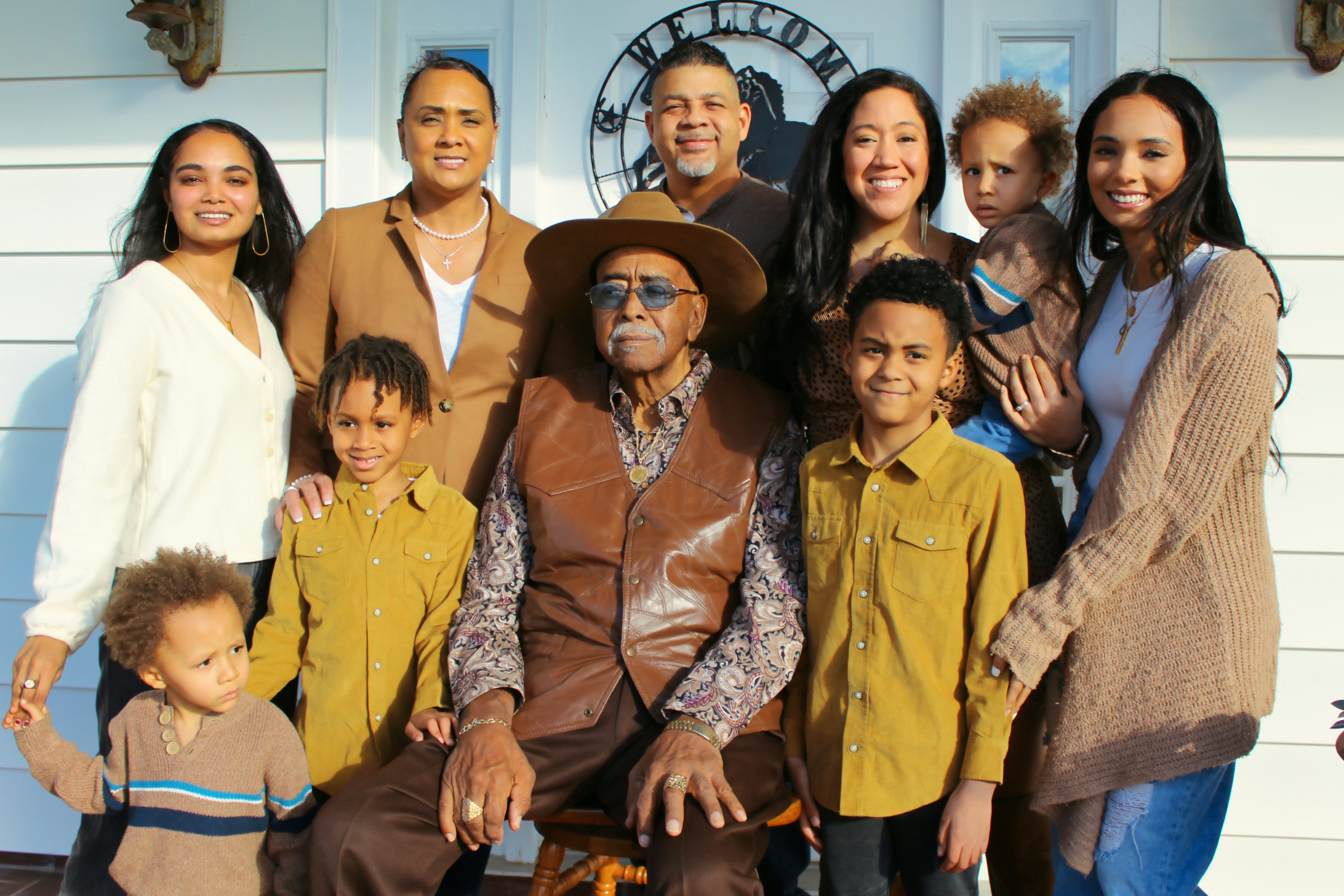

Hispanic family traditions remain deeply rooted in the simple yet profound act of sharing meals. The dinner table serves as a sanctuary where Latino home culture thrives, creating spaces where grandparents share stories in Spanish, children learn about their heritage through food preparation, and families strengthen bonds that transcend geographical boundaries.
The Sacred Space of Family Meals
In Hispanic households across America, the concept of "la mesa familiar" extends far beyond a simple piece of furniture. The family table represents a sacred space where multiple generations converge daily, creating an environment where cultural transmission occurs naturally. During these meals, children absorb lessons about respect, family hierarchy, and community values without formal instruction.

Welcome to United Tribes
Where Mexican Culture Comes Alive
Join Your Tribe
Connect with your people
Discover Events
Watch parties & festivals
Find Mexican Businesses
Restaurants, markets & more
Earn Crown Credits
Get rewarded for engaging
The practice of gathering for meals follows patterns established centuries ago, yet it adapts seamlessly to modern schedules. Many families maintain the tradition of comida principal—the main meal where everyone stops their activities to come together. Whether it's a weekday dinner after work and school or an elaborate Sunday gathering, these moments create a sense of consistency in an otherwise chaotic world.
Language preservation occurs organically during these meals, as older family members speak in Spanish or indigenous languages while younger generations respond in English, creating a beautiful linguistic bridge. Food becomes the universal translator, with dishes carrying stories and cultural significance that words alone cannot convey.
The preparation process itself becomes a bonding ritual, with multiple family members contributing to meal creation. Children learn traditional techniques by observing and participating, ensuring that culinary knowledge is passed down from one generation to the next.
Preserving Cultural Identity Through Food Traditions
Food serves as one of the most powerful vehicles for cultural preservation within Hispanic families. Each dish tells a story of geographic origin, family history, and cultural adaptation. The influence of Latin cuisine demonstrates how these culinary traditions have not only survived but flourished in American society.
Traditional recipes become family heirlooms, passed down through oral tradition and hands-on learning. Grandmothers teach their grandchildren the precise technique for making perfect tortillas, the secret to authentic mole, or the family's unique twist on classic empanadas. These cooking sessions become informal classrooms where cultural knowledge transfers naturally.
Seasonal celebrations maintain their importance through food-centered gatherings. Day of the Dead altars feature traditional offerings; Christmas brings families together for tamale-making marathons; and Easter celebrations center on specific regional dishes. Each holiday reinforces cultural identity while creating new memories for younger generations.
The adaptation of traditional dishes to incorporate local ingredients or dietary restrictions demonstrates the dynamic nature of Hispanic culture. Families create fusion recipes that honor their heritage while embracing their American experience, resulting in unique culinary traditions that reflect their bicultural identity.
Regional diversity within Hispanic culture becomes apparent during family meals, as dishes from Mexico, Central America, South America, and the Caribbean each bring distinct flavors and preparation methods.
Building Stronger Family Bonds
The act of sharing meals creates multiple opportunities for family bonding that extend beyond the dining experience itself. Hispanic food gatherings foster communication patterns that strengthen relationships across generational lines. During these meals, family members share daily experiences, discuss challenges, and celebrate achievements in a supportive environment.
Conflict resolution often occurs naturally around the dinner table, where sharing food softens tensions and creates space for understanding. The informal atmosphere allows family members to address issues without the pressure of formal confrontations, leading to more effective problem-solving.
Children develop social skills and emotional intelligence through these regular interactions with family members of all ages. They learn to listen respectfully to elders, share their own perspectives, and navigate complex family dynamics.
Community Connections Through Shared Meals
Family meal traditions extend beyond individual households to create broader community connections. Neighborhood potluck dinners, church gatherings, and cultural celebrations all center around shared food experiences that reinforce Hispanic cultural identity within larger American communities.
These community gatherings provide opportunities for families to connect with others who share similar cultural backgrounds while introducing their traditions to neighbors from different heritage groups.
Cultural exchange occurs naturally when Hispanic families share their food traditions with non-Hispanic friends and neighbors. These interactions promote understanding and appreciation while giving Hispanic children pride in their cultural heritage.
The economic aspect of community meal sharing supports local Latin businesses as families purchase specialty ingredients and prepared foods from Hispanic-owned establishments. This economic support helps maintain cultural authenticity while strengthening community business networks.
Mentorship opportunities emerge when experienced cooks share their knowledge with younger community members or newcomers to the area. These relationships create support systems that extend far beyond cooking lessons, encompassing broader cultural guidance and friendship.
Teaching Values and Life Lessons
The dinner table serves as an informal classroom where Latino home culture transmits essential values to younger generations. Respect for elders manifests in seating arrangements, serving order, and conversation protocols that children learn through daily practice rather than formal instruction.
Work ethic values emerge through meal preparation responsibilities, where children learn that contributing to family welfare requires effort and dedication. Age-appropriate tasks teach responsibility while building confidence and competence in practical life skills.
The concept of "familismo"—prioritizing family welfare over individual desires—becomes apparent through shared meal practices. Children learn to consider others' preferences, wait their turn, and contribute to family harmony through their mealtime behavior.
Gratitude and appreciation develop naturally when families acknowledge the effort required to prepare meals and the blessing of having food to share. Many families incorporate brief prayers or expressions of thanks that reinforce spiritual and cultural values.
Celebrating Heritage Through Special Occasions
Special occasion meals hold particular significance in maintaining cultural connections and creating lasting family memories. These celebrations often require extensive preparation that involves multiple family members, creating collaborative experiences that strengthen relationships while preserving traditions.
Holiday traditions center around specific foods that carry deep cultural meaning. The process of preparing these special dishes often involves ceremony and ritual that connect families to their ancestral practices.
Birthday celebrations, quinceañeras, graduations, and other milestone events feature traditional foods that mark these occasions as culturally significant. The specific dishes chosen often reflect regional heritage and family customs that have been maintained across generations.
Religious observances incorporate food traditions that connect families to their spiritual heritage while reinforcing cultural identity. These practices often blend Catholic traditions with indigenous or regional customs, creating unique family celebrations that reflect complex cultural histories.
The preparation for special occasions often requires planning and coordination among family members, creating anticipation and excitement that enhances the ultimate celebration. Children learn to associate their cultural heritage with joy and family togetherness through these positive experiences.
Nourishing Cultural Bonds Through Food
As Hispanic families navigate the complexities of maintaining cultural traditions in an increasingly fast-paced world, the dinner table remains a constant source of stability and connection. These gatherings demonstrate that Hispanic heritage traditions endure while adapting and evolving, maintaining their essential purpose of keeping families connected to their roots. The investment in these daily and special-occasion meals pays dividends in stronger family relationships, preserved cultural knowledge, and a confident cultural identity for future generations.
Visit United Tribes today and find out more about Hispanic culture and community connections that celebrate the rich traditions that make family gatherings so meaningful.
Make United Tribes Your Preferred Source
Add United Tribes on Google to get the latest stories, cultural updates, and community events directly in your Google Search and Top Stories.


