
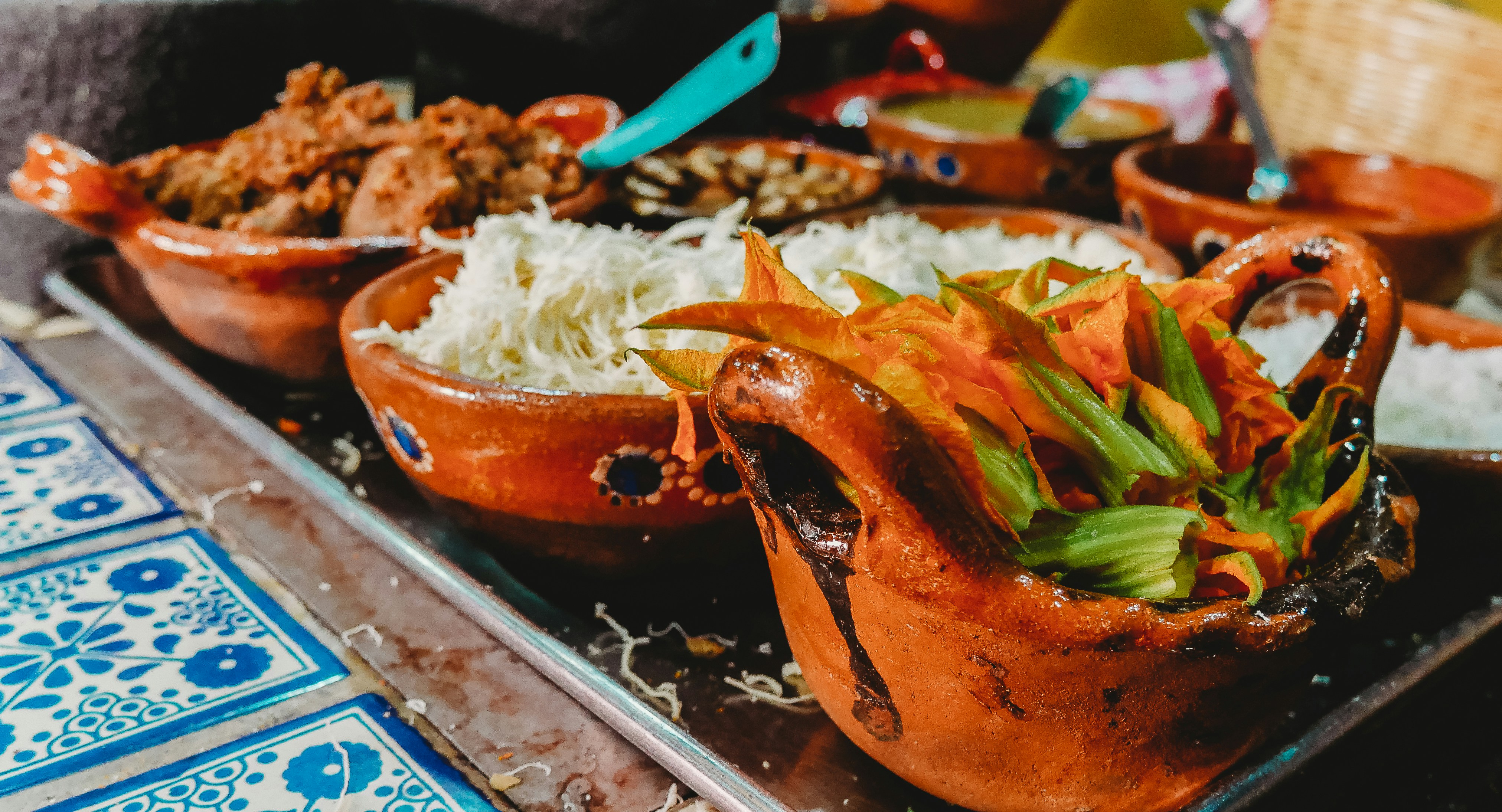


The beauty of Hispanic winter food traditions lies not in elaborate presentation or rare ingredients, but in intentional simplicity. These meals create space for families to gather, share stories, and strengthen bonds. Passed down through generations of mothers, grandmothers, and extended family members, winter dishes reflect the belief that feeding loved ones is both a practical necessity and a deeply meaningful act of care.
The Philosophy Behind Hispanic Winter Comfort Foods
Traditional Hispanic winter food philosophy is rooted in principles that have sustained Latino communities across generations. Central to this is comida casera, or home cooking—meals prepared with patience, care, and attention to both nourishment and connection. During late winter, this philosophy becomes especially important as families seek warmth and togetherness during potentially isolating seasons.
Warmth and sharing form the foundation of these culinary traditions. Winter meals are designed as communal experiences, where multiple generations gather around tables to enjoy steaming soups, hearty stews, and comforting beverages. Preparation itself is often a shared activity, with each family member contributing according to their ability and experience.
Resource mindfulness also plays a vital role. Hispanic families have long mastered the art of preparing nutritious, satisfying meals from affordable, accessible ingredients. This knowledge is especially valuable during winter months, when fresh produce may be limited or expensive. Dried beans, grains, preserved vegetables, and slow-cooking techniques allow families to extract maximum flavor and nourishment from simple staples.
Latino home cooking during winter prioritizes dishes that provide sustained energy and comfort. These meals often feature complex carbohydrates, plant-based proteins, and warming spices that support the body during colder months. Understanding how Latino heritage traditions shape these practices helps families maintain strong connections to their cultural roots.
Essential Winter Dishes That Define Latino Home Cooking
Hearty Bean and Grain Combinations
Frijoles charros and similar bean dishes are a staple of Hispanic winter cuisine. These protein-rich meals typically combine dried beans with rice, providing complete protein that sustains families during cold weather. Preparation often spans multiple days, with overnight soaking and slow cooking that fills homes with comforting aromas.
Flavor is built in layers, beginning with a sofrito of onions, garlic, and bell peppers, then deepened with cumin, oregano, and bay leaves. Some families add small amounts of chorizo or ham, while others rely entirely on plant-based ingredients that still deliver robust flavor and nutrition.
Rice-and-bean combinations vary widely across regions. Mexican households may serve frijoles refritos alongside seasoned rice, while Caribbean families often favor black beans paired with coconut-infused rice. These variations highlight how Latino home cooking adapts to local ingredients while preserving core cultural and nutritional principles.
Warming Soups and Stews
Pozole rojo stands among the most iconic Hispanic winter dishes, combining hominy, dried chiles, and protein in a rich, deeply satisfying broth. Its preparation requires time and care, with chiles soaked, blended, and strained to achieve the dish’s signature depth. Families often prepare large batches that grow even more flavorful over several days.
Sancocho is another essential winter comfort food, particularly in Caribbean communities. This hearty stew brings together root vegetables, plantains, corn, and protein in a nourishing broth. Each family’s version reflects regional heritage and personal preference, making every pot unique.
Soup-making traditions emphasize resourcefulness. Vegetable scraps become broth bases, and leftover proteins are repurposed into new meals. These slow-cooked dishes not only reduce waste but also help naturally warm homes during cold weather.
The Role of Beverages in Winter Comfort Traditions
Traditional warming drinks hold a special place in Hispanic food culture. These beverages provide both physical warmth and emotional comfort, often incorporating ingredients like cinnamon, chocolate, and spices known for their warming properties.
Café de olla is perhaps the most beloved winter beverage, blending coffee with cinnamon, piloncillo, and sometimes citrus zest. Brewed traditionally in clay pots, it offers earthy depth and inviting warmth. Families often gather in the kitchen as it simmers, using the moment to connect and plan the day ahead.
Chocolate caliente follows equally cherished traditions. Mexican chocolate tablets are dissolved in warm milk with cinnamon and vanilla, sometimes enriched with almonds for added nutritional value. The frothy texture, created using a wooden molinillo, is a defining feature of authentic preparation.
Atole and champurrado complete the winter beverage repertoire. Made from masa harina, milk, and flavorings, these thick drinks function almost like liquid meals, providing lasting energy and comfort during particularly cold mornings.
Preservation Techniques and Winter Meal Planning
Hispanic families rely on well-established preservation methods to maintain nutrition throughout winter. These techniques reflect generations of knowledge about sustaining food quality when fresh ingredients are scarce.
Dried ingredients form the foundation of winter pantries, with families stocking beans, grains, chiles, and spices that remain reliable regardless of season or economic conditions.
Pickled and fermented vegetables add both flavor and nutrients to winter meals. Jalapeños, onions, and other vegetables prepared during abundant seasons are used throughout winter, providing probiotics and brightness when fresh produce is limited.
Batch cooking is another key strategy. Families often spend weekends preparing large quantities of beans, rice, and sauces for use in various meals throughout the week. This approach ensures access to home-cooked Latino meals even during busy schedules.
Modern Adaptations of Traditional Winter Cooking
Contemporary Hispanic families continue to honor winter food traditions while adapting them to modern lifestyles. These adaptations reflect the flexibility and resilience of Hispanic culinary culture.
Kitchen technology, such as slow cookers and pressure cookers,s allows families to prepare traditional dishes more efficiently without sacrificing flavor. Ingredient substitutions, such as plant-based proteins or alternative grains, help accommodate dietary needs and ingredient availability while preserving familiar tastes.
Cultural Significance and Family Bonding Through Food
Hispanic winter food traditions serve as powerful vehicles for cultural transmission and family bonding. Multi-generational cooking sessions allow elders to teach techniques, share stories, and pass down values embedded in traditional dishes.
Storytelling naturally accompanies winter cooking, turning meal preparation into moments of shared memory and cultural education. The emphasis on hospitality and generosity is especially evident during winter, when families often prepare extra food to share with neighbors or community members in need.
Embracing Winter Food Heritage
Hispanic winter food traditions offer enduring wisdom about nourishing both body and spirit during challenging seasons. Through simple ingredients prepared with care, these meals become expressions of identity, resilience, and connection.
In a fast-paced modern world, these traditions remind us that the most meaningful meals are often the simplest: crafted with care and shared with intention. The values of warmth, sharing, and resourcefulness found in Latino home cooking continue to inspire families across generations.
Visit United Tribes today to learn more about Hispanic culture and the community traditions that continue to strengthen families and connections throughout every season.


