
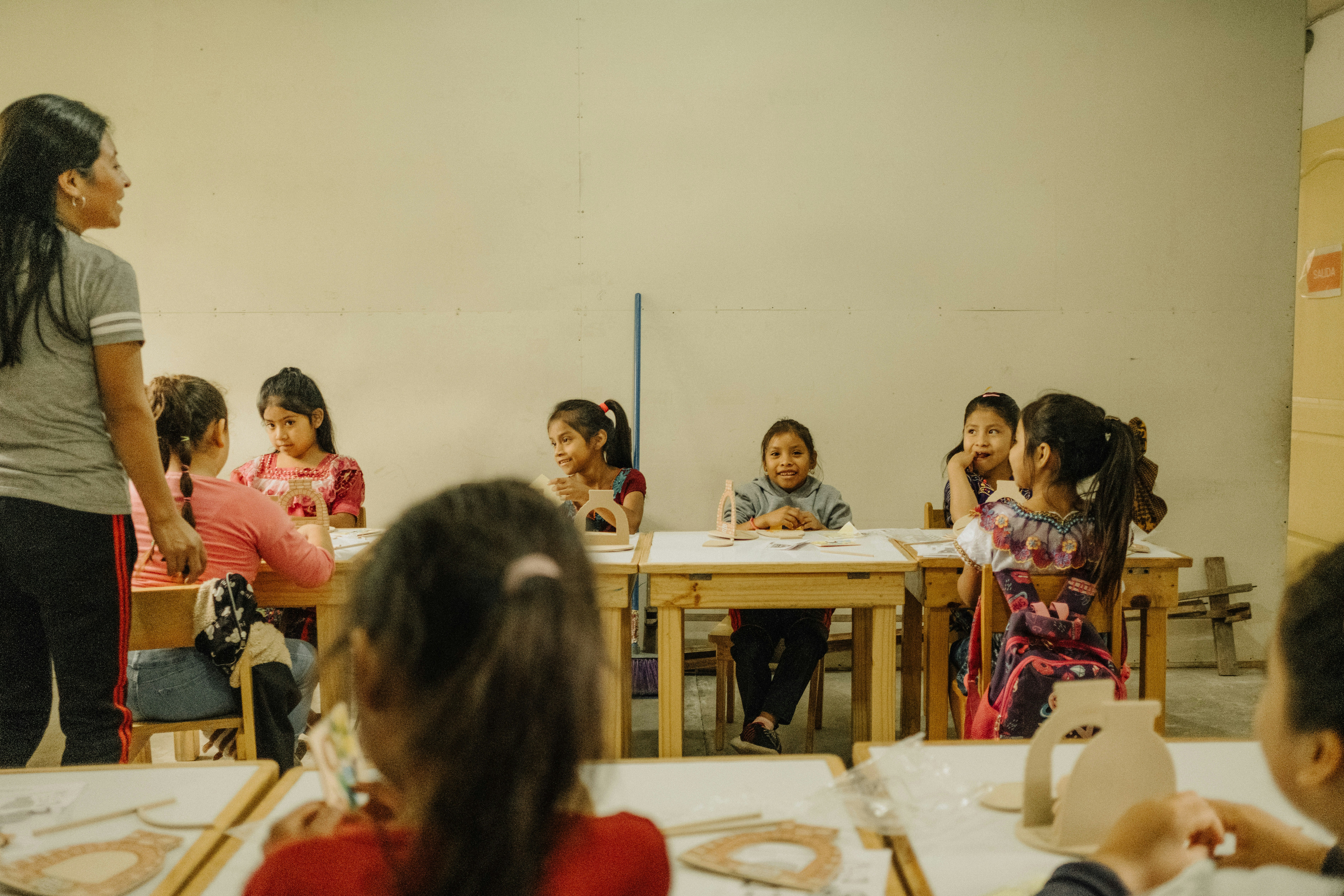


Every September 15th to October 15th, schools across the United States transform into vibrant celebrations of Hispanic Heritage Month, creating educational experiences that honor the rich contributions of Latino communities to American society. This month-long observance provides educators with a unique opportunity to integrate Hispanic heritage lessons into their curriculum, fostering cultural appreciation and understanding among students from diverse backgrounds. From elementary classrooms to high school auditoriums, Hispanic Heritage Month in schools nationwide is implementing innovative programs that not only educate but also celebrate the diverse traditions, achievements, and ongoing influence of Hispanic and Latino Americans.
The Foundation of Hispanic Heritage Month in Education
Schools have adopted this celebration and made it an integral part of their comprehensive cultural education. Originally established as Hispanic Heritage Week in 1968 and expanded to a full month in 1988, this period allows educators to explore the multifaceted contributions of Hispanic and Latino Americans throughout history.
The educational focus during this time extends far beyond traditional textbook learning. Schools are incorporating Latino education initiatives that highlight contemporary achievements alongside historical milestones. Students learn about influential figures like Supreme Court Justice Sonia Sotomayor, astronaut Ellen Ochoa, and civil rights leader Dolores Huerta, while also exploring the ongoing cultural impact of Hispanic heritage traditions that continue to shape American society.
Teachers across different grade levels are discovering creative ways to make Hispanic heritage lessons both engaging and educational. Elementary students might create colorful papel picado decorations while learning about Mexican traditions, while middle school students research famous Latino scientists and inventors. High school students often engage in more complex projects that examine the socioeconomic contributions of Hispanic communities to their local areas.
Curriculum Integration Across Subject Areas
The beauty of these programs lies in their cross-curricular approach. Mathematics teachers incorporate lessons about ancient Mayan number systems and modern Latino statisticians. Science classes explore the contributions of Hispanic researchers and the biodiversity of Latin American ecosystems. English language arts students read works by celebrated authors such as Sandra Cisneros and Junot Díaz, gaining insight into the Hispanic-American experience through literature.
Social studies classes delve into the complex history of Spanish colonization, Mexican-American War impacts, and the modern civil rights movements within Latino communities. Art teachers guide students through the creation of traditional crafts and introduce them to renowned Hispanic artists, such as Diego Rivera and Frida Kahlo. Music programs introduce students to various genres, including salsa and mariachi, as well as reggaeton, demonstrating the evolution of Latin music in American culture.
Geography and Cultural Mapping
One particularly effective approach involves creating interactive maps that highlight the 21 Spanish-speaking countries and their unique cultural contributions. Students learn to distinguish between different Hispanic cultures, understanding that Latino and Hispanic identities encompass diverse experiences and backgrounds. This geographical approach helps students appreciate the vast cultural diversity within Hispanic and Latino communities.
Language Arts and Bilingual Education
Latino educational programs often emphasize the importance of bilingualism as a cognitive advantage. During Hispanic Heritage Month, schools celebrate students who speak Spanish as a first or second language, showcasing multilingual abilities as academic strengths rather than barriers. Poetry readings, storytelling sessions, and creative writing projects, offered in both English and Spanish, become the centerpieces of classroom activities.
Community Engagement and Local Partnerships
Successful Hispanic Heritage Month schools understand that authentic cultural education requires community involvement. Many educational institutions partner with local Hispanic business owners, cultural centers, and community leaders to provide students with real-world connections to the material they're studying.
Guest speakers visit classrooms to share personal stories about immigration experiences, entrepreneurship journeys, and cultural preservation efforts. Students learn about supporting local Latin businesses and their positive impact on community economic development. These partnerships often extend beyond the classroom, with field trips to Hispanic-owned restaurants, art galleries, and cultural museums.
Family and Community Involvement
Schools actively encourage Hispanic families to share their cultural knowledge and traditions with the broader school community. Hispanic heritage lessons become more meaningful when parents and grandparents participate as cultural ambassadors, teaching traditional dances, sharing family recipes, or discussing their countries of origin.
Many schools organize Family Heritage Nights, where students present research projects about their own cultural backgrounds, creating an inclusive environment that celebrates diversity while specifically honoring Hispanic contributions. These events often feature traditional foods, music performances, and cultural displays that engage the entire school community.
Student Projects and Creative Expression
Hispanic Heritage Month in schools encourages students to express their learning through various creative mediums. Research projects might focus on Hispanic inventors whose contributions shaped modern technology, while art projects could recreate famous murals or design original works inspired by Latin American artistic traditions.
Technology Integration
Modern Latino education leverages technology to create immersive learning experiences. Students use virtual reality to explore ancient Mayan ruins, create digital presentations about contemporary Hispanic leaders, or develop websites showcasing local Latino community contributions. These technology-enhanced projects help students develop digital literacy skills while exploring cultural content.
Performance and Presentation Opportunities
Drama clubs perform scenes from plays by Hispanic playwrights, while music programs showcase traditional and contemporary Latin music styles. Dance performances enable students to learn traditional steps from various Hispanic cultures, gaining insight into how Latino cultural influences have evolved and adapted within American contexts.
Addressing Contemporary Issues and Achievements
Effective Hispanic heritage lessons don't limit themselves to historical figures and past events. The contemporary curriculum addresses the current contributions of Hispanic and Latino individuals to American society, including their achievements in technology, healthcare, politics, and social justice movements.
Students learn about Hispanic professionals in STEM fields, Latino entrepreneurs building innovative businesses, and community leaders working to address current social challenges. This approach helps students understand that Hispanic heritage is not just about the past—it's about the ongoing contributions to America's future.
Social Justice and Civic Engagement
Many schools celebrating Hispanic Heritage Month incorporate discussions about social justice issues affecting Latino communities, teaching students about civic engagement and community activism. Age-appropriate conversations about immigration, educational equity, and economic opportunity help students develop critical thinking skills while gaining a deeper understanding of complex social issues.
Long-term Impact and Year-Round Integration
The most successful programs don't confine Hispanic cultural education to just one month per year. They use Hispanic Heritage Month as a launching point for year-round cultural competency development, ensuring that Hispanic contributions remain visible in classroom discussions throughout the academic year.
Teachers report that students who participate in comprehensive Hispanic heritage lessons exhibit increased cultural awareness, enhanced empathy for diverse communities, and a deeper appreciation for multilingualism. These educational experiences help prepare students for success in an increasingly diverse American society where understanding Latino family values and cultural perspectives enhances both personal and professional relationships.
Schools that maintain this year-round approach often see improved academic engagement among Hispanic students, who feel more represented and valued within the educational environment. Additionally, all students benefit from exposure to diverse perspectives and cultural knowledge that enriches their overall educational experience.
Empowering Future Generations Through Cultural Education
Hispanic Heritage Month in schools represents far more than a simple cultural celebration—it's an investment in creating culturally competent, globally minded citizens who appreciate the rich tapestry of American society. Through comprehensive Hispanic heritage lessons, students develop critical thinking skills, cultural empathy, and a deeper understanding of how Latino contributions continue to shape their communities and nation.
The success of Hispanic Heritage Month schools demonstrates that when educational institutions commit to authentic, community-engaged cultural programming, students of all backgrounds benefit from enhanced learning experiences. These programs not only honor Hispanic and Latino achievements but also prepare students to participate meaningfully in diverse communities throughout their lives.
Visit United Tribes today and discover more about Hispanic culture and community resources that can enrich educational experiences and foster cultural connections for students, families, and educators alike.


