
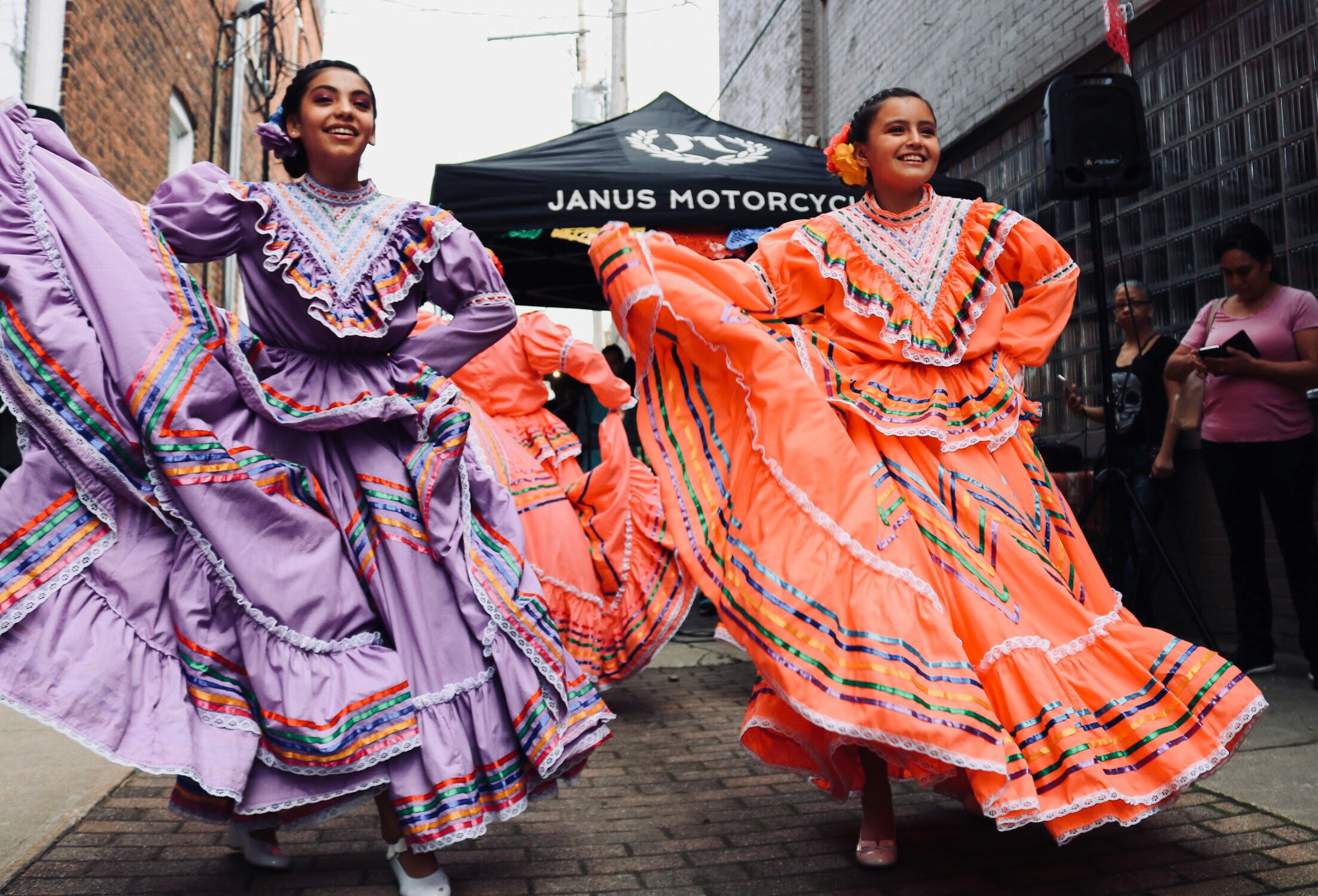


Every September 15th through October 15th, the United States transforms into a vibrant tapestry of Hispanic Heritage Month celebrations, honoring the rich cultural contributions of Hispanic and Latino Americans. This month-long observance serves as a powerful reminder of how Hispanic culture celebrations have woven themselves into the fabric of American society, creating lasting bonds that strengthen communities from coast to coast.
From bustling street festivals in Los Angeles to intimate cultural workshops in small Midwestern towns, Hispanic Heritage Month serves as a bridge connecting generations, preserving traditions, and showcasing the profound Latino community impact on arts, politics, business, and everyday American life. These celebrations create spaces where heritage meets innovation, where traditional recipes blend with modern entrepreneurship, and where community stories become part of the larger American narrative.
The Historical Foundation of Hispanic Heritage Month
The roots of Hispanic Heritage Month trace back to 1968, when Congress authorized President Lyndon B. Johnson to proclaim National Hispanic Heritage Week. Twenty years later, President Ronald Reagan expanded the observation to a full month, recognizing that a week wasn't sufficient to honor the extensive contributions of Hispanic Americans to the nation's development.
The specific dates hold deep significance, beginning September 15th to coincide with the independence days of five Latin American countries: Costa Rica, El Salvador, Guatemala, Honduras, and Nicaragua. Mexico and Chile celebrate their independence on September 16th and 18th, respectively, while Columbus Day falls within the observance period, creating a concentrated time of cultural recognition and celebration.
This timing allows communities to weave together multiple national celebrations, creating festivals that honor the diversity within Hispanic heritage while emphasizing shared values of family, resilience, and cultural pride. The month-long celebration acknowledges that Latino heritage encompasses dozens of countries, languages, and traditions that collectively enrich American culture.
Major Celebrations and Festivals Across America
Coast-to-Coast Cultural Festivals
Hispanic Heritage Month comes alive through spectacular festivals that transform cities into cultural showcases. In New York City, the Bronx hosts elaborate street festivals featuring live mariachi bands, folkloric dance performances, and vendor booths selling everything from handcrafted jewelry to traditional tamales. These events regularly draw over 100,000 attendees, making them among the largest cultural celebrations in the metropolitan area.
Los Angeles takes celebration to another level with the Fiestas Patrias, a series of interconnected festivals throughout September that honor multiple Latin American independence days. Grand Park becomes the epicenter of these celebrations, featuring mainstage performances by renowned Latino artists, cultural workshops, and business showcases that highlight the economic power of the Hispanic community.
Chicago's Pilsen neighborhood transforms into a cultural wonderland during Hispanic Heritage Month, with murals coming alive through guided tours, restaurants offering special heritage menus, and the National Museum of Mexican Art hosting exhibitions that attract visitors from across the Midwest. The celebration extends beyond weekend events, with month-long programming that includes film screenings, poetry readings, and entrepreneurship workshops.
Regional Celebrations with Local Flavor
Miami's celebration reflects its unique position as the gateway to Latin America, featuring the Calle Ocho Festival expansion that spans multiple weekends. The celebration showcases the diversity within Hispanic heritage, with distinct areas dedicated to Cuban, Colombian, Venezuelan, and other Latin American cultures. Local Hispanic-owned businesses participate extensively, offering everything from authentic cuisine tastings to cultural workshops that teach traditional crafts.
San Antonio embraces its deep Mexican roots with Diez y Seis de Septiembre celebrations that blend historical commemoration with modern cultural expression. The city's River Walk becomes lined with cultural booths, live music stages, and art installations created by local Hispanic artists. The celebration specifically emphasizes the connection between historical heritage and contemporary Hispanic contributions to Texas culture and economy.
In unexpected places like Minneapolis and Portland, Hispanic culture celebrations have grown exponentially, reflecting the changing demographics of American cities. These celebrations often focus on community building and cultural education, serving both to strengthen Hispanic communities and introduce broader populations to Latino traditions and values.
Educational Initiatives and Cultural Learning
School and University Programs
Educational institutions across the country use Hispanic Heritage Month as an opportunity to integrate Latino history and culture into the curriculum beyond traditional textbooks. Elementary schools organize cultural exchange programs where Hispanic students share family traditions. In contrast, middle schools host cooking classes that teach students about the influence of Latin cuisine on American food culture.
Universities have developed sophisticated programming that includes guest lecture series featuring prominent Hispanic leaders in various fields, from business and politics to arts and sciences. These programs often culminate in career fairs specifically designed to connect Hispanic students with Latino-owned businesses and organizations committed to diversity and inclusion.
Many schools partner with local Hispanic cultural organizations to bring authentic experiences into classrooms, including traditional music instruction, dance workshops, and storytelling sessions that help students understand the complexity and richness of Hispanic heritage beyond stereotypical representations.
Community Education and Workshops
Public libraries and community centers become hubs of cultural learning during Hispanic Heritage Month, offering Spanish language classes, cultural literacy workshops, and family history research sessions that help both Hispanic and non-Hispanic community members deepen their understanding of Latino contributions to American society.
Museums and cultural centers organize traveling exhibitions that bring Hispanic history to communities that might not otherwise have access to these resources. These exhibitions often focus on local Hispanic history, helping communities understand how Latino immigrants and families have shaped their specific regions over generations.
Digital education initiatives have expanded the reach of Hispanic Heritage Month programming, with virtual cooking classes, dance instruction, and cultural workshops making it possible for people across the country to participate in celebrations regardless of geographic location.
Hispanic-Owned Businesses and Economic Impact
Entrepreneurship and Economic Celebration
Hispanic Heritage Month shines a spotlight on the tremendous economic contributions of Latino entrepreneurs and business owners. During this month, cities organize business showcases and entrepreneurship fairs that highlight everything from traditional restaurants and markets to cutting-edge technology companies founded by Hispanic Americans.
The celebration period sees significant support for local Latin businesses, with many communities organizing shop local campaigns that encourage residents to discover and support Hispanic-owned establishments. These initiatives often result in lasting customer relationships that extend well beyond the heritage month celebration.
Restaurant weeks and food festivals become particularly popular during Hispanic Heritage Month, showcasing the diversity of Latin American cuisine while supporting local business owners. Many establishments offer special heritage menus that tell the story of their family recipes and cultural traditions, creating educational dining experiences that connect food with history and identity.
Professional Networks and Mentorship
The month catalyzes the formation and strengthening of Hispanic professional networks that provide mentorship, business development resources, and career advancement opportunities. Major cities host networking events, business conferences, and professional development workshops specifically designed to support Latino career growth and entrepreneurship.
These professional celebrations often feature success story panels where established Hispanic business leaders share their journeys, challenges, and strategies for success. These events create valuable connections while inspiring the next generation of Latino entrepreneurs and professionals.
Corporate partnerships during Hispanic Heritage Month have evolved beyond simple sponsorships to include supplier diversity initiatives, mentorship programs, and community investment projects that create lasting economic opportunities for Hispanic communities.
Cultural Arts and Creative Expression
Music, Dance, and Performance Arts
Hispanic culture celebrations during heritage month showcase the incredible diversity of Latino musical traditions, from traditional mariachi and salsa to contemporary reggaeton and Latin pop. Cities organize concert series that feature both established and emerging Hispanic artists, creating platforms for cultural expression while supporting Latino musicians and performers.
Dance plays a central role in many celebrations, with community dance workshops teaching everything from traditional folkloric dances to modern Latin dance styles. These workshops often culminate in community performances that bring together participants of all ages and backgrounds, creating shared cultural experiences that strengthen community bonds.
Theater groups use Hispanic Heritage Month to present plays and performances that explore Latino experiences in America, often featuring works by Hispanic playwrights and actors. These productions provide platforms for community storytelling while addressing contemporary issues facing Hispanic communities.
Visual Arts and Cultural Exhibitions
Art galleries and museums dedicate extensive exhibition space to Hispanic artists and cultural artifacts during Heritage Month. These exhibitions range from traditional crafts and historical artifacts to contemporary works that explore modern Latino identity and experiences.
Many celebrations include public art projects where communities collaborate to create murals, sculptures, and installations that reflect local Hispanic heritage and contributions. These projects often become permanent cultural landmarks that continue celebrating Latino presence in communities year-round.
Strengthening Community Bonds and Identity
Intergenerational Connection
One of the most powerful aspects of Hispanic Heritage Month is how it creates opportunities for intergenerational bonding within Latino families and communities. Grandparents share traditional recipes and stories with younger generations, while teenagers help older family members navigate modern celebration platforms and social media sharing.
Family-centered events during heritage month often include storytelling circles where elders share immigration experiences, cultural traditions, and family histories that might otherwise be lost. These sessions create powerful connections between past and present while helping younger Hispanic Americans understand their cultural roots.
Cultural pride development becomes particularly important for Hispanic youth who may struggle with identity questions in diverse American communities. Heritage month celebrations provide supportive environments where young people can explore their cultural identity while seeing successful role models in Hispanic leaders, artists, and professionals.
Building Bridges Across Communities
Hispanic Heritage Month creates opportunities for cross-cultural understanding and appreciation, with many celebrations specifically designed to welcome non-Hispanic community members. These inclusive events help break down cultural barriers while fostering mutual respect and understanding.
Cultural exchange programs during heritage month often pair Hispanic families with families from other backgrounds, creating opportunities for shared meals, cultural learning, and lasting friendships that extend well beyond the celebration period.
Many communities use this time as an opportunity to address social justice issues affecting Hispanic communities, organizing forums, workshops, and action planning sessions that transform cultural celebration into community empowerment and advocacy.
Modern Celebrations and Digital Engagement
Social Media and Digital Storytelling
The digital age has transformed how Hispanic culture celebrations reach and engage communities, with social media platforms becoming powerful tools for sharing cultural stories, promoting local businesses, and organizing community events.
Digital storytelling projects encourage Hispanic Americans to share family histories, cultural traditions, and personal experiences through video, photography, and written narratives. These projects create lasting cultural archives while helping community members feel connected to broader Latino experiences.
Virtual celebration participation has made it possible for Hispanic Americans in rural or isolated areas to participate in heritage month activities, accessing cooking classes, cultural workshops, and community discussions that might not be available in their local areas.
Contemporary Challenges and Celebrations
Modern Hispanic Heritage Month celebrations increasingly address contemporary issues facing Latino communities, including immigration policy, educational equity, healthcare access, and economic opportunity. These celebrations balance cultural pride with community advocacy and empowerment.
Youth leadership development programs during these celebrations allow young Hispanic Americans to develop organizing skills, cultural knowledge, and leadership experience that serve them throughout the year and into their professional lives.
The celebration continues to evolve, incorporating new traditions while maintaining a connection to enduring Hispanic heritage traditions that have sustained Latino communities for generations.
Celebrating Heritage and Building Tomorrow
Hispanic Heritage Month in the United States is a powerful testament to how cultural celebration can strengthen communities, preserve traditions, and build bridges across diverse populations. The month-long observance continues to evolve, incorporating new voices and contemporary challenges while maintaining deep connections to the traditions and values that define Hispanic heritage.
As communities across America organize festivals, support local businesses, and share cultural stories, they are building a future where Hispanic contributions to American society are recognized, valued, and supported year-round.
Visit United Tribes today and discover more about Hispanic culture and community celebrations, businesses, and events that bring Latino heritage to life throughout the year.


