
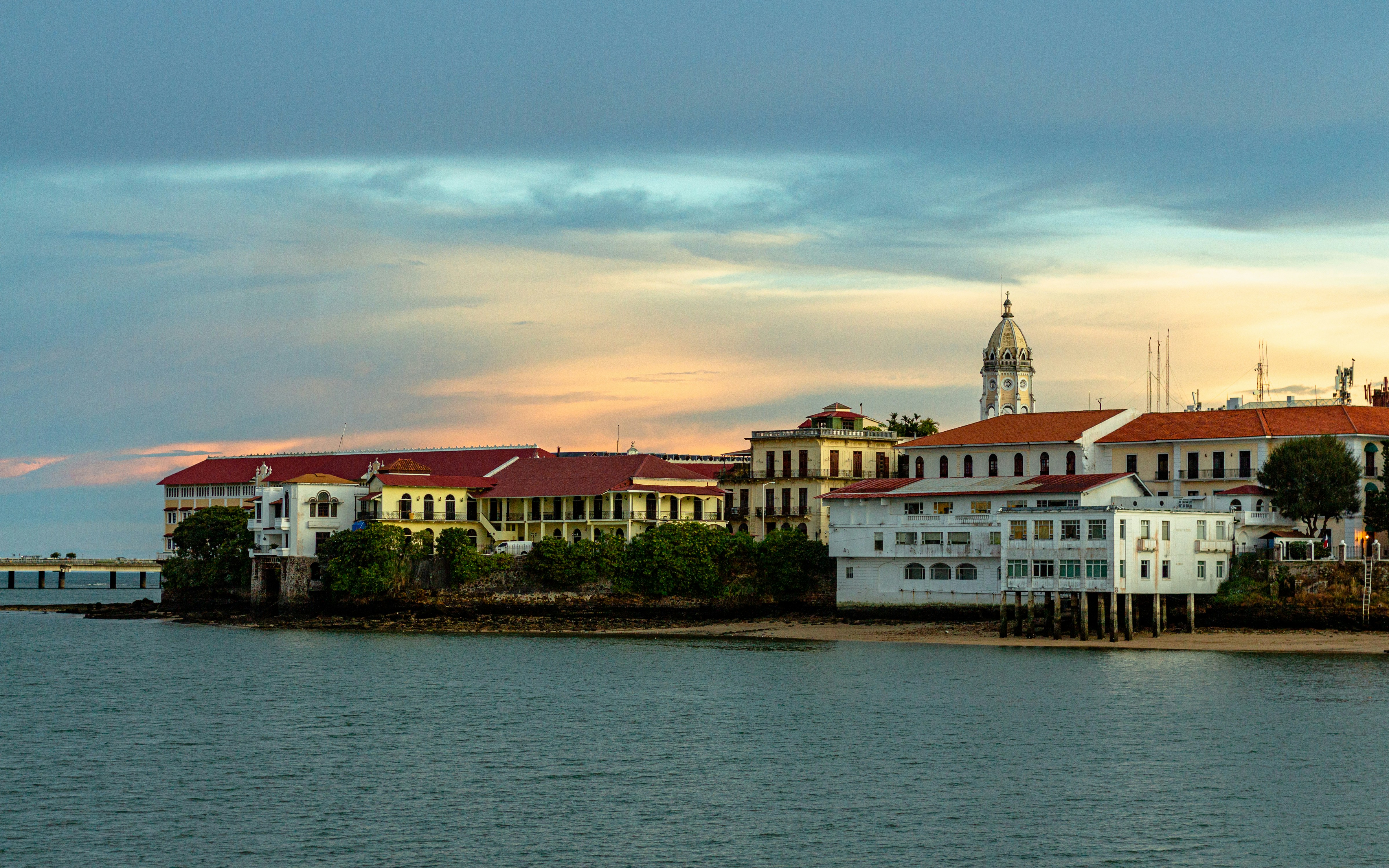

The rich tapestry of Hispanic architecture tells a story that spans centuries, weaving together indigenous traditions, Spanish colonial influences, and contemporary Latino design innovations. From the mission churches of California to the vibrant cultural centers dotting American cities today, Hispanic architectural heritage has profoundly shaped the built environment across the United States. This architectural legacy reflects not only aesthetic preferences but also the enduring cultural values, community bonds, and historical experiences of Hispanic communities throughout America.
Understanding this architectural journey requires recognizing how enduring Hispanic heritage traditions continue to influence modern design philosophy. Today's architects and designers draw inspiration from centuries-old building techniques while addressing the contemporary needs of growing Latino communities nationwide.

Welcome to United Tribes
Where Mexican Culture Comes Alive
Join Your Tribe
Connect with your people
Discover Events
Watch parties & festivals
Find Mexican Businesses
Restaurants, markets & more
Earn Crown Credits
Get rewarded for engaging
Spanish Colonial Foundations in American Architecture
The earliest Hispanic heritage buildings in what would become the United States date back to the 16th century, when Spanish colonizers established settlements throughout the Southwest and Florida. These structures introduced architectural elements that would become defining characteristics of American regional design, including red clay tile roofs, thick adobe walls, and central courtyards that fostered community interaction.
Mission Architecture and Sacred Spaces
Spanish missions represent the most iconic examples of early Hispanic architecture in America. The San Antonio Missions, including San José and San Juan Capistrano, showcase the distinctive features that define Spanish colonial sacred architecture. These buildings featured thick stone walls for climate control, bell towers that served as community focal points, and interior courtyards that created intimate gathering spaces.
The architectural significance extends beyond mere aesthetics. These Latino design principles emphasized functionality suited to local climates, using natural materials and passive cooling techniques that modern sustainable architecture now embraces. The integration of indigenous building techniques with Spanish design created a unique architectural vocabulary that continues to influence contemporary construction.
Residential Colonial Patterns
Spanish colonial homes established residential patterns still evident in Hispanic neighborhoods today. The traditional courtyard house, known as a "casa con patio," was organized around a central outdoor space that provided privacy while encouraging extended family interaction. These homes featured flat or low-pitched roofs, vigas (exposed wooden beams), and thick walls that provided thermal mass for temperature regulation.
Regional Variations of Hispanic Architectural Heritage
Hispanic architecture developed distinct regional characteristics as Spanish settlement patterns adapted to local climates, available materials, and indigenous influences. Each region developed unique interpretations of Hispanic design principles while maintaining core cultural elements.
Southwestern Adobe Traditions
The Southwest showcased the most extensive development of Hispanic architectural traditions, particularly in New Mexico, Arizona, and parts of Texas and Colorado. Adobe construction became the predominant building method, utilizing local clay and straw to create walls that could withstand extreme temperature variations. The Palace of Governors in Santa Fe, built in 1610, exemplifies this tradition with its continuous portal (covered walkway) and flat roof construction.
Modern interpretations of Southwestern Hispanic architecture continue to influence residential and commercial construction throughout the region. Contemporary architects incorporate traditional elements, such as exposed vigas, corner fireplaces (fogones), and courtyards, into modern homes that serve growing Latino communities.
Californian Mission Revival
California's interpretation of Hispanic architectural heritage evolved through the Mission Revival movement of the late 19th and early 20th centuries. This style reimagined Spanish colonial elements for modern construction, featuring red tile roofs, stucco walls, arched openings, and decorative tile work. The movement influenced everything from railroad stations to residential developments, spreading Hispanic design elements throughout California and beyond.
Florida's Spanish Colonial Legacy
Florida's Hispanic architectural heritage reflects both Spanish colonial influence and later Cuban immigration patterns. The Castillo de San Marcos in St. Augustine demonstrates military Hispanic architecture, while neighborhoods like Ybor City in Tampa showcase how Cuban immigrants adapted traditional Hispanic design elements to their new American environment.
Contemporary Latino Design Movements
Modern Latino design represents a sophisticated evolution of traditional Hispanic architectural principles, incorporating contemporary materials and construction techniques while maintaining cultural authenticity. Today's Latino architects and designers create spaces that serve as cultural anchors for Hispanic communities while addressing modern urban challenges.
Cultural Centers and Community Buildings
Contemporary Hispanic cultural centers across America demonstrate how traditional architectural elements can be used to create meaningful community spaces. The National Hispanic Cultural Center in Albuquerque features modern interpretations of adobe construction and courtyard layouts, while incorporating contemporary art installations and flexible performance spaces.
These buildings serve multiple functions within Hispanic communities, hosting Latino cultural celebrations and providing spaces where families can maintain connections to their heritage. The architectural design of these centers reflects the importance of community gathering spaces in Hispanic culture, featuring large open areas for festivals, intimate spaces for family events, and outdoor courtyards that extend living spaces into the landscape.
Modern Residential Interpretations
Contemporary Latino residential architecture adapts traditional Hispanic design principles for modern family needs. Architects working in Hispanic communities often incorporate elements such as central courtyards, covered patios, and extended family living spaces that reflect cultural values surrounding family cohesion and community interaction.
The integration of traditional color palettes, decorative tile work, and indoor-outdoor living spaces creates homes that feel culturally authentic while meeting contemporary building codes and energy efficiency standards. These designs often feature flexible spaces that can accommodate large family gatherings, home-based businesses, and multi-generational living arrangements common in Hispanic families.
Architectural Elements That Define Hispanic Design
Hispanic heritage buildings share distinctive architectural elements that create visual continuity across different regions and time periods. Understanding these elements helps identify Hispanic architectural influence in American neighborhoods and appreciate their cultural significance.
Material Traditions and Techniques
Traditional Hispanic architecture prioritized local materials and construction techniques that were suited to the regional climate. Adobe, stone, and wood construction created buildings that could withstand environmental challenges while providing comfortable living spaces. Modern interpretations often use contemporary materials to achieve similar aesthetic and functional goals.
Stucco finishes, often painted in warm earth tones or bright colors, create the characteristic appearance of Hispanic buildings. These finishes protect underlying structural materials while allowing for decorative expression through color and texture. Contemporary Latino buildings continue this tradition, using modern stucco systems and paint technologies to achieve traditional appearances with improved durability.
Decorative Arts Integration
Hispanic architecture traditionally integrated decorative arts as essential design elements rather than superficial additions. Ceramic tile work, wrought iron details, carved wooden elements, and painted murals create rich visual textures that reflect cultural traditions and artistic heritage.
Modern Latino design continues to integrate decorative arts, often featuring contemporary interpretations of traditional motifs. Cultural centers and community buildings frequently showcase local Hispanic artists through architectural integration of murals, tile work, and sculptural elements that celebrate community heritage.
Preserving and Celebrating Hispanic Architectural Heritage
The preservation of Hispanic architecture requires ongoing community involvement and cultural education. Many historic Hispanic buildings face challenges from urban development, climate change, and insufficient maintenance resources. However, growing recognition of their cultural and architectural significance has led to increased efforts at preservation and adaptive reuse projects.
Community-Led Preservation Efforts
Hispanic communities across America actively work to preserve their architectural heritage through advocacy, fundraising, and volunteer restoration work. These efforts often connect with broader community celebrations and cultural education programs that help younger generations understand the significance of their architectural heritage.
The preservation of Hispanic heritage buildings underscores the enduring significance of the Spanish language and culture in American communities. These buildings serve as tangible connections to cultural history, providing spaces where traditional practices can continue alongside modern community activities.
Educational and Tourism Initiatives
Many preserved Hispanic heritage buildings now serve as educational and tourism centers, helping to support their ongoing maintenance while sharing cultural knowledge with broader audiences. Self-guided tours, educational programs, and cultural festivals held at these sites help communities share their architectural heritage while generating support for preservation efforts.
These initiatives often connect architectural preservation with other aspects of Hispanic culture, including traditional cuisine and cultural practices. The integration of multiple cultural elements creates comprehensive experiences that help visitors understand the full scope of Hispanic contributions to American culture.
Future Directions in Latino Architecture
Contemporary Latino architects and designers continue developing new interpretations of Hispanic architectural traditions while addressing modern urban challenges. Climate change adaptation, sustainable building practices, and affordable housing development all influence the evolution of traditional design principles for future applications.
The growing recognition of Hispanic cultural contributions to American architecture has led to increased opportunities for Latino architects and designers to work on major public projects. This visibility helps ensure that Hispanic architectural traditions continue evolving rather than becoming static historical curiosities.
Understanding the distinctions within Hispanic communities, including the differences between Latino and Hispanic identities, influences how architects approach community-specific projects. Different Hispanic communities may emphasize different architectural traditions based on their countries of origin and settlement patterns in America.
Building Cultural Bridges Through Architecture
Hispanic architectural heritage embodies centuries of cultural adaptation, community values, and artistic expression that continue shaping American neighborhoods today. From colonial missions to contemporary cultural centers, these buildings tell the ongoing story of Hispanic communities building homes and gathering places that honor their heritage while embracing their American future.
Visit United Tribes today and discover more about Hispanic culture and community connections that continue to build bridges between tradition and contemporary American life.
Make United Tribes Your Preferred Source
Add United Tribes on Google to get the latest stories, cultural updates, and community events directly in your Google Search and Top Stories.


