


Food serves as one of the most powerful vessels for preserving cultural identity, and nowhere is this more evident than in the rich tapestry of Hispanic cuisine that communities have cultivated across the country. Every dish tells a story of migration, adaptation, family traditions, and the enduring spirit of Latino food heritage that connects generations to their roots. From the corn-based pupusas of El Salvador to the versatile arepas of Venezuela and Colombia, these culinary treasures carry within them the DNA of entire civilizations, offering both sustenance and a direct link to ancestral homelands.
The power of Latin American recipes extends far beyond mere sustenance; they serve as edible narratives that preserve history, celebrate identity, and foster community connections. Each ingredient, cooking technique, and family variation represents a chapter in the larger story of Latino communities in America, making every meal an opportunity to honor heritage while adapting to new circumstances and environments.
The Cultural DNA of Traditional Dishes
Traditional Hispanic dishes carry the genetic codes of civilization within their preparation methods and ingredient combinations. Pupusas, the beloved stuffed tortillas from El Salvador, embody the indigenous Pipil culture that first created them over 2,000 years ago. The masa harina, carefully kneaded and filled with cheese, beans, or chicharrón, connects modern families to pre-Columbian ancestors who developed these techniques using native corn varieties.
Similarly, the Venezuelan and Colombian arepa tells the story of indigenous communities who first ground corn into the versatile dough that would become a staple across the continent. The evolution of arepas across different regions demonstrates how a single dish can adapt while maintaining its cultural essence, with each country developing unique preparation methods and fillings that reflect local ingredients and preferences.
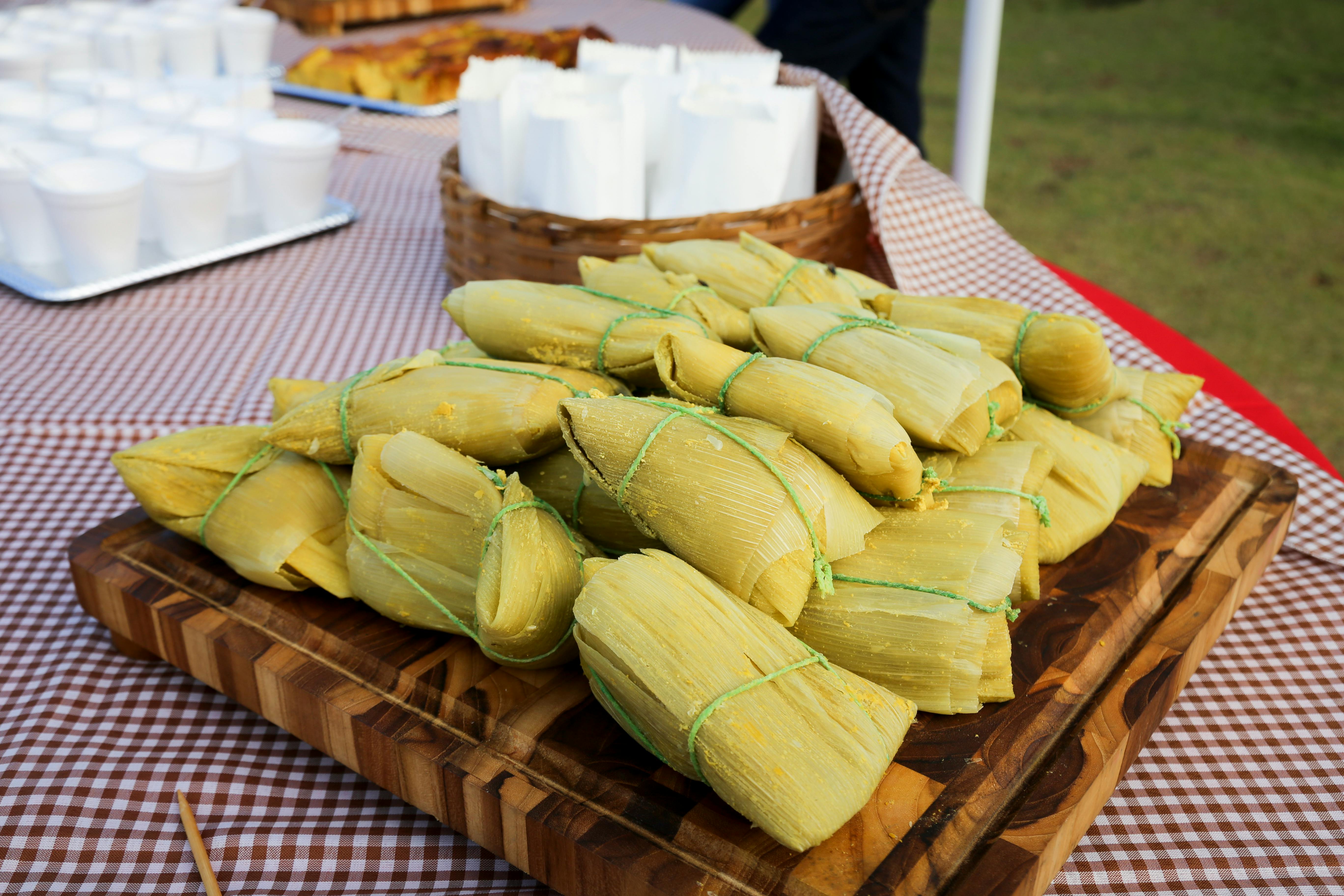
The story extends to Mexican tamales, where the corn husk wrapping and steaming process mirrors ancient Aztec cooking methods. Families gather for tamaladas, communal tamale-making sessions that serve as cultural transmission events, where recipes, stories, and traditions are passed from grandmothers to grandchildren.
Migration Stories Preserved in Recipes
Every wave of Latino immigration brought distinctive culinary traditions that tell the story of displacement, hope, and cultural preservation. Cuban families fleeing their homeland in the 1960s carried with them recipes for ropa vieja and picadillo, dishes that would become cornerstone offerings in Miami's Little Havana and beyond. These recipes serve as edible memories of a homeland left behind, maintaining cultural connections across political and geographical boundaries.
Dominican mangu and Peruvian ceviche represent similar migration narratives, where families adapted traditional recipes to available ingredients in their new American communities. The art of ceviche preparation showcases how coastal Peruvian communities brought their sophisticated understanding of citric acid curing to American tables, creating new fusion variations while respecting traditional techniques.
Puerto Rican families, despite their unique status as U.S. citizens, carry recipes like mofongo and pasteles that bridge island traditions with mainland realities. These dishes require specific ingredients, such as plantains and yautía, that families must source from specialty markets, creating an economic ecosystem that supports local Latin businesses while maintaining culinary authenticity.
The adaptation process itself becomes part of the story, as families learn to substitute ingredients while preserving essential flavors. Salvadoran families might use American cheese in their pupusas when traditional queso fresco proves unavailable, creating new variations that reflect their bicultural experience while maintaining the dish's essential character.
Regional Variations and Family Secrets
Within each national tradition, regional and family variations create micro-narratives that reflect the specific histories and personal journeys of individual communities. Mexican cuisine alone encompasses dozens of regional styles, from the mole poblano of Puebla with its complex blend of chilies and chocolate, to the fresh seafood preparations of coastal Veracruz. Mexico's diverse culinary traditions demonstrate how geography, climate, and local ingredients shape cultural expression through food.
Family secrets passed down through generations often reflect specific historical moments or personal adaptations. A Guatemalan family's particular way of preparing pepián might include a specific spice blend developed by a great-grandmother who fled civil conflict, carrying only her knowledge and a few precious seeds. These variations become part of a family's identity, distinguishing one household's version from that of its neighbors while maintaining cultural authenticity.
Argentine families bring empanada recipes that vary not only by province but by individual family traditions. The fold patterns, spice combinations, and baking versus frying preferences reveal stories of specific regions and family preferences that have been passed down across generations and continents.
The preservation of these variations within Hispanic communities creates a rich tapestry of sub-traditions that maintain diversity within broader cultural categories. Colombian families from the coast prepare sancocho differently from those from the mountains, and these distinctions remain important markers of specific regional identity within the larger Colombian-American community.
The Role of Food in Cultural Transmission
Latino food heritage serves as perhaps the most effective vehicle for cultural transmission between generations, particularly for families raising children in predominantly English-speaking environments. Cooking traditional dishes becomes a form of cultural education where children learn not just recipes but language, history, and family values simultaneously.
The kitchen becomes a classroom where Spanish vocabulary naturally emerges through the names of ingredients and cooking instructions. Words like sofrito, cilantro, and comino enter children's vocabulary organically while they observe and participate in meal preparation. This linguistic preservation happens naturally within the context of practical knowledge transfer.
Grandmothers and mothers often serve as the primary keepers of culinary knowledge, teaching not just recipes but the stories behind them. A Honduran grandmother explaining the proper preparation of baleadas might share stories of her own childhood, creating emotional connections between food preparation and family history that transcend passing down recipes.
Religious and cultural celebrations offer structured opportunities for this transmission, with specific dishes associated with holidays such as Día de los Muertos, Las Posadas, or Quinceañeras. These occasions require traditional food preparation that involves multiple family members and creates natural teaching moments for cultural preservation.
Modern Adaptations and Innovation
Contemporary Latin American recipes continue evolving within U.S. communities, creating fusion variations that reflect bicultural experiences while respecting traditional foundations. Food trucks and restaurants run by second-generation immigrants often showcase this evolution, offering dishes such as Korean-Mexican fusion tacos or Peruvian-Japanese Nikkei cuisine that reflect the globalized American food culture while maintaining their Latino roots.
Social media and online platforms have revolutionized how families share and preserve recipes, with Instagram and TikTok becoming repositories for visual recipe instructions that complement traditional oral transmission methods. Young Latino chefs and home cooks document their family recipes online, creating digital archives that ensure culinary knowledge is preserved and shared beyond immediate family circles.
The broader influence of Latin cuisine in American food culture has created opportunities for Latino entrepreneurs to introduce traditional dishes to wider audiences while maintaining cultural authenticity. This expansion creates economic opportunities while serving the goals of cultural preservation.
Restaurant owners and food entrepreneurs face the challenge of balancing authenticity with broader market appeal, often creating menu variations that honor traditional preparations while accommodating American palates and dietary preferences.
Preserving Heritage Through Community Cooking
Community organizations and cultural centers throughout Hispanic communities organize cooking classes, festivals, and collaborative events that ensure cultural knowledge remains accessible to new generations and interested community members. These events serve multiple functions: education, cultural preservation, community building, and economic development.
Cultural festivals featuring traditional food preparation demonstrate cooking techniques while creating opportunities for cultural exchange and community celebration. Events like Hispanic Heritage Month celebrations often center around food experiences that educate broader communities while affirming cultural pride within Latino populations.
Churches and community centers frequently organize cooking workshops where experienced community members teach traditional recipe preparation to younger generations and recent immigrants. These sessions provide practical skills while creating social connections that strengthen community bonds and cultural continuity.
The documentation of traditional recipes through community cookbooks creates permanent records that preserve not just ingredients and instructions but also the stories and cultural context that give these dishes their deeper meaning and significance within Latino food heritage.
Continuing Our Culinary Legacy
The stories told through Hispanic cuisine represent the resilience, creativity, and cultural pride that define Latino communities across America. From the ancient techniques preserved in pupusas to the innovative fusion creations of second-generation immigrants, these culinary traditions continue evolving while maintaining their essential cultural DNA. Each dish serves as a bridge connecting past and present, homeland and new country, creating opportunities for cultural transmission that ensure Latino food heritage remains vibrant and accessible to future generations.
Through cooking, sharing, and celebrating these dishes, Latino communities maintain their cultural identity while enriching the broader American culinary landscape. Visit United Tribes today and find out more about Hispanic culture and community connections that celebrate and preserve these essential food traditions.


