
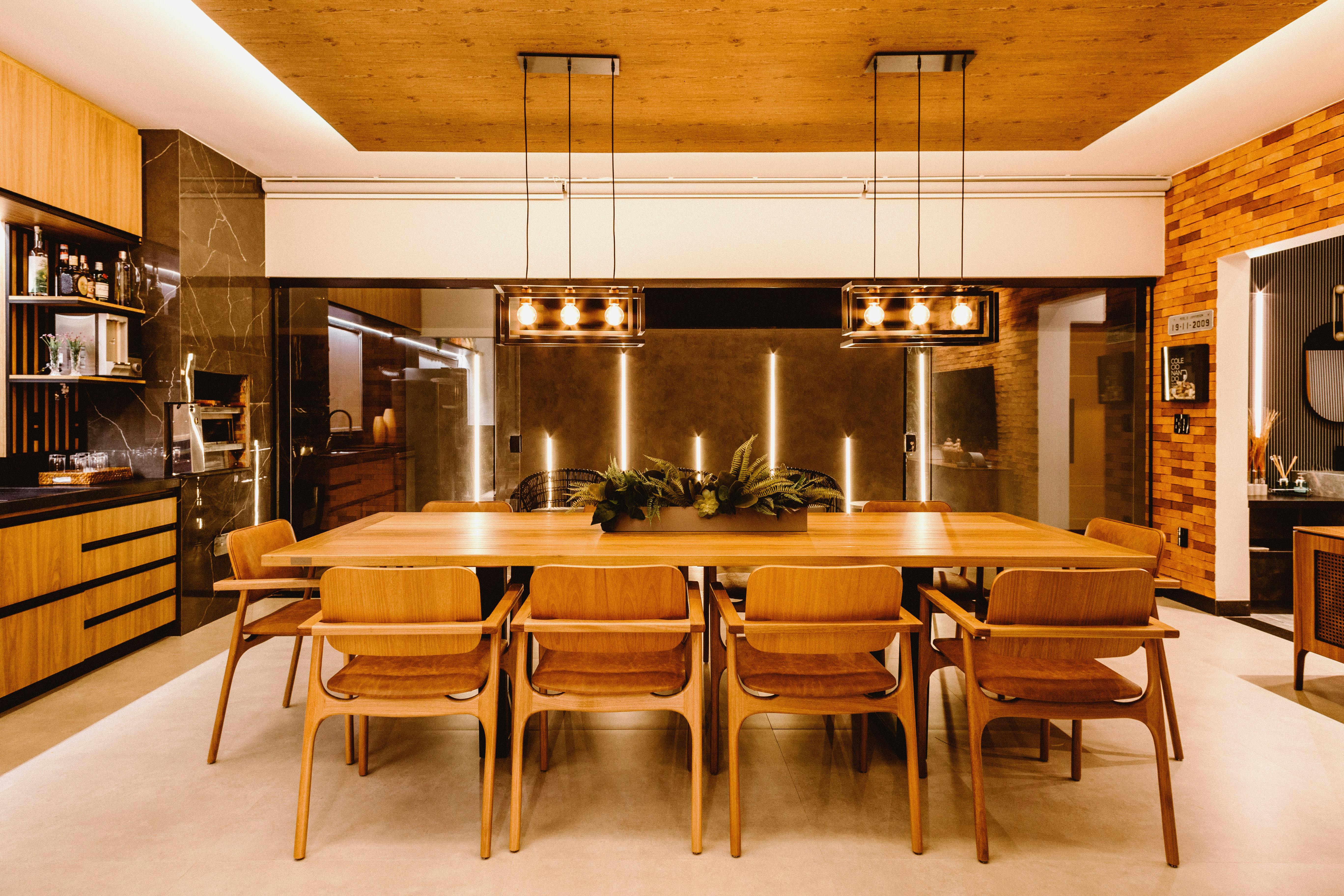


The art of creating a Hispanic home goes beyond simple decoration. It encompasses a deep understanding of how spaces can nurture relationships, honor ancestors, and maintain cultural connections in an increasingly globalized world. As Hispanic heritage traditions continue to evolve in American communities, the home remains a constant anchor for authentic cultural expression.
The Foundation of Hispanic Home Design
Hispanic traditions have created a unique approach to home design that blends indigenous, Spanish colonial, and contemporary American influences. This fusion results in spaces that feel both timeless and relevant, honoring the past while embracing modern functionality. The foundation of Hispanic home design rests on several key principles that prioritize warmth, hospitality, and family connection.
Central to this design philosophy is creating spaces that encourage gathering and conversation. Living areas are typically arranged to facilitate interaction, with comfortable seating that promotes face-to-face communication rather than isolation. This reflects the deep-rooted value placed on family relationships in Latino culture, where the home serves as the primary venue for strengthening familial bonds.
The use of natural materials forms another cornerstone of Hispanic home décor. Wood, clay, iron, and stone are prevalent in Hispanic homes, connecting inhabitants to the earth and honoring traditional craftsmanship. These materials are often left in their natural state or finished to highlight their organic beauty, creating an authentic atmosphere that speaks to generations of artisanal traditions.
Color as Cultural Expression
Color plays a transformative role in Hispanic home design, serving as both an aesthetic choice and a cultural statement. The vibrant palette commonly found in Hispanic homes draws inspiration from diverse sources: the brilliant flowers of tropical landscapes, the rich earth tones of desert regions, the deep blues of coastal waters, and the warm golden hues of sunset skies.
Terracotta and warm oranges predominate in many Hispanic living spaces, creating an immediate sense of warmth and welcome. These colors are often paired with deep reds that evoke passion and energy, reflecting the spirited nature of Hispanic culture. Golden yellows are frequently used in kitchens and dining areas, symbolizing prosperity and happiness and creating inviting spaces for meal preparation and sharing.
Blue holds special significance in many Hispanic homes, representing both spiritual protection and connection to the Virgin Mary. From pale sky blues to deep cobalt shades, this color appears in everything from accent walls to decorative tiles, often combined with white to create striking visual contrasts that feel both calming and uplifting.
The strategic use of color extends beyond simple wall painting. Textiles, artwork, pottery, and decorative objects all contribute to the overall color story of Hispanic homes. Vibrant serapes, hand-woven rugs, and colorful throw pillows add visual interest while maintaining cultural authenticity.
Sacred Spaces and Spiritual Elements
Religion and spirituality permeate Hispanic home design, creating sacred spaces that provide comfort, guidance, and protection for families. These spiritual elements are seamlessly integrated into the overall design scheme, making faith a natural part of daily life rather than something confined to formal religious settings.
Home Altars and Prayer Areas
Many Hispanic homes feature dedicated altar spaces, ranging from elaborate built-in niches to simple shelf arrangements adorned with religious imagery, candles, and fresh flowers. These altars serve as focal points for daily prayer and meditation and honor deceased family members through photographs and personal mementos.
The placement of religious artwork throughout the home creates a sense of divine presence and protection. Images of saints, crosses, and religious symbols are found in bedrooms, living areas, and, especially, in kitchens, where families gather for meals. These elements provide spiritual comfort while reinforcing cultural identity.
Protective Elements
Beyond traditional religious imagery, many Hispanic homes incorporate protective elements drawn from indigenous and folk traditions. Milagros (small metal charms) appear as decorative elements while serving their traditional purpose of seeking divine intervention for specific needs. Evil eye symbols, sacred herbs, and blessed objects create layers of spiritual protection throughout the home.
Traditional Crafts and Handmade Elements
The incorporation of traditional crafts and handmade elements distinguishes Hispanic home décor from mass-produced design trends. These authentic pieces connect families to their cultural roots while supporting artisanal traditions passed down through generations.
Hand-painted Talavera pottery brings vibrant colors and intricate patterns to Hispanic homes through vases, planters, and decorative bowls. Each piece tells a story of skilled craftsmanship while adding authentic cultural flair to any space. These ceramic works often feature traditional motifs, including flowers, birds, and geometric patterns, that have symbolic meanings within Hispanic culture.
Wrought iron work appears throughout Hispanic homes, serving both functional and decorative purposes. From ornate light fixtures to decorative wall hangings, ironwork adds texture and visual interest while honoring the metalworking traditions brought from Spain and adapted in the Americas. The dark metal provides a beautiful contrast against warm wall colors while creating dramatic shadows that add depth to interior spaces.
Textiles play a crucial role in creating authentic Hispanic interiors. Hand-woven blankets, embroidered pillows, and traditional rugs add comfort and color while preserving textile traditions. These pieces often feature patterns and techniques specific to particular regions, allowing families to maintain connections to their specific cultural origins.
Creating Gathering Spaces
The Latino lifestyle emphasizes community and togetherness, principles reflected in the design and arrangement of Hispanic homes. Every room serves the dual purpose of functionality and hospitality, creating environments where family and friends naturally want to gather and linger.
Kitchen as Cultural Heart
In Hispanic homes, the kitchen transcends its practical purpose to become the cultural and social heart of the household. These spaces are designed to accommodate multiple people engaged in food preparation, conversation, and supervision of children. Large islands or extended counter spaces enable communal cooking experiences in which traditional recipes are shared, and cultural knowledge is passed down.
The kitchen often features open sightlines to other living areas, ensuring the cook remains connected to family activities throughout the home. This design philosophy reflects the reality that in Hispanic culture, food preparation is rarely a solitary activity but rather an opportunity for bonding and cultural transmission.
Outdoor Living Integration
Many Hispanic homes blur the boundaries between indoor and outdoor living spaces, creating seamless transitions that capitalize on favorable climates while encouraging outdoor gatherings. Patios, courtyards, and covered porches are treated as extensions of interior living areas, furnished with comfortable seating and decorated with the same attention to detail as indoor spaces.
This emphasis on outdoor living reflects both practical considerations and cultural values. Historically, outdoor spaces provided relief from indoor heat while offering venues for large family gatherings. Today, these spaces continue to serve as important venues for community celebration and connection.
Modern Adaptations and Contemporary Influences
As Hispanic families continue to thrive in American communities, Hispanic traditions are evolving to incorporate contemporary design elements while maintaining cultural authenticity. This evolution creates exciting opportunities for creative expression that honors the past while embracing current lifestyle needs.
Modern Hispanic homes often feature updated color palettes that maintain traditional warmth while incorporating contemporary neutrals. Sage greens, warm grays, and cream colors provide sophisticated backdrops for traditional decorative elements, creating spaces that feel both current and culturally grounded.
Technology integration presents both challenges and opportunities for maintaining traditional Hispanic home values. Smart home features are being integrated to enhance, rather than replace, traditional gathering patterns. For example, whole-home audio systems allow traditional music to flow throughout living spaces, while smart lighting can highlight religious artwork and family photographs.
Contemporary furniture pieces are being selected and arranged to support traditional Hispanic lifestyle patterns. Modern sectional sofas are configured to encourage conversation, while dining tables are sized to accommodate extended family gatherings. The key lies in choosing pieces that serve cultural functions regardless of their aesthetic style.
Preserving Heritage Through Design
Hispanic home décor is a powerful tool for cultural preservation, helping families maintain connections to their heritage while adapting to American life. This preservation happens both consciously and unconsciously as families make design choices that feel familiar and comfortable.
The display of family photographs, heirloom objects, and cultural artifacts creates visual narratives that help younger generations understand their history and identity. These displays evolve, incorporating new memories while maintaining connections to ancestral traditions.
Many Hispanic families prioritize purchasing furniture and decorative items from local Latin-owned businesses, creating economic networks that support cultural preservation while ensuring authenticity in their homes. This practice strengthens community bonds while maintaining cultural integrity in design choices.
Regional Variations and Specific Traditions
The diversity within Hispanic culture creates rich variations in home design traditions that reflect specific regional and national origins. Mexican-American homes might feature Saltillo tile floors, Oaxacan textiles, and Day of the Dead decorative elements. Cuban-American households often incorporate tropical colors, wicker furniture, and imagery reflecting island life.
Puerto Rican homes frequently showcase vejigante masks, tropical plant motifs, and bright Caribbean colors that celebrate island culture. These regional differences ensure that Hispanic home décor remains diverse and specific rather than generic, allowing families to maintain connections to their particular cultural origins.
Understanding and respecting these variations prevents the homogenization of Hispanic design traditions and encourages appreciation of the rich diversity within Hispanic culture. This specificity also helps preserve unique traditions that might otherwise be lost in broader cultural generalizations.
Contemporary Hispanic designers are working to document and preserve these regional variations while creating new interpretations that serve modern families. This work ensures that traditional knowledge remains accessible while continuing to evolve in relevant directions.
The influence of Latin cuisine culture extends into home design through specialized kitchen features, dining room arrangements, and storage solutions that accommodate traditional cooking methods and ingredients. These functional considerations ensure that homes support cultural practices while meeting contemporary needs.
Connecting Heritage Through Home Design
Hispanic home décor represents a living tradition that connects families to their heritage while creating welcoming spaces for community building. Through thoughtful integration of color, spiritual elements, traditional crafts, and modern adaptations, Hispanic homes become powerful expressions of cultural identity and family values. These design traditions continue to evolve as families balance preservation of authentic cultural elements with contemporary American lifestyle needs.
Visit United Tribes today to learn more about Hispanic culture and community connections, and to celebrate the rich traditions that continue to flourish across America.


