
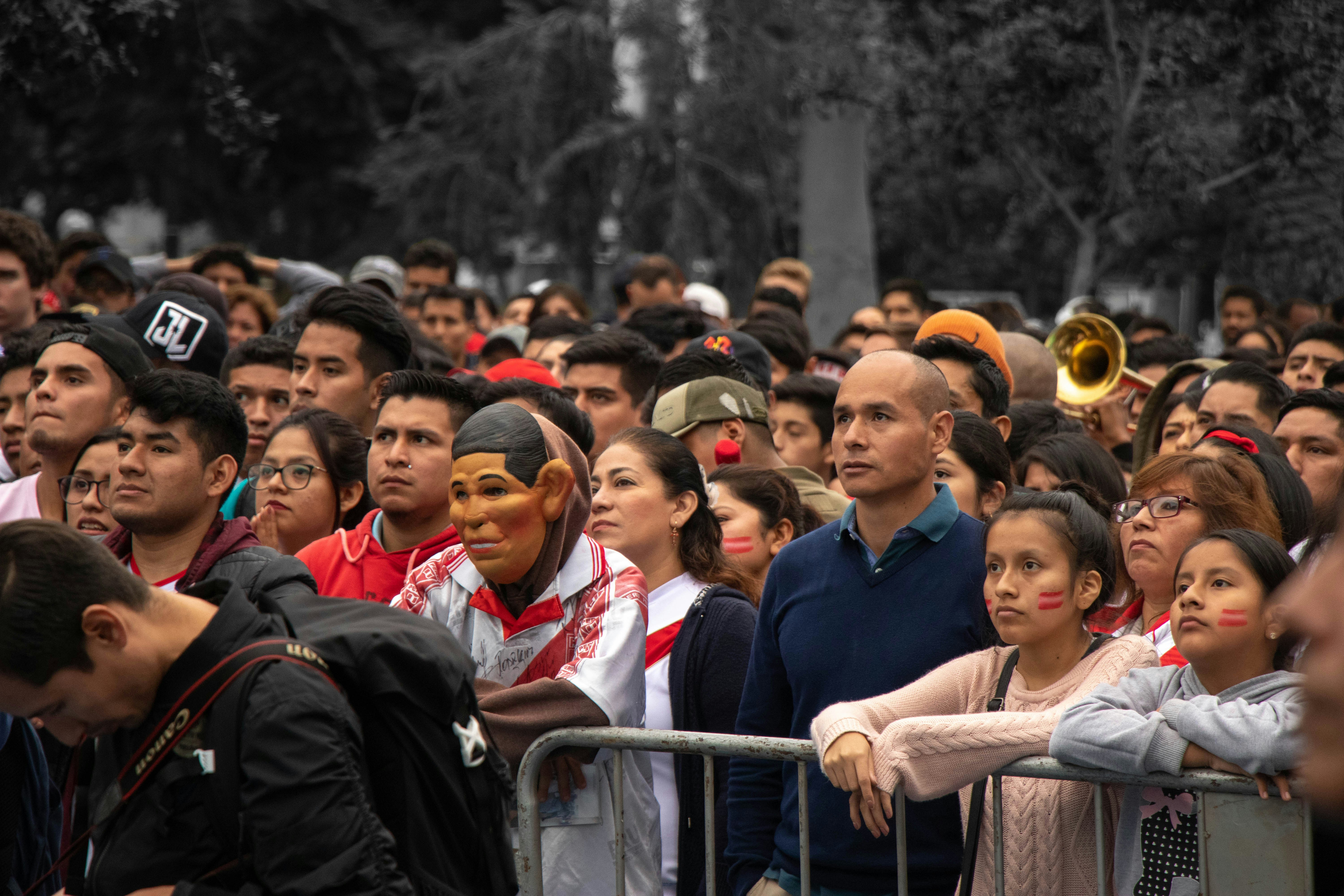

The ancient art of Hispanic storytelling has traveled thousands of miles from Latin America to find new life in the United States. Passed down through generations, these oral traditions continue to flourish within diaspora communities, serving as bridges between ancestral homelands and modern American experiences. From intimate family gatherings to community festivals, Latino oral tradition remains a vital force in preserving cultural identity and strengthening community bonds across the country.
The Deep Roots of Hispanic Oral Storytelling
Hispanic storytelling encompasses a rich tapestry of narrative traditions that originated across diverse regions of Latin America. These stories carry the DNA of indigenous civilizations, Spanish colonial influences, and African heritage, creating a unique blend of cultural expressions that have survived centuries of change.

Welcome to United Tribes
Where Mexican Culture Comes Alive
Join Your Tribe
Connect with your people
Discover Events
Watch parties & festivals
Find Mexican Businesses
Restaurants, markets & more
Earn Crown Credits
Get rewarded for engaging
Cuentos populares (folk tales) form the backbone of this tradition, featuring legendary figures like La Llorona, El Cucuy, and Juan Bobo. These stories served multiple purposes in their original contexts: entertaining children, teaching moral lessons, preserving historical memory, and maintaining connections to spiritual beliefs. In the United States, these same narratives continue to fulfill these essential functions while adapting to new realities.
The storytelling tradition also includes dichos (sayings), adivinanzas (riddles), and leyendas (legends) that encode practical wisdom, cultural values, and collective memory. Many U.S.-based Hispanic families maintain these practices during regular gatherings, ensuring that younger generations remain connected to their cultural roots while navigating their American identities.
Regional Variations in American Communities
Different Hispanic communities across the United States have preserved distinct storytelling traditions reflecting their countries of origin. Mexican-American families often share tales of revolutionary heroes, border legends, and stories that celebrate Latino heritage, emphasizing resilience and cultural pride.
Puerto Rican communities maintain jíbaro stories that celebrate rural wisdom and a connection to the land. At the same time, Cuban-American families often share narratives about pre-revolutionary Cuba and the journey to freedom. Central American communities share stories that reflect indigenous cosmology and survival narratives, which resonate with contemporary immigrant experiences.
These regional variations enrich the broader Hispanic-American culture landscape, creating opportunities for cross-cultural learning and appreciation within Latino communities. Community centers, cultural organizations, and festivals regularly feature storytelling events that celebrate this diversity.
Family Kitchens as Storytelling Sanctuaries
The heart of Hispanic storytelling in American homes remains the kitchen, where generations gather during meal preparation and family dinners. These intimate spaces become stages for abuela's (grandmother's) tales, where recipes and stories blend to nourish both body and spirit.
Las sobremesas, the tradition of lingering at the table after meals, provides natural opportunities for storytelling. During these extended conversations, family members share personal anecdotes, recount ancestral stories, and create new narratives that blend American experiences with traditional themes. Children absorb these stories alongside the aromas of traditional cuisine, creating multisensory memories that anchor their cultural identity.
Many families have adapted these practices to accommodate busy American lifestyles. Weekend gatherings, holiday celebrations, and special occasions become concentrated storytelling sessions where multiple generations exchange narratives. Some families have embraced technology, recording elder family members sharing traditional stories to preserve them for future generations.
The integration of Latino oral tradition with daily family life helps children develop bilingual storytelling abilities, switching between Spanish and English depending on their audience and the specific cultural nuances they wish to convey. This linguistic flexibility demonstrates the dynamic nature of oral traditions in diaspora communities.
Community Events and Cultural Festivals
Hispanic communities across the United States have established numerous venues for public storytelling, which strengthen community bonds and celebrate shared heritage. Día de los Muertos celebrations often feature storytelling circles where community members share memories of deceased loved ones, keeping their spirits alive through narrative.
Cultural centers and libraries regularly host cuentacuentos (storytelling) events where professional storytellers and community elders share traditional tales with audiences of all ages. These events serve multiple purposes: educating non-Hispanic audiences about Latino culture, providing Hispanic children with positive cultural role models, and fostering intergenerational connections among diverse communities.
Hispanic Heritage Month celebrations frequently incorporate storytelling competitions, workshops, and performances that showcase the diversity of Latino narrative traditions. These events help younger generations develop confidence in their cultural identity while learning the art of public storytelling.
Many communities organize noches de cuentos (story nights) in local parks, community centers, and cultural venues. These gatherings recreate the communal atmosphere of traditional storytelling while adapting to urban American environments. Building community one celebration at a time remains essential for preserving these meaningful traditions.
School and Educational Programs
Forward-thinking educators have recognized the value of incorporating Hispanic storytelling into classroom curricula. Bilingual education programs often utilize traditional tales as instructional tools to promote language development, cultural awareness, and literacy skills.
After-school programs and summer camps in Hispanic communities frequently feature storytelling workshops where children learn traditional tales and develop their own narratives combining ancestral themes with contemporary experiences. These programs help bridge the gap between home and school cultures.
Poetry and Spoken Word Traditions
Hispanic-American culture has embraced spoken word and slam poetry as modern extensions of traditional oral storytelling. Young Latino poets across the United States blend ancestral narrative techniques with contemporary urban experiences, creating powerful performances that resonate with both their heritage and current social realities.
Décimas, traditional ten-line Spanish verses, continue to thrive in Puerto Rican and Cuban-American communities. Master decimistas (décima poets) perform at cultural events, teaching younger generations this demanding poetic form that requires quick thinking, cultural knowledge, and linguistic dexterity.
The tradition of corridos, narrative ballads that tell stories of heroes, outlaws, and social issues, has evolved in Mexican-American communities to address contemporary themes like immigration, labor rights, and cultural identity. Modern corrido performers often blend traditional instrumentation with contemporary musical styles.
Poetry circles and open mic nights in Latino neighborhoods provide platforms for emerging storytellers to share their narratives. These venues encourage experimentation with traditional forms while addressing current community concerns and celebrating cultural resilience.
Digital Preservation and Modern Adaptations
Technology has opened new avenues for preserving and sharing Latino oral tradition. Social media platforms enable families to record and share traditional stories with relatives across geographical distances. YouTube channels dedicated to Hispanic folklore have gained substantial followings, reaching audiences far beyond traditional community boundaries.
Podcast series featuring traditional Hispanic tales have emerged as popular media formats, often featuring bilingual narratives that serve both heritage speakers and those learning about Latino culture. These digital formats ensure the preservation of stories while reaching new audiences.
Community organizations have launched digital archival projects documenting elder community members sharing traditional stories. These recordings serve as valuable cultural repositories while providing resources for educators and researchers studying Hispanic oral tradition.
Virtual storytelling events became particularly important during the pandemic, enabling communities to maintain their narrative traditions despite social distancing requirements. Many of these online formats have continued, expanding the reach of traditional stories to diaspora communities worldwide.
Intergenerational Transmission Challenges and Solutions
Maintaining oral storytelling traditions faces unique challenges in the United States, where younger generations may feel more comfortable expressing themselves in English than in Spanish. Many families have developed creative solutions, including bilingual storytelling sessions and English adaptations of traditional tales that maintain cultural essence while accommodating linguistic preferences.
Code-switching, or alternating between Spanish and English within stories, has become a natural adaptation that reflects the bilingual reality of many Hispanic-American families. This linguistic flexibility demonstrates the dynamic evolution of oral traditions in multicultural environments.
The family's role in Latino culture remains crucial for the transmission of storytelling traditions, with extended family networks providing multiple sources for traditional narratives and cultural knowledge.
Keeping Stories Alive Through Community
Hispanic storytelling traditions continue to thrive in the United States through the dedication of families, communities, and cultural organizations committed to preserving these vital connections to ancestral heritage. From intimate kitchen conversations to vibrant festival celebrations, the Latino oral tradition adapts and evolves while maintaining its essential role in shaping cultural identity and fostering community. The success of these preservation efforts demonstrates the resilience of Hispanic-American culture and its ability to flourish across generations.
These storytelling traditions serve as powerful reminders that culture is not merely preserved in museums or books, but lives actively in the voices, memories, and daily practices of community members. As Hispanic communities continue to grow and evolve throughout the United States, their oral traditions provide anchoring points that connect past, present, and future, while celebrating the rich diversity within Latino heritage.
Visit United Tribes today and discover more about Hispanic culture and community events that celebrate these rich storytelling traditions.
Make United Tribes Your Preferred Source
Add United Tribes on Google to get the latest stories, cultural updates, and community events directly in your Google Search and Top Stories.


