
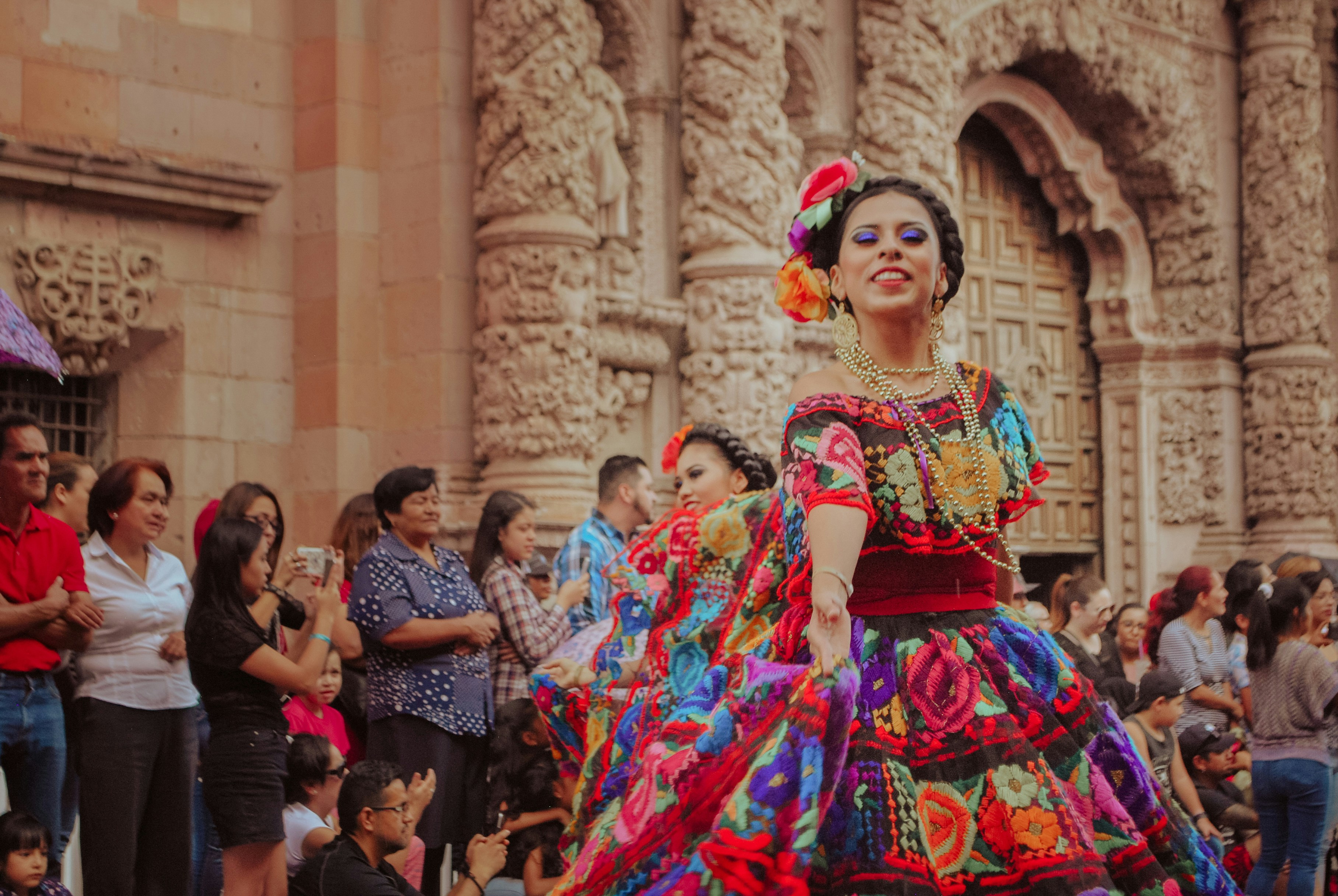

While colorful festivals and public celebrations capture attention, the true heart of Hispanic family traditions beats strongest within the walls of family homes across America. From the morning ritual of café con leche to evening prayers shared around the dinner table, Latino home culture thrives through intimate moments that shape identity and preserve heritage for future generations.
The Sacred Role of Food in Daily Life
Hispanic family traditions centered around cooking create powerful bonds that transcend generations. Grandmothers pass down secret recipes through touch and taste rather than written instructions, teaching daughters and granddaughters to feel when masa reaches the perfect consistency or recognize the exact moment when sofrito achieves its ideal color.

Welcome to United Tribes
Where Mexican Culture Comes Alive
Join Your Tribe
Connect with your people
Discover Events
Watch parties & festivals
Find Mexican Businesses
Restaurants, markets & more
Earn Crown Credits
Get rewarded for engaging
Morning routines often begin with preparing traditional breakfasts that vary by region but share common elements of care and tradition. Mexican families might start with fresh tortillas and eggs, while Cuban households prepare café Cubano with practiced precision. Puerto Rican families often begin their day with mallorca or tostadas, each bite connecting them to their island heritage.
The evening meal becomes a sacred gathering where Latino home culture flourishes. Family members share stories, discuss daily events, and reinforce cultural values while enjoying dishes perfected over generations. The influence of Latin cuisine in the US extends far beyond restaurant menus, finding its true expression in these intimate family settings.
Weekend Cooking Traditions
Weekends transform Hispanic kitchens into cultural classrooms where complex dishes require hours of preparation and participation from multiple family members. Saturday mornings might involve making tamales, a process that brings extended family together in an assembly-line of spreading masa, adding filling, and wrapping in corn husks. This tradition teaches patience, teamwork, and the value of collective effort while preserving ancient techniques.
Sunday dinners often feature elaborate meals that showcase regional specialties. Dominican families might prepare sancocho, while Colombian households focus on bandeja paisa. These meals require planning, shopping at specific markets, and dedicating entire days to preparation, demonstrating the priority placed on maintaining cultural connections through food.
Language as a Living Bridge
Hispanic family traditions rely heavily on preserving and transmitting the Spanish language through daily interactions, storytelling, and cultural expressions.
Many Hispanic households establish language rules that ensure children remain bilingual and culturally connected. Some families designate Spanish-only days or require children to speak Spanish when addressing grandparents. These practices maintain linguistic connections while helping children navigate between their heritage culture and American society.
Traditional sayings and proverbs become teaching tools that convey wisdom and cultural values. Phrases like "El que madruga, Dios lo ayuda" (God helps those who rise early) or "Camarón que se duerme, se lo lleva la corriente" (The shrimp that falls asleep gets carried away by the current) impart life lessons while maintaining cultural linguistic traditions.
Storytelling and Oral Traditions
Evening storytelling sessions preserve cultural narratives and family history. Grandparents share tales of their homelands, describing landscapes, customs, and family members who remained behind. These stories create emotional connections to places many children have never visited while establishing cultural pride and identity.
Religious stories, folklore, and traditional legends become part of children's cultural education. Tales of La Llorona, El Cucuy, or regional folk heroes serve both as entertainment and cultural instruction, teaching moral lessons while maintaining connections to ancestral storytelling traditions.
Religious and Spiritual Practices at Home
Latino home culture integrates religious and spiritual practices into daily routines, creating sacred spaces that reflect deep faith traditions. Many Hispanic families maintain home altars adorned with religious images, candles, and family photographs, creating focal points for daily prayers and reflection.
Evening prayers bring families together in moments of gratitude and petition. Children learn traditional prayers in Spanish, maintaining linguistic connections while developing spiritual foundations. These practices create daily rhythms that prioritize family unity and spiritual growth over individual pursuits.
Religious observances extend beyond Sunday church attendance to include daily devotions, novenas, and seasonal celebrations that transform homes into places of worship. Families might dedicate specific months to particular saints or engage in traditional devotional practices that connect them to generations of believers.
Seasonal Home Celebrations
Christmas celebrations in Hispanic households begin with Las Posadas and extend through Día de los Reyes, creating weeks of home-centered traditions. Families construct elaborate nativity scenes, prepare traditional foods like ponche or champurrado, and engage in nightly prayers and celebrations that strengthen family bonds while observing religious traditions.
During Lent, many Hispanic families transform their eating habits and daily routines to reflect spiritual preparation. These changes affect entire households and create opportunities for children to understand sacrifice, community, and spiritual discipline through family participation rather than individual observation.
Celebrating Life's Milestones
Hispanic family traditions transform personal milestones into community celebrations that strengthen family bonds and cultural identity. Quinceañeras represent perhaps the most significant of these celebrations, marking a young woman's transition to adulthood through elaborate ceremonies that combine religious observance with cultural pride.
Planning a quinceañera involves entire extended families and can take months or years of preparation. Families save money, select themes that reflect cultural heritage, and coordinate celebrations that honor both religious faith and cultural identity. The quinceañera celebration planning process brings families together in shared purpose while teaching young women about their cultural heritage and family values.
Birthdays, baptisms, first communions, and graduations become opportunities for families to gather, celebrate achievements, and reinforce cultural values. These celebrations often feature traditional foods, music, and customs that connect participants to their heritage while marking important life transitions.
Extended Family Integration
Latino home culture emphasizes extended family involvement in daily life and special celebrations. Grandparents, aunts, uncles, and cousins maintain active roles in child-rearing, decision-making, and cultural transmission. This involvement creates support networks that extend far beyond nuclear families.
Weekly family gatherings at grandparents' homes or rotating Sunday dinners at different relatives' houses maintain these connections. Children grow up understanding their place within larger family structures while learning about cultural expectations, responsibilities, and privileges that come with family membership.
Music and Arts in Daily Life
Music permeates Hispanic family traditions through daily routines, celebrations, and cultural instruction. Many families incorporate traditional music into household activities, playing regional genres while cooking, cleaning, or relaxing together. Children absorb rhythms, melodies, and lyrics that connect them to their cultural heritage.
Instruments often find their way into family gatherings, where relatives share musical talents and teach younger generations traditional songs. Guitars, accordions, or other culturally significant instruments become family treasures that pass from generation to generation along with the skills to play them.
Dance instruction happens naturally during family celebrations and gatherings. Children learn traditional dances by participating in family parties rather than through formal instruction, absorbing cultural movements and expressions through observation and practice.
Supporting Cultural Continuity
Preserving Hispanic family traditions requires intentional effort and community support. Families often seek out cultural resources, language classes, and community organizations that reinforce home-based cultural practices. Supporting local Latin businesses becomes part of this cultural preservation effort, as families patronize markets, restaurants, and services that reflect their heritage values.
Many Hispanic families create cultural libraries within their homes, collecting books, music, and artifacts that represent their heritage. These collections become educational resources that supplement school learning with cultural content that reflects family values and traditions.
Preserving Heritage Through Daily Life
The strength of Hispanic family traditions lies not in grand public displays but in the quiet consistency of daily practices that shape identity and preserve culture. From morning coffee rituals to evening prayers, from weekend cooking marathons to impromptu dance sessions in the living room, Latino home culture lays the foundation for cultural identity. These intimate traditions ensure that heritage survives and thrives across generations, adapting to new circumstances while maintaining essential connections to ancestral wisdom.
Visit United Tribes today to learn more about Hispanic culture and community connections that celebrate both public festivities and the beautiful traditions that flourish in family homes across America.
Make United Tribes Your Preferred Source
Add United Tribes on Google to get the latest stories, cultural updates, and community events directly in your Google Search and Top Stories.


