
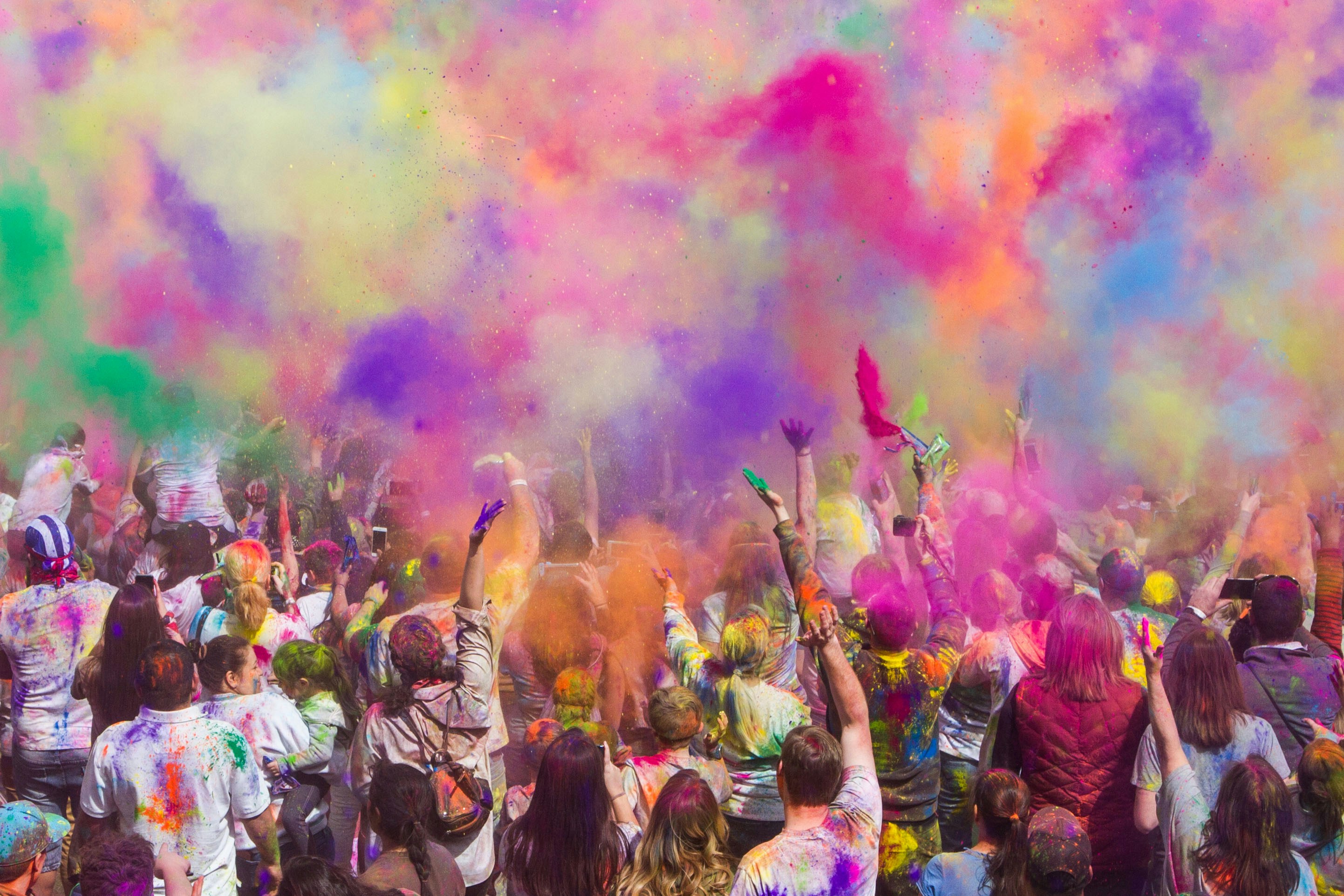

The Festival of Colors stands as one of India's most joyous and vibrant celebrations, bringing communities together in a spectacular display of unity, love, and cultural heritage. As we approach Holi 2026, which falls on March 14th, Indian communities across the United States are preparing for this magnificent celebration that transcends geographical boundaries and connects diaspora families to their roots.
The Sacred Story Behind Holi
Holi traditions and meaning are deeply rooted in Hindu mythology, with the most prominent legend centering around Prahlad and his devotion to Lord Vishnu. The story recounts the evil King Hiranyakashipu, who demanded worship from his subjects but was defied by his own son, Prahlad, a devoted follower of Vishnu. When the king's sister Holika, who was immune to fire, attempted to burn Prahlad alive, her powers failed because of her evil intentions, while Prahlad emerged unharmed through divine protection.

Welcome to United Tribes
Where Indian Culture Comes Alive
Join Your Tribe
Connect with your people
Discover Events
Watch parties & festivals
Find Indian Businesses
Restaurants, markets & more
Earn Crown Credits
Get rewarded for engaging
This powerful narrative explains why the first day of Holi, called Holika Dahan, involves lighting bonfires that symbolize the destruction of evil and the victory of devotion and righteousness. Communities gather around these sacred fires, offering prayers and performing traditional rituals passed down through generations.
The festival also celebrates the divine love between Lord Krishna and Radha, particularly in regions like Vrindavan and Mathura. Krishna's playful nature and his legendary pranks with colored powders established many of the joyful traditions that make Holi such a beloved celebration.
Regional Variations Across India
India's diverse cultural landscape creates fascinating regional variations in Holi celebrations, each adding unique flavors to this universal festival. In Uttar Pradesh, particularly in Mathura and Vrindavan, celebrations last for weeks, featuring elaborate processions, traditional folk music, and the famous Lathmar Holi, in which women playfully beat men with sticks.
Gujarat showcases Holi through energetic Garba dancing and community gatherings that blend traditional elements with contemporary celebrations. The state's vibrant culture infuses the festival with additional layers of music, dance, and community participation that reflect Gujarati hospitality and joy.
In Rajasthan, Holi takes on royal dimensions with magnificent palace celebrations and traditional Rajasthani folk performances. The desert state's version includes unique customs, such as the burning of winter crops, and special regional delicacies that complement the color festivities.
Bengal celebrates Holi as Dol Jatra, incorporating beautiful processions with decorated idols of Krishna and Radha, accompanied by traditional Bengali sweets and cultural programs. The celebration emphasizes artistic expression through music, poetry, and dance performances that showcase Bengal's rich cultural heritage.
Maharashtra adds its own twist with celebrations that include traditional Maharashtrian cuisine and folk dances, while Punjab infuses Holi with Bhangra music and hearty Punjabi hospitality. These regional differences demonstrate how Indian communities across America can honor their specific cultural backgrounds while participating in the broader Holi celebration.
Music and Food Highlights
The soundtrack of Holi features traditional folk songs, Bollywood hits, and devotional music, creating an atmosphere of pure celebration. Classical Holi songs like "Rang Barse" and "Holi Khele Raghuveera" echo through community gatherings, while modern Bollywood tracks add contemporary energy to the festivities.
Traditional instruments, including the dhol, tabla, and harmonium, provide a rhythmic foundation for community singing and dancing. Many Indian American communities organize live musical performances featuring local artists who specialize in Holi songs, creating authentic soundscapes that transport participants back to their homeland celebrations.
Food plays an integral role in Holi celebrations, with special delicacies prepared specifically for this occasion. Gujiya, sweet dumplings filled with khoya and dried fruits, represent the most iconic Holi treat. These crescent-shaped delights require skilled preparation and are often made collectively by families and community groups.
Thandai, a refreshing drink made with milk, nuts, and aromatic spices, serves as the traditional beverage of choice. This cooling drink helps balance the excitement of color play while providing nourishment during active celebrations. Many families prepare special versions with almonds, cardamom, fennel seeds, and rose petals.
Other essential Holi foods include mathri (savory crackers), shakkar pare (sweet diamond-shaped treats), dahi bhalla (yogurt-soaked lentil dumplings), and various regional specialties that reflect the diverse culinary traditions within Indian communities. The preparation of these foods often becomes a community activity, with neighbors and friends gathering to cook together in the days leading up to Holi.
What to Wear to Holi
Choosing appropriate attire for Holi requires balancing comfort, practicality, and respect for the festival's traditions. What to wear to Holi primarily depends on embracing white or light-colored clothing that showcases the vibrant colors applied during celebrations. White cotton clothes provide the perfect canvas for color application while remaining comfortable throughout active festivities.
Cotton fabrics work best because they're breathable, absorb color effectively, and withstand the required washing. Avoid synthetic materials that may react poorly with organic colors or become uncomfortable when wet. Many participants choose old clothes they don't mind getting permanently stained, as some colors may not wash out completely.
Traditional options include white kurtas and pajamas for men, while women often choose white cotton salwar kameez, simple sarees, or comfortable lehengas. These traditional garments connect participants to cultural authenticity while providing appropriate coverage and comfort for outdoor celebrations.
Footwear considerations are crucial since Holi involves water play and potentially muddy conditions. Waterproof sandals or old shoes that can get wet and dirty work best. Avoid wearing expensive or leather footwear that could be damaged by color transfer or water.
Protective accessories enhance the Holi experience while safeguarding personal items. Sunglasses protect eyes from color powder, while bandanas or old scarves can protect hair. Consider wearing a watch you don't mind getting colorful, and leave valuable jewelry at home to prevent damage or loss during enthusiastic celebrations.
Color Safety and Health Tips
Understanding how to celebrate Holi safely helps ensure the joyous festival remains enjoyable for all participants while minimizing potential health risks. The key lies in choosing appropriate colors and taking proper precautions before, during, and after celebrations.
Natural and organic colors represent the safest choice for Holi celebrations. Traditional colors made from turmeric (yellow), beetroot (red), henna (orange), and indigo (blue) provide vibrant options without harmful chemicals. Many Indian stores now stock certified organic colors specifically designed for safe skin contact.
Avoid synthetic colors that may contain lead, mercury, or other toxic substances that can cause skin irritation, allergic reactions, or more serious health problems. Industrial dyes and unknown color sources should never be used for Holi celebrations, especially when children are participating.
Skin protection strategies include applying an oil or moisturizer to exposed skin before applying color. Coconut oil, mustard oil, or heavy moisturizing creams create protective barriers that make color removal easier while preventing skin damage. Pay special attention to sensitive areas like the face, neck, and hands.
Eye and respiratory safety requireavoiding ctheapplication nof color ear the eyes and mouth. Encourage gentle color application rather than throwing handfuls of powder directly at faces. Participants with respiratory sensitivities should consider wearing masks in areas with high concentrations of color dust.
Post-celebration care includes thorough cleansing with mild soap and lukewarm water. Avoid harsh scrubbing, which can irritate color-stained skin. Use natural cleansers, such as gram flour (besan) mixed with milk or curd, to gently remove stubborn pigments while nourishing the skin.
Community Celebrations in Parks and Temples
Indian communities across America have established beautiful traditions of celebrating Holi in public spaces that welcome participation from both Indian families and curious neighbors interested in experiencing this colorful festival. Public park celebrations typically feature organized activities, music, food vendors, and designated areas for color play that accommodate large gatherings safely.
Many cities with significant Indian populations host annual Holi festivals in major parks, complete with stage performances, traditional music, and cultural demonstrations that educate attendees about the festival's significance. These events often include family-friendly activities, children's programs, and opportunities for people of all backgrounds to participate respectfully in the celebrations.
Temple celebrations offer more traditional, spiritually focused Holi experiences, beginning with morning prayers and religious ceremonies that honor the festival's sacred aspects. Hindu temples across America organize community gatherings that combine devotional activities with joyful color celebrations, creating spaces where families can maintain religious connections while celebrating with their community.
Temple celebrations often feature special pujas (prayer ceremonies), devotional singing, and traditional food offerings, providing authentic cultural experiences for families seeking to pass down religious traditions to younger generations. These gatherings strengthen community bonds while preserving important spiritual aspects of Holi that might be overlooked in purely recreational celebrations.
Many community centers and cultural organizations also host Holi events that bridge traditional celebrations with contemporary American contexts. These gatherings often include educational components that explain Holi's significance to non-Indian participants, fostering cultural understanding and community integration.
Planning Your Holi 2026 Experience
The preparation timeline should begin at least two weeks before the festival. Source organic colors from Indian grocery stores or online suppliers, plan your outfit, and coordinate with friends and family who want to participate. Many communities organize group purchases of colors and traditional foods to ensure everyone has access to authentic celebration materials.
Consider attending multiple celebrations in your area, such as a traditional temple ceremony in the morning, followed by a larger community park celebration in the afternoon. This approach allows you to experience different aspects of Holi while maximizing your cultural immersion.
The festival atmosphere becomes even more meaningful when shared with others who appreciate both its spiritual significance and its joyful nature, much like other important cultural celebrations that bring communities together throughout the year, including festivals that celebrate renewal and community bonds.
Embracing Holi's Colorful Community Spirit
Holi 2026 offers Indian American communities and their friends an incredible opportunity to experience one of the world's most joyous festivals while strengthening cultural connections and building lasting memories. From understanding the sacred stories behind the celebration to participating safely in colorful festivities, this comprehensive guide provides everything you need to make your Holi experience both authentic and enjoyable. The festival's combination of spiritual significance, community bonding, and pure fun creates perfect conditions for celebrating cultural heritage while welcoming others into these beautiful traditions.
Visit United Tribes today to learn more about Indian culture and community events in your area, including Holi celebrations and other festivals that connect diaspora families to their rich cultural heritage.
Make United Tribes Your Preferred Source
Add United Tribes on Google to get the latest stories, cultural updates, and community events directly in your Google Search and Top Stories.


