
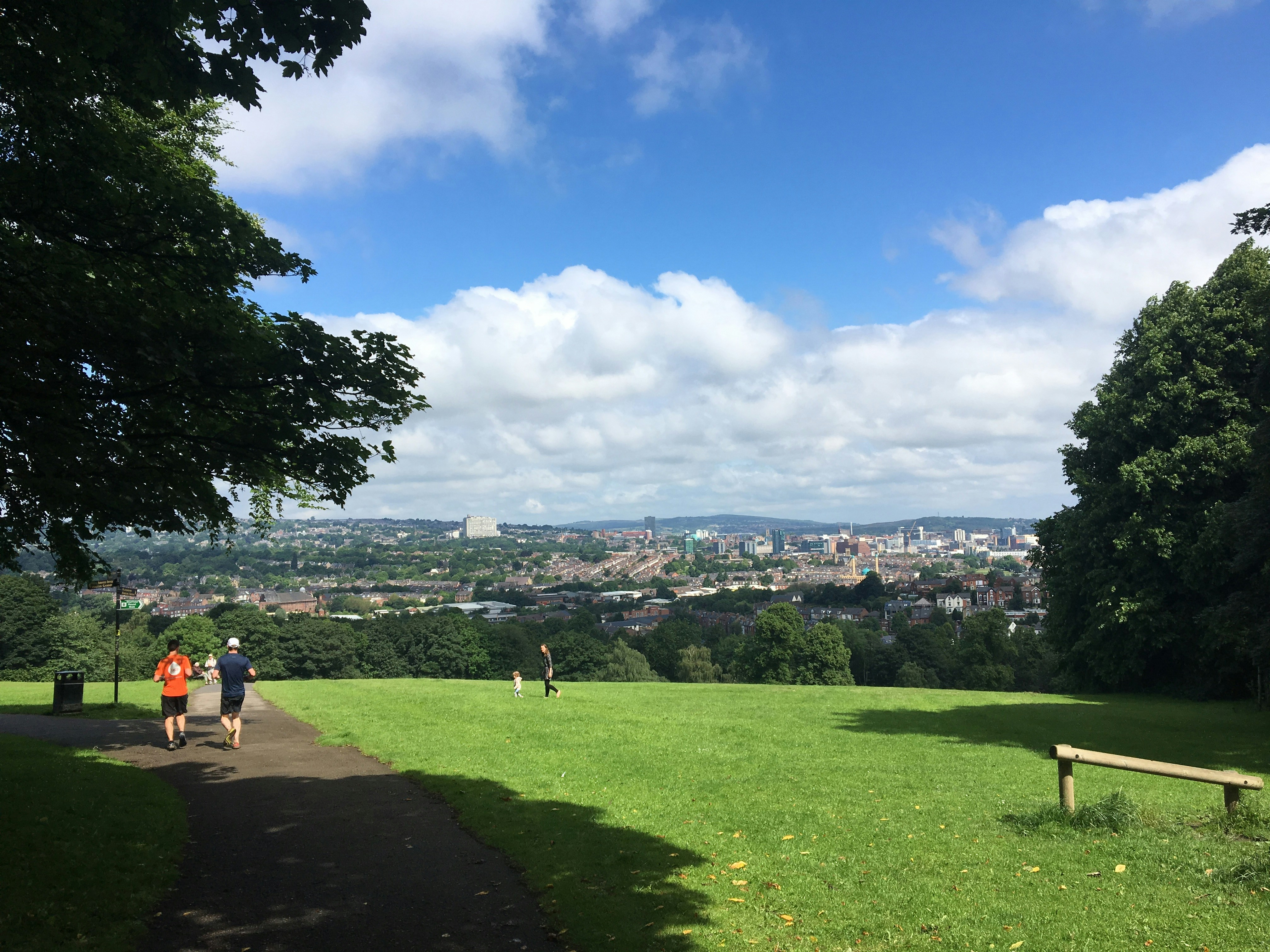


Rather than retreating indoors to private spaces, millions of Americans embrace the colder months as an opportunity to gather, celebrate, and strengthen community bonds in shared public venues. From bustling library programming to festive ice-skating rinks and transformed town squares, these spaces become vital lifelines for social connection during the season, when isolation might otherwise prevail.
Libraries as Community Sanctuaries
Public libraries across America transform into essential community hubs during the winter months, offering much more than books and quiet study spaces. These institutions recognize their role as democratic spaces where all community members can gather regardless of economic status, age, or background.
Warming centers and extended hours become crucial services as libraries adapt to winter needs. Many systems extend their operating hours during severe weather, providing safe, heated spaces for vulnerable community members. Beyond basic shelter, libraries curate robust winter programming that brings neighbors together through shared experiences.
Cultural programming and workshops flourish during these months, with libraries hosting everything from traditional craft workshops to cultural celebration events. Building community becomes especially meaningful when libraries coordinate with local cultural organizations to offer heritage-specific programming that helps diverse communities maintain connections to their traditions.
Libraries also serve as informal social centers where regular patrons develop relationships over time. The consistent warmth and welcoming environment create natural gathering spaces where conversations bloom over shared tables, community bulletin boards become hubs of information exchange, and reading groups provide structured social interaction.
Ice Rinks and Outdoor Winter Recreation
Winter recreation centers in American public spaces prominently feature ice-skating facilities that transform communities into winter wonderlands. Public ice rinks represent uniquely democratic spaces where families of all backgrounds come together to enjoy seasonal activities.
Outdoor municipal rinks pop up in town centers, parks, and public squares across the country, creating magical focal points for community gathering. These temporary installations often feature warming huts, hot beverage stations, and benches where non-skaters can gather to watch and socialize. The rinks become stages for impromptu celebrations, family traditions, and cross-generational bonding.
Programming and special events at public rinks create structured opportunities for community building. Many facilities host themed skating nights, beginner lessons, and cultural celebrations that reflect their diverse communities. Winter festivals often center around these rinks, incorporating live music, food vendors, and cultural performances that celebrate the rich tapestry of American traditions.
The accessibility of public skating facilities demonstrates American commitment to inclusive recreation. Many rinks offer free or low-cost admission, skate rental programs, and adaptive equipment for individuals with disabilities. This ensures that winter recreation remains available to all community members regardless of economic circumstances.
Youth and family programming particularly thrives at public rinks, where skating lessons, hockey leagues, and figure skating clubs provide structured activities that keep young people engaged throughout the winter months. These programs often serve as launch points for lifelong friendships and community connections.
Town Squares and Central Gathering Spaces
American town squares undergo remarkable transformations during winter months, evolving from simple public spaces into vibrant community theaters that host the season's most meaningful gatherings.
Holiday markets and seasonal festivals bring community life into sharp focus as town squares become marketplaces for local artisans, food vendors, and cultural organizations. These events celebrate the diversity of American communities while creating economic opportunities for small business owners and cultural entrepreneurs.
Lighting ceremonies and seasonal decorations mark important community milestones, bringing residents together for shared experiences. Many communities coordinate these events to reflect their multicultural character, incorporating traditions from various heritage groups.
Performance spaces and community stages emerge in town squares during winter, hosting everything from children's choirs to cultural dance performances. These venues bserve asplatforms for community expression, aenabling diversegroups to share their traditions while building bridges across cultural divides.
Food and beverage traditions play central roles in winter town square activities, with hot chocolate stands, food trucks, and cultural food booths creating gathering points where conversations naturally develop. These culinary offerings often reflect the diverse heritage of local communities, introducing neighbors to new flavors and traditions.
Community Centers and Indoor Public Gathering Spaces
Multipurpose community centers become essential infrastructure during winter months, offering programming that serves diverse age groups and cultural communities simultaneously. These facilities adapt their spaces to accommodate everything from cultural celebrations to practical workshops on winter preparedness.
Intergenerational programming flourishes in community centers during cold months, with storytelling circles, craft workshops, and cultural exchange events that bring different age groups together. Elderly community members often serve as cultural knowledge keepers, sharing traditions and skills with younger generations in structured programs.
Support services and resource sharing expand during winter as community centers coordinate with social service agencies to assist with heating bills, winter clothing drives, and food security programs. These services transform community centers into lifelines for vulnerable populations and create opportunities for community members to support one another.
Cultural organizations often partner with community centers to host enduring Hispanic heritage traditions and other heritage celebrations that maintain cultural connections throughout the winter months.
Religious and Cultural Centers as Public Spaces
Many religious and cultural institutions open their doors more widely during the winter months, extending beyond their core constituencies to serve broader community needs. These spaces often host interfaith gatherings, cultural exhibitions, and community dinners that welcome all residents.
Interfaith cooperation is particularly visible during the winter holiday season, with different religious communities collaborating on service projects, shared celebrations, and community outreach. These partnerships demonstrate how public spaces transcend traditional boundaries to create inclusive community experiences.
Cultural preservation activities hosted in these spaces help maintain heritage traditions while introducing them to broader communities. Language classes, traditional music lessons, and cultural workshops create opportunities for cross-cultural learning and appreciation.
The Role of Public Transportation and Transit Hubs
Transit centers and transportation hubs take on enhanced community roles during winter months, serving as informal gathering spaces where daily interactions build community connections. Heated waiting areas become social spaces where regular commuters develop relationships and share information about community events and resources.
Community information sharing happens naturally in these spaces, with bulletin boards, community announcements, and informal networks helping residents stay connected to local opportunities and resources.
Strengthening American Communities Through Winter Spaces
The transformation of American public spaces during winter months reveals the deep human need for community connection, especially when environmental challenges might otherwise encourage isolation. Libraries, ice rinks, town squares, and community centers become more than facilities – they evolve into essential infrastructure for democracy, cultural preservation, and social cohesion. These spaces demonstrate how thoughtful community planning and programming can turn seasonal challenges into opportunities for building stronger, more inclusive neighborhoods.
Visit United Tribes today and find out more about American culture and community celebrations happening in public spaces near you throughout the winter season.


