
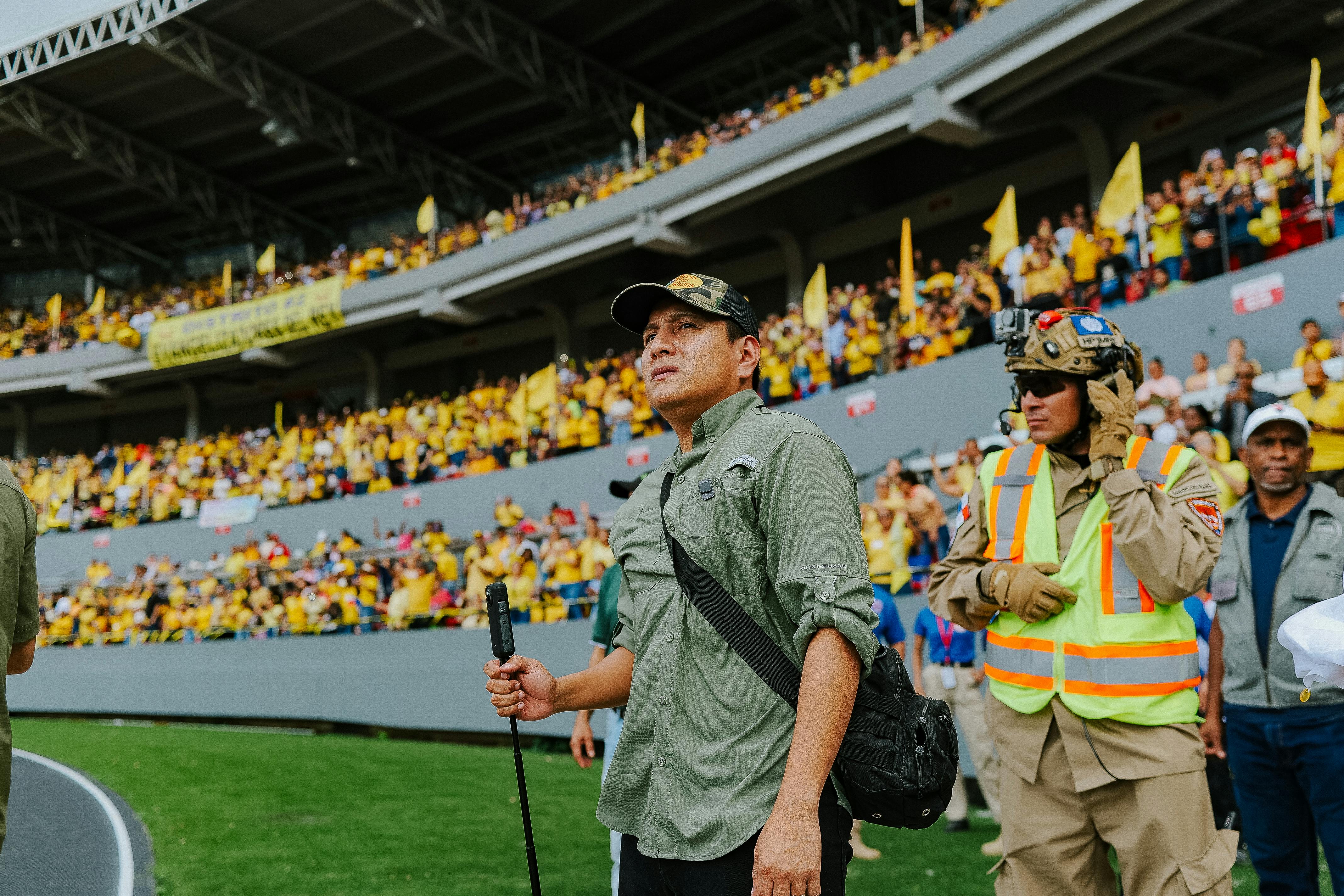


There is something unmistakably electric about the way Panamanian communities come together when football is on the line. Whether it is a World Cup qualifier, a CONCACAF clash, or a friendly match broadcast from Panama City, Panamanians across the United States drop everything, gather in homes and restaurants, and transform ordinary evenings into celebrations of identity and pride. For the Panamanian diaspora, football is a living expression of culture, memory, and belonging.
The Deep Roots of Football in Panama
Football arrived in Panama in the early twentieth century, carried by Caribbean laborers and canal workers who made the isthmus their home. Over generations, the sport embedded itself into Panamanian daily life, played in barrios, coastal towns, and highland communities alike. Los Canaleros, the nickname for the Panamanian national team, became a source of collective pride that transcended geography.
For Panamanians who later emigrated to the United States, that emotional connection traveled with them. The sport became a thread linking first-generation immigrants to their homeland and introducing younger, U.S.-born generations to their cultural roots. Understanding the Panama football culture diaspora means recognizing that every match is also a reunion of memory and heritage.
Watch Parties as Cultural Rituals
Few gatherings mirror the warmth of a Panamanian football watch party. These events are carefully assembled rituals involving food, music, family, and national pride, all packed into living rooms, community halls, and Panamanian-owned restaurants.
Tables are filled with sancocho de gallina, patacones, arroz con pollo, and carimanolas. Homemade chichas and cold Balboa beers appear alongside bags of raspao for the children. The national flag drapes over walls. Someone inevitably brings a caja china if the occasion is large enough.
These watch parties serve a deeper purpose beyond watching the game. They are spaces where Panamanian soccer fans' traditions are passed down organically. Elders explain the history of certain players. Children learn chants that they will carry into adulthood. Younger generations born far from Panama experience the country through collective emotion and shared ritual rather than geography.
Cities Where Panamanian Football Culture Thrives
Panamanian diaspora communities have established strong footholds in several U.S. cities, and football culture follows wherever those communities settle.
- New York City and New Jersey host some of the largest Panamanian populations in the country, with community organizations regularly hosting match-day events in neighborhoods like the Bronx and Paterson.
- Miami serves as a natural bridge between Panama and the United States, with Panamanian restaurants and cultural clubs frequently organizing screenings for major matches.
- Houston and Atlanta have growing Panamanian communities where football-centered gatherings have become anchors for broader cultural programming.
- Los Angeles sees significant overlap between Panamanian and broader Latin American football culture, creating vibrant cross-cultural watch party scenes.
In each of these cities, football events also serve as opportunities for Panamanian businesses to gain exposure. Restaurants, bakeries, and catering services see their strongest community engagement during match seasons.
The Historic 2018 World Cup Moment
No conversation about the Panama football culture diaspora is complete without acknowledging the 2018 FIFA World Cup in Russia. It was the first and only time Panama qualified for the World Cup, and the national team's journey to that stage sent shockwaves of celebration through Panamanian communities worldwide.
When Panama scored its first-ever World Cup goal against England, Blas Pérez and the entire squad became national heroes overnight. In the United States, Panamanian neighborhoods erupted. Watch parties swelled beyond their planned capacities. Social media was flooded with pride, tears, and joy from Panamanians who had waited their entire lives for that moment.
That tournament marked a generational turning point. It introduced younger diaspora members to the depth of their football heritage and reminded older generations why they carried this pride across borders in the first place. The 2018 World Cup became a cultural landmark in Panamanian sports history.
Youth Football and Community Leagues
Across the United States, Panamanian community organizations have channeled football culture into youth development. Local soccer leagues and cultural associations sponsor youth teams that compete under Panamanian colors, teaching children both athletic discipline and cultural pride simultaneously.
These leagues create community infrastructure. Coaches become mentors. Weekend games become family gatherings. Parents who might not otherwise connect find community through the shared experience of cheering for their children. Youth football programs have become one of the most effective tools for sustaining Panamanian cultural identity in the diaspora.
How Social Media Amplifies Panamanian Football Pride
Modern diaspora life means that Panama football culture diaspora communities are no longer limited by geography. Social media has enabled Panamanian fans in dozens of cities to celebrate together in real time.
During matches, hashtags dedicated to Los Canaleros trend within Panamanian online spaces. Facebook groups connecting Panamanians across multiple states coordinate simultaneous watch parties.
This digital layer strengthens rather than replaces physical gathering. Online coordination leads to offline connection. A shared post about a watch party in Miami inspires someone in Atlanta to host their own. Panamanian soccer fans now have both a physical and virtual home.
Football as a Bridge to Panamanian Identity
Panamanian football culture is a living, breathing expression of diaspora identity. From the watch parties serving sancocho and patacones to the youth leagues keeping tradition alive in American cities, every gathering centered around Los Canaleros reinforces something essential. Football gives Panamanian communities a shared language that transcends distance, generation, and circumstance.
For those seeking to connect with their roots or discover the richness of Panamanian culture, the football community offers a welcoming and deeply human entry point. The sport has never just been about winning. It has always been about belonging.
Visit United Tribes today to learn more about Panamanian culture and community, where the stories, businesses, and gatherings that define this vibrant heritage await discovery.


