
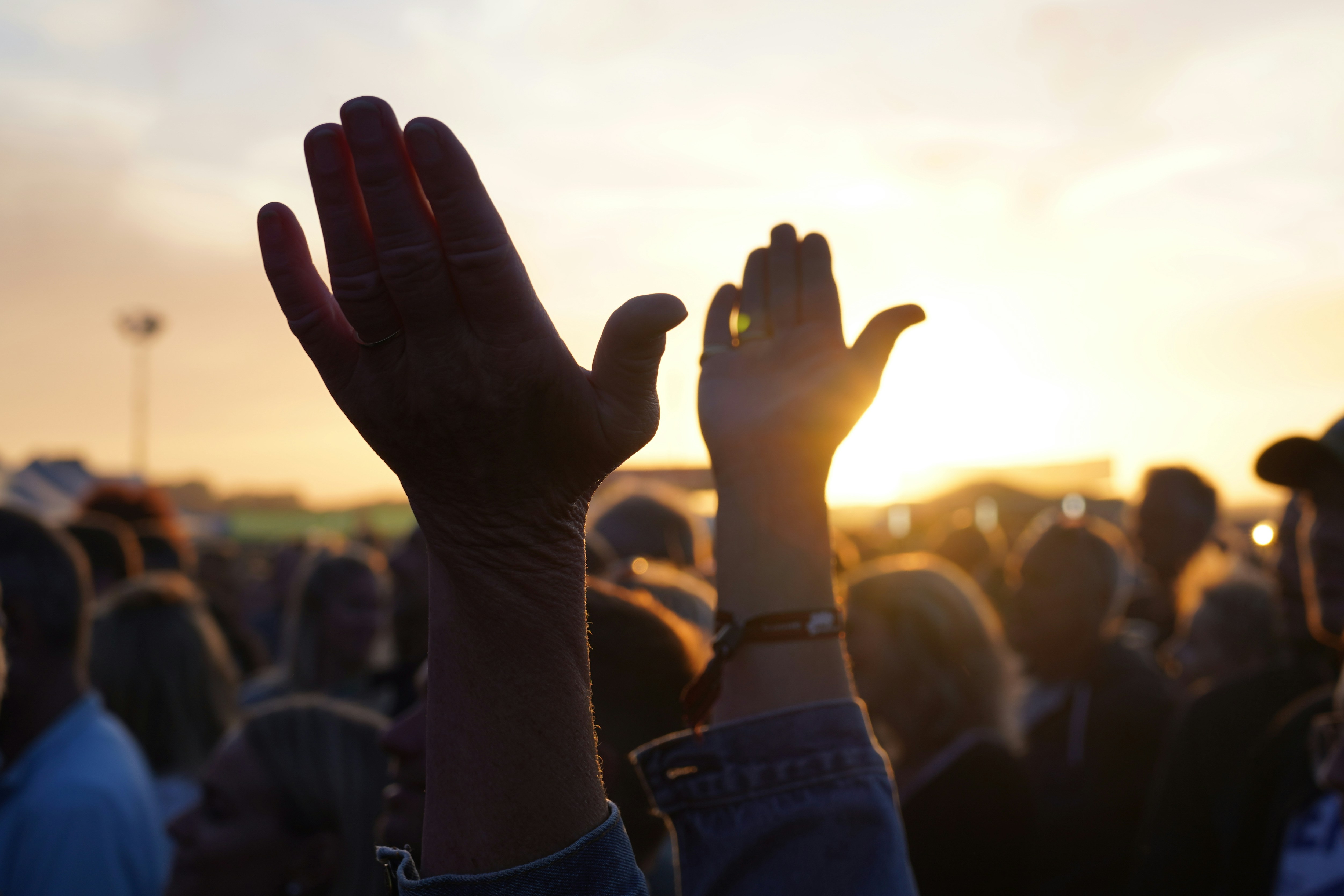

As winter gradually gives way to spring, communities around the world undergo a profound transformation that extends beyond changes in weather patterns. The February-March transition period represents one of the most culturally significant times of the year, influencing everything from daily routines to sacred rituals that have been passed down through generations.
The Universal Appeal of Seasonal Renewal
The February-March period holds special significance across cultures because it represents hope, renewal, and the promise of new beginnings. This timing isn't coincidental – it aligns with humanity's ancient agricultural roots, when the end of winter meant survival, the return of warmth, and the possibility of new growth. Community rituals during this time often center around themes of purification, preparation, and celebration.

Welcome to United Tribes
Where Diverse Cultures Come Alive
Join Your Tribe
Connect with your people
Discover Events
Watch parties & festivals
Find Tribe Businesses
Restaurants, markets & more
Earn Crown Credits
Get rewarded for engaging
In many cultures, this seasonal transition is a time for deep cleaning, both literal and spiritual. Homes are thoroughly cleaned, old items are discarded, and spaces are prepared for the fresh energy of spring. This practice extends beyond individual households into community spaces, where collective preparation activities strengthen neighborhood bonds and cultural identity.
The psychological impact of seasonal change during February and March cannot be understated. As daylight hours gradually increase and temperatures begin to rise, communities naturally gravitate toward more social activities. This biological response to seasonal change has shaped cultural practices for millennia, creating traditions that honor both the natural world and human need for connection.
Persian Heritage and Nowruz Preparations
The Persian community's approach to seasonal change exemplifies how deeply cultural traditions can be intertwined with natural cycles. Nowruz, a celebration of renewal, unity, and heritage, begins on the spring equinox but requires weeks of preparation that transform entire communities during February and March.
Khaneh Tekani, or spring cleaning, represents more than mere household maintenance – it's a spiritual and cultural practice that prepares families and communities for the new year. Persian families engage in this ritual together, creating opportunities for intergenerational knowledge transfer and community bonding. The practice extends beyond individual homes to include community centers, cultural organizations, and gathering spaces.
The preparation of Haft-Sin tables becomes a community activity that brings neighbors together. Families share traditional items, exchange recipes for special foods, and collaborate on creating the perfect symbolic arrangement. This collaborative preparation process strengthens community ties and ensures that cultural knowledge continues to pass from one generation to the next.
Persian communities also use this time to organize cultural events, educational programs, and artistic performances that celebrate their heritage. Local Persian organizations coordinate activities that help community members, especially younger generations, connect with their cultural roots while adapting traditions to contemporary life.
The observance of Shabe Yalda, a Persian tradition rooted in light, history, and hope, observed earlier in winter, lays the foundation for the spring renewal period, thereby sustaining cultural continuity throughout the year.
Filipino Community Adaptations
Filipino communities demonstrate remarkable creativity in adapting their seasonal traditions to new environments, particularly in temperate climates, where February and March correspond to late winter rather than the tropical seasons of the Philippines. Bringing fiesta traditions through innovative approaches that honor traditional timing while acknowledging local seasonal realities.
Bayanihan, the Filipino tradition of community cooperation, becomes especially important during seasonal transitions. Filipino communities organize collective activities, such as preparing community gardens, maintaining cultural centers, and planning events, that strengthen social bonds and support spring activities.
Filipino families use the February-March period to prepare for Flores de Mayo celebrations that will occur later in the spring. This preparation involves community-wide activities, including flower-arranging workshops, traditional dress preparations, and planning for religious observances, that bring together multiple generations.
Cultural Center Activities
Filipino cultural centers become hubs of activity during seasonal transitions, offering language classes, traditional cooking workshops, and cultural education programs. These activities serve multiple purposes: preserving cultural heritage, providing opportunities for social connections, and preparing community members for upcoming celebrations and festivals.
The preparation of traditional Filipino spring celebrations often involves learning or relearning crafts such as traditional weaving and flower arranging. These skill-sharing sessions create intergenerational connections and ensure cultural knowledge continues to flourish in diaspora communities.
Building Community Through Seasonal Rhythms
Seasonal traditions across cultures share common elements that demonstrate universal human needs for connection, renewal, and cultural continuity. The February-March transition period offers unique opportunities for communities to come together, regardless of their specific cultural background, creating inclusive celebrations that honor diversity while recognizing shared human experiences.
Community gardens represent one way that diverse cultural communities come together during seasonal transitions. As February and March bring the promise of the growing season, community gardens become gathering places where diverse cultural approaches to agriculture, seasonal timing, and traditional foods can be shared and celebrated.
Interfaith and Intercultural Connections
Many communities use seasonal transitions to create interfaith and intercultural connections that strengthen broader social bonds. Community rituals in February and March often invite participation from neighbors of diverse cultural backgrounds, creating opportunities for cultural exchange and mutual understanding.
Community centers, libraries, and cultural organizations frequently coordinate seasonal celebration events that showcase multiple cultural traditions simultaneously. These events enable community members to learn about diverse approaches to seasonal change while celebrating their cultural heritage.
Modern Adaptations and Technology Integration
Contemporary communities have found innovative ways to maintain seasonal traditions across cultures while adapting to modern life constraints and geographic dispersal. Social media platforms enable extended families and cultural communities to coordinate seasonal preparations, share traditional recipes, and maintain cultural connections across great distances.
Virtual celebration components have become integral to many seasonal traditions, enabling community members who cannot gather in person to participate in cultural observances. Online cooking classes, virtual cultural performances, and digital storytelling sessions help maintain community connections during seasonal transitions.
Community apps and platforms facilitate coordination of seasonal activities, enabling community members to organize group purchases of traditional foods, coordinate transportation to cultural events, and share resources needed for seasonal preparations. These technological tools support traditional practices while addressing contemporary logistical challenges.
Celebrating Cultural Seasons Together
The February-March seasonal transition reveals the profound ways in which community rituals and seasonal traditions across cultures continue to shape contemporary community life. Whether through Persian Nowruz preparations or Filipino fiesta adaptations, communities worldwide demonstrate that seasonal change remains a powerful force for cultural preservation, social connection, and community building. These traditions provide essential frameworks for maintaining cultural identity while adapting to contemporary life challenges.
Visit United Tribes today and find out more about diverse cultural communities and their seasonal celebrations throughout the year.
Make United Tribes Your Preferred Source
Add United Tribes on Google to get the latest stories, cultural updates, and community events directly in your Google Search and Top Stories.


