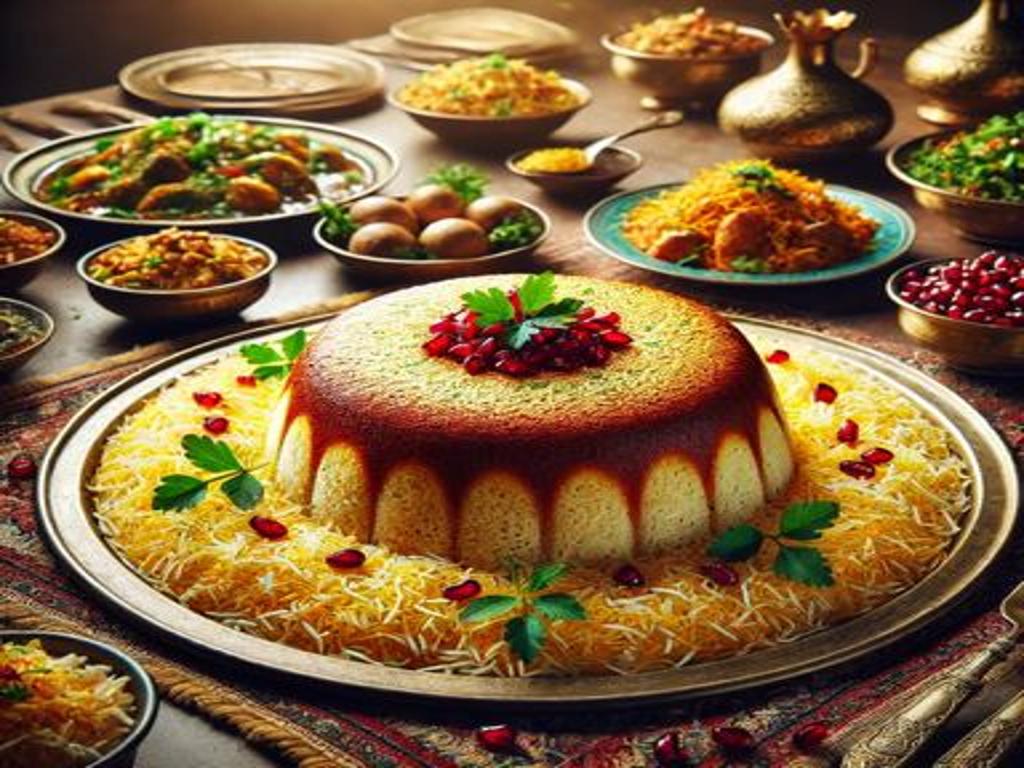

What is Tahdig?
Tahdig, a beloved Persian dish, translates to “bottom of the pot” and refers to the crispy, golden crust formed at the base of the rice during cooking. It is a staple in Persian cuisine and often considered the highlight of any rice dish, elevating simple meals into culinary masterpieces. Recently, tahdig has gained popularity beyond Persian households, becoming a trending dish on social media and in food blogs worldwide, thanks to its irresistible texture and flavor.
Why is Tahdig Trending?
The trend around tahdig can be attributed to its unique texture and the satisfying crunch that contrasts with fluffy rice. Food enthusiasts are drawn to its aesthetic appeal and the way it adds an exciting element to gatherings. The quest for the perfect tahdig has inspired home cooks and professional chefs alike to experiment with different ingredients, making it a versatile dish that can complement a variety of meals, from stews to grilled meats.
How to Make the Perfect Tahdig
Ingredients:
• 2 cups basmati rice
• 4 cups water
• 1/4 cup vegetable oil or melted butter
• 1/2 teaspoon salt
• Optional: Saffron threads (for color and flavor)
• Optional: Thinly sliced potatoes or bread (for variation)
Instructions:
1. Rinse the Rice: Start by rinsing the basmati rice under cold water until the water runs clear. This removes excess starch and prevents the rice from becoming sticky. Soak the rice in water for at least 30 minutes to an hour.
2. Prepare the Saffron (Optional): If you’re using saffron, dissolve a pinch in a tablespoon of hot water or broth to enhance the flavor and color of your tahdig.
3. Boil the Rice: In a large pot, bring 4 cups of water to a boil. Add the soaked and drained rice along with 1/2 teaspoon of salt. Boil for about 5-7 minutes, until the rice is parboiled but still firm (al dente).
4. Drain and Steam: Drain the rice in a colander and let it sit for a few minutes to allow excess moisture to escape.

Welcome to United Tribes
Where Persian Culture Comes Alive
Join Your Tribe
Connect with your people
Discover Events
Watch parties & festivals
Find Persian Businesses
Restaurants, markets & more
Earn Crown Credits
Get rewarded for engaging
Meanwhile, heat the vegetable oil or melted butter in the same pot over medium heat. If you want a creative twist, you can place thinly sliced potatoes or bread at the bottom of the pot before adding the rice.
5. Layer the Rice: Carefully layer the parboiled rice back into the pot, mounding it up. Use a spoon to create a few holes in the rice (this helps steam escape) and drizzle the saffron water over the top for added flavor and color.
6. Cook the Tahdig: Cover the pot with a tight-fitting lid and cook over low heat for 30-40 minutes. You want to allow the rice to steam and the bottom layer to become crispy and golden.
7. Check for Perfection: After about 30 minutes, you can lift the lid slightly to check for the golden crust. Once it’s achieved your desired crispiness, remove the pot from heat.
8. Serve: To serve, carefully invert the pot onto a serving platter. The crispy tahdig should slide out, revealing its beautiful golden crust.
Designing the Look of Your Tahdig
Presentation is key when serving tahdig. Consider garnishing your dish with fresh herbs, pomegranate seeds, or a sprinkle of saffron for an eye-catching appearance. You can also create artistic patterns by layering thinly sliced potatoes or using colorful vegetables around the tahdig.
What to Eat with Tahdig
Tahdig pairs wonderfully with traditional Persian stews like Ghormeh Sabzi (herb stew), Fesenjan (walnut and pomegranate stew), or even grilled meats such as kebabs. The combination of the crispy tahdig with the rich, flavorful stews creates a delightful contrast that enhances the dining experience.
Three Challenging Questions to Master Your Tahdig
1. What techniques can you use to ensure that your tahdig is crispy without burning?
2. How can you adapt tahdig to accommodate different dietary preferences or restrictions?
3. What are some creative ingredients you can add to your tahdig to enhance its flavor or presentation?
“In Persia, we don’t just eat to live; we live to eat, and if tahdig is not on the table, then it’s just a regular dinner!”
Make United Tribes Your Preferred Source
Add United Tribes on Google to get the latest stories, cultural updates, and community events directly in your Google Search and Top Stories.