
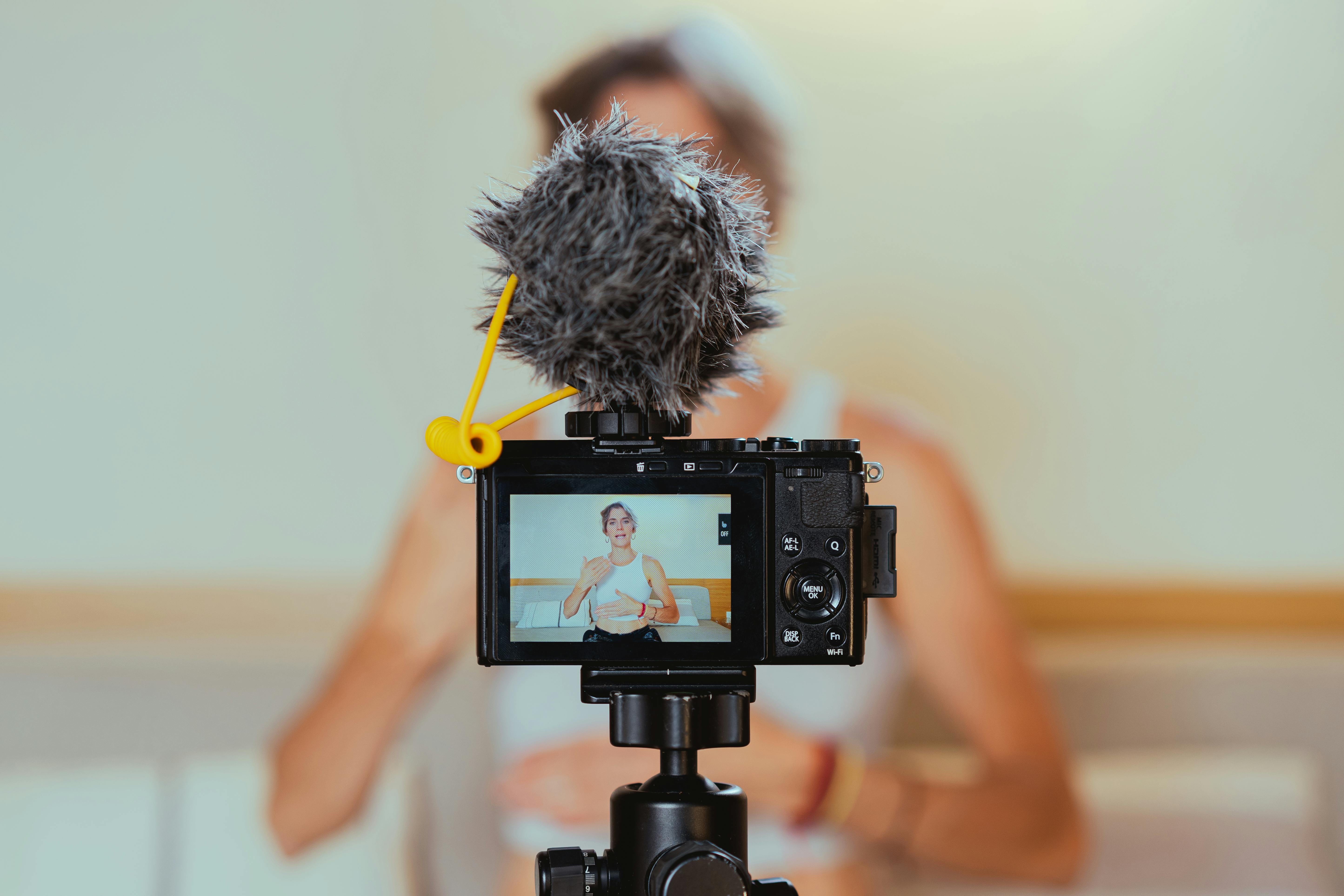

In today’s digital world, Filipino influencers on social media do more than create viral dance trends or beauty tutorials. They're also shaping cultural narratives, bringing the Filipino diaspora together, and amplifying Filipino voices.
For Filipino Americans and international viewers, these content creators introduce them to Filipino culture in unique and engaging ways. They’re redefining the Filipino identity in a globalized world through different perspectives, distinctive humor, and tremendous creativity.
From Local Fame to Global Influence
Over the past decade, Filipino influencers have emerged on various social media platforms, including YouTube, Instagram, TikTok, and Facebook.

Welcome to United Tribes
Where Filipino Culture Comes Alive
Join Your Tribe
Connect with your people
Discover Events
Watch parties & festivals
Find Filipino Businesses
Restaurants, markets & more
Earn Crown Credits
Get rewarded for engaging
Bretman Rock, Bella Poarch, Mikey Bustos, and other Filipino content creators have gained millions of followers worldwide, expressing their identity and cultural pride. They’ve stood out because of their content and how they celebrate the Filipino heritage through it: language, food, humor, storytelling, and more.
The Top Social Media Platforms for Filipino Influencers
If you’re always on TikTok and YouTube, you might’ve seen Filipino content creators on your feed. Both sites have allowed these personalities to discuss their roots or share their daily lives, whether at home or abroad.
Meanwhile, other Filipino influencers have turned Instagram into a visual diary. Every one of their posts combines aesthetics with cultural representation. On the other hand, Facebook hosts older Filipinos, although misinformation has dominated the site in recent years.
Building Bridges Between Cultures
Social media platforms also house many relatable Filipino content creators.
Personalities like Liane V and Inka Magnaye use humor, nostalgia, and personal stories to highlight the different aspects of Filipino life. From the quirks of Filipino parents to traditional values and celebrations, the stories of these influencers keep young Filipino-Americans glued to their screens. And, most importantly, these tales foster a deeper connection to their heritage.
Introducing Filipino Traditions to Global Audiences
Filipino influencers have also found new ways to introduce traditional aspects of Filipino culture to overseas viewers. We’ve got:
- Chefs cooking Filipino comfort food like sinigang in their videos
- Beauty creators using Filipino makeup or skincare brands on camera
- People roleplaying their relatives or friends for fun
- Vlogs, TikTok videos, and livestreams about Filipino celebrations, myths, language, and social taboos
These examples show how Filipino social media personalities have made local culture accessible to global audiences.
How Do Filipino Influencers Build Community & Shape Identity?
Besides entertaining and educating their viewers, Filipino influencers:
Encourage Representation & Empower Viewers
The Filipino influencer community helps Filipinos become visible. Representation matters, especially in American culture. As a Filipino, you’d feel proud when you see your fellowmen trending online or leading brand campaigns.
Many Filipino influencers openly discuss identity, colorism, and colonial mentality, topics that mainstream media often overlook. By using their platforms to initiate these conversations, these personalities empower Filipino viewers and share with others what it truly means to be Filipino.
Initiate Digital Bayanihan
Bayanihan, the Filipino’s unique spirit of unity and cooperation, has also spread to digital spaces.
Most of the time, you’ll see Filipino influencers on social media collaborating or supporting one another’s causes. They’ll raise funds for typhoon victims, promote small, Filipino-owned businesses, or encourage everyone to work together to address social issues. As a result, a digital version of bayanihan emerges and exists.
Inspire Aspiring Content Creators
Successful Filipino influencers have inspired others to create engaging content and amplify their voices. Social media algorithms may show you makeup tutorials, comedy skits, educational videos, social commentary, and more from new content creators.
Niana Guerrero and Esnyr Ranollo are two shining examples of this new breed of Filipino social media personalities. One has made her mark on the global dance scene, with big names like BTS member J-Hope recognizing her skills. Meanwhile, the other has made people laugh through relatable skits on TikTok. Who hasn’t seen Esnyr act as multiple students trying to survive high school or college?
Both Niana and Esnyr have shown local and overseas audiences that authenticity and Filipino pride can be powerful.
Help Young Filipino-Americans Acknowledge Their Identity
Many young Filipino-Americans live with two cultures. Influencers who speak candidly about the immigrant experience, generational differences, and belonging break this journey down online. Their stories are relatable to followers facing these challenges, consoling, guiding, and motivating them.
A Filipino Influencer’s Challenges & Responsibilities
As Filipino content creators gain popularity, they bear a significant responsibility to their communities. Lying about Filipino culture or even oversimplifying it can make people think that Filipinos act a certain way. With all of these things considered, many Filipino influencers review their content before uploading it to ensure it uplifts their kababayan (fellowmen).
Still, some of these people make mistakes. Some have been told that their content appears untruthful or caters to foreign audiences. Conversely, most Filipino influencers take criticism to heart and engage in meaningful conversations about identity, authenticity, and growth.
Final Thoughts
For Filipino-Americans, Filipino influencers on social media help them connect to their roots. They preserve the Filipino language, teach foreign followers about Filipino culture, and make Fil-Am viewers proud of their heritage. In their own ways, be it through humor, education, or personal storytelling, these personalities bring the Filipino identity into the digital spotlight.
As the media continues to shape our perception, Filipino content creators are amplifying the diaspora’s voices and celebrating their heritage. They’re entertainers, educators, and leaders for those wanting to know what it means to be Filipino in our modern world.
For more about Filipino culture, visit the United Tribes blog or our Filipino community page today.
Make United Tribes Your Preferred Source
Add United Tribes on Google to get the latest stories, cultural updates, and community events directly in your Google Search and Top Stories.