
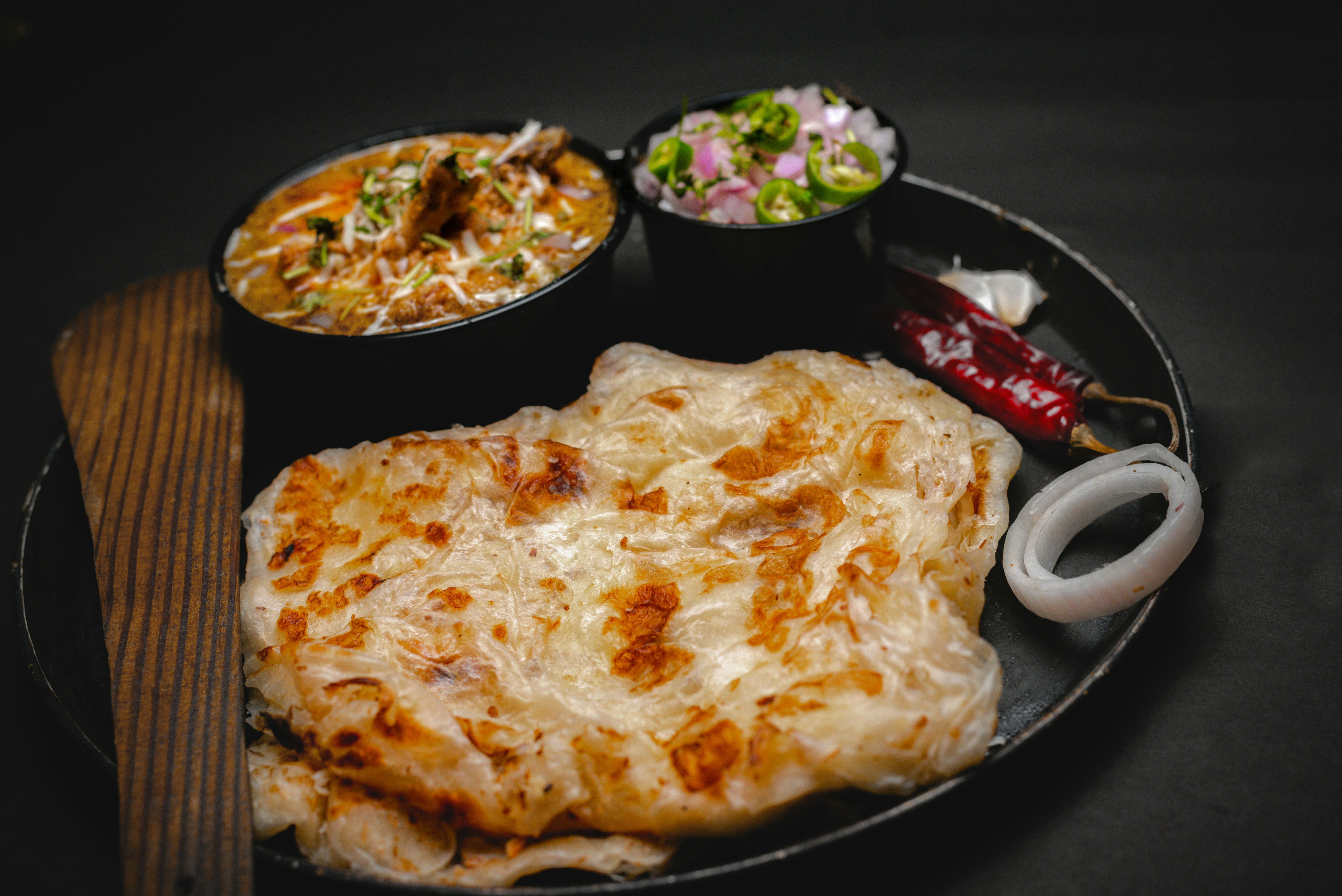


The American culinary landscape has been dramatically transformed by Indian cuisine's innovations in the USA, as talented chefs bring centuries-old regional traditions into modern kitchens nationwide. From bustling food trucks in Los Angeles to Michelin-starred restaurants in New York City, Indian chefs are reimagining traditional flavors for contemporary palates while maintaining the authentic essence that makes Indian food so beloved worldwide.
Regional Flavors Taking Center Stage
Indian chefs across America are showcasing the incredible diversity of India's regional cuisines, moving beyond the commonly known North Indian dishes to highlight flavors from every corner of the subcontinent. This regional approach has revolutionized how Americans experience Indian cuisine, introducing diners to the coastal spices of Kerala, the tangy tamarind-based dishes of Tamil Nadu, and the subtle sweetness of Bengali cuisine.
South Indian cuisine has gained particular prominence in recent years, with chefs bringing authentic dosas, uttapams, and sambar to mainstream attention. Cities like San Francisco and Austin now boast restaurants specializing in Andhra Pradesh's fiery cuisine or Karnataka's comfort foods. These establishments often feature traditional cooking methods, including banana-leaf service and clay-pot preparations, transporting diners directly to South India.
Coastal Indian flavors have found enthusiastic audiences in seafood-loving regions like the Pacific Northwest and New England. Chefs are adapting traditional Goan fish curries using locally sourced salmon and halibut, while maintaining the essential coconut milk base and aromatic spice blends that define coastal Indian cooking.
The Northeast Indian influence brings unique ingredients like bamboo shoots, bhut jolokia peppers, and fermented vegetables to American tables. These lesser-known flavors offer adventurous diners entirely new taste experiences while honoring the distinct culinary traditions of states like Manipur, Nagaland, and Assam.
Fine Dining Revolution
The elevation of Indian cuisine to fine-dining status represents one of the most significant developments in its evolution. Renowned Indian chefs are creating sophisticated interpretations of traditional dishes, using premium ingredients and modern presentation techniques while respecting the fundamental flavor profiles that make each dish authentic.
Molecular gastronomy techniques have been thoughtfully incorporated into Indian fine dining, with chefs creating spherified chutneys, deconstructed biryanis, and aromatic smoke presentations that enhance rather than overshadow traditional flavors. These innovations demonstrate how Indian food innovation can embrace modern culinary science while maintaining cultural authenticity.
Wine pairing programs specifically designed for Indian cuisine have emerged as sommeliers and Indian chefs collaborate to create harmonious dining experiences. These programs often feature natural wines, craft beers, and traditional Indian beverages such as feni or toddy, creating comprehensive cultural experiences that extend beyond food.
The tasting menu format has allowed chefs to tell stories about their heritage, regional specialties, and family traditions through carefully curated sequences of dishes. These multi-course experiences often begin with familiar flavors before gradually introducing more adventurous regional specialties, educating diners about India's culinary diversity.
Street Food Transformation
Perhaps nowhere is Indian food innovation more evident than in the transformation of traditional street food for American audiences. Indian street food and other dishes reveal the incredible variety of quick, flavorful dishes that Indian chefs are adapting for food truck culture and casual dining establishments nationwide.
Chaat culture has exploded in major American cities, with specialized chaat houses offering everything from traditional bhel puri to innovative fusion creations. These establishments often feature interactive preparation stations where diners can watch skilled cooks assemble complex flavor combinations in real-time, creating entertainment value alongside authentic taste experiences.
Dosa trucks and kathi roll vendors have become fixtures at food festivals and farmers' markets, introducing mainstream American audiences to these portable Indian classics. The adaptability of these formats makes them perfect for American food culture, offering quick, satisfying meals that showcase complex spice blends and traditional cooking techniques.
Modern interpretation of street food often involves upgrading ingredients while maintaining traditional preparation methods. Premium ghee, organic vegetables, and artisanal breads elevate familiar street food concepts without compromising their essential character or accessibility.
Fusion Innovation and Cultural Bridge-Building
The Indian food innovation movement encompasses thoughtful fusion cuisine that bridges Indian flavors with other culinary traditions. Indian chefs are collaborating with colleagues from different backgrounds to create dishes that honor multiple traditions while creating entirely new taste experiences.
Indo-Mexican fusion has gained particular popularity in regions with significant Latino populations, combining Indian spice techniques with Mexican preparation methods and ingredients. Tandoori tacos, curry-spiced quesadillas, and mango lassi horchatas represent successful cross-cultural collaborations that appeal to diverse audiences.
Southern American-Indian fusion showcases how Indian chefs adapt their techniques to local ingredients and traditions. Dishes like curry-spiced fried chicken, masala mac and cheese, and turmeric cornbread demonstrate creative adaptation while respecting both culinary traditions involved.
The barbecue and grilling traditions of America have been enhanced by Indian marinades and spice rubs, with tandoori techniques influencing backyard cooking nationwide. This cultural exchange works in both directions, as Indian restaurants increasingly feature American-style grilled items seasoned with traditional Indian spice blends.
Ingredient Innovation and Local Sourcing
Indian cuisine has benefited enormously from improved access to ingredients and innovative sourcing solutions. Indian chefs are establishing relationships with local farmers to grow traditional vegetables and herbs, ensuring fresh ingredients while supporting local agriculture.
Spice blending artistry has reached new heights as chefs source premium spices directly from specific regions in India, often working with single-farm producers who specialize in particular varieties. This attention to spice quality significantly enhances the dish's authenticity and complexity.
Fermentation projects led by Indian chefs are introducing Americans to traditional preservation techniques like pickle-making, yogurt culturing, and rice fermentation. These projects often include community workshops that share traditional knowledge and build cultural connections.
Local adaptation of traditional ingredients demonstrates remarkable creativity, with chefs finding American substitutes that preserve the dish's integrity. Wild ramps replace curry leaves, local honey substitutes for jaggery, and regional vegetables stand in for traditional options while preserving essential flavor profiles.
Cultural Impact and Community Building
The influence of Indian food innovation extends far beyond restaurant kitchens, creating cultural bridges and fostering understanding between communities. The influence of different aspects of Indian culture demonstrates how food serves as an entry point for broader cultural appreciation and connection.
Cooking classes and workshops led by Indian chefs have become popular community events, teaching traditional techniques while sharing cultural stories and family traditions. These educational experiences often include discussions about regional differences, religious dietary customs, and the role of food in Indian celebrations.
Festival catering and special-occasion services enable Indian chefs to share their expertise during cultural celebrations, religious holidays, and community gatherings. These events often feature traditional preparation methods and Indian vegetarian recipes, showcasing the diversity and sophistication of plant-based Indian cooking.
The cookbook and media presence of prominent Indian chefs has helped normalize Indian flavors in American home kitchens, with television appearances, cookbook publications, and social media content making traditional techniques accessible to home cooks of all backgrounds.
Celebrating Culinary Innovation and Heritage
The transformation of Indian cuisine through the innovative work of talented Indian chefs represents a remarkable cultural success story that continues to evolve and inspire. From regional specialties finding new audiences in American fine-dining establishments to beloved street foods adapting to food-truck culture, this culinary revolution demonstrates how tradition and innovation can work together to create extraordinary dining experiences. The dedication these chefs show to both authenticity and accessibility ensures that Indian flavors will continue to enrich America's culinary landscape for generations to come.
Visit United Tribes today to learn more about Indian culture, community celebrations and events, and the incredible businesses that make these culinary innovations possible across America.


