
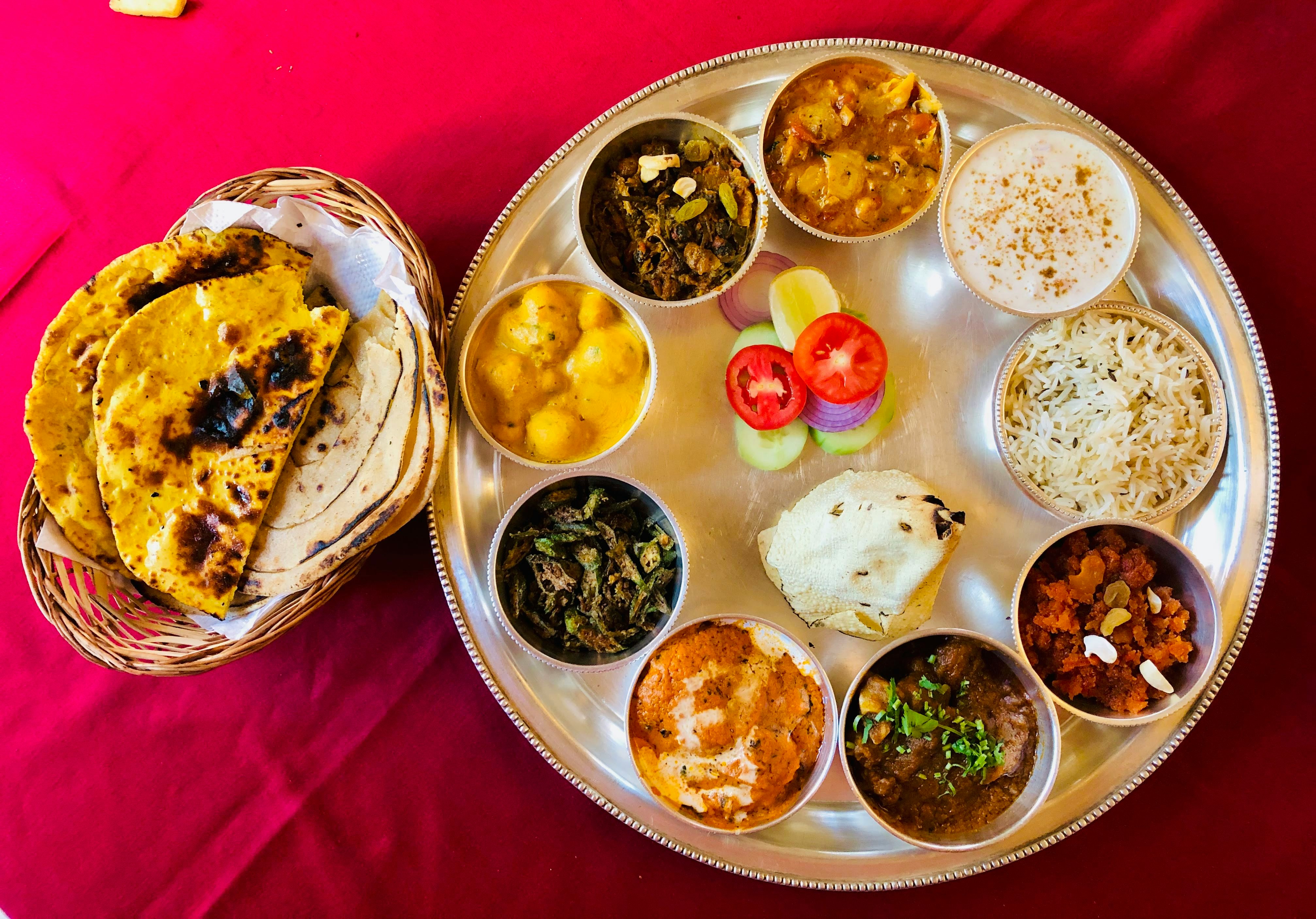

Indian cuisine has undergone a remarkable transformation as second and third-generation immigrants blend time-honored cooking methods with accessible ingredients and time-saving techniques. The result is a vibrant fusion that honors tradition while meeting the demands of busy American schedules.

Welcome to United Tribes
Where Indian Culture Comes Alive
Join Your Tribe
Connect with your people
Discover Events
Watch parties & festivals
Find Indian Businesses
Restaurants, markets & more
Earn Crown Credits
Get rewarded for engaging
The aromatic spices of garam masala and other delicious Indian dishes wafting through suburban American kitchens tell a story of cultural adaptation and culinary innovation. As Indian-American families navigate their dual identities, they're revolutionizing how traditional recipes fit into modern lifestyles without losing their ancestral essence.
Bridging Generations Through Simplified Cooking
The modern Indian-American kitchen serves as a cultural bridge where grandmothers' recipes meet contemporary convenience. Many families are discovering that simplifying traditional dishes can still be authentic while also making them accessible to future generations.
Traditional dal that once required hours of preparation now transforms into a 30-minute weeknight dinner using pressure cookers or Instant Pots. The essence remains unchanged: the careful balance of turmeric, cumin, and coriander that defines this comfort food staple. Similarly, elaborate biryani recipes are being adapted into one-pot versions that deliver the same aromatic complexity without the traditional multi-step process.
Essential Ingredients for the American Indian Kitchen
Creating an accessible Indian pantry starts with understanding which spices and ingredients provide the most versatility across multiple dishes. The modern Indian-American kitchen focuses on building a foundation of multipurpose spices that can transform simple ingredients into complex, flavorful meals.
Core spice collection includes turmeric, cumin seeds, coriander powder, garam masala, and red chili powder. These five spices alone can create the base for dozens of traditional dishes. Adding mustard seeds, fennel seeds, and asafoetida (hing) significantly expands the repertoire while keeping the pantry manageable.
Protein adaptations have become particularly creative as families incorporate locally available ingredients. Traditional paneer dishes now feature tofu or even Greek yogurt-based alternatives. Lentil preparations include varieties readily available in American supermarkets, from red lentils for quick dal to black beluga lentils for heartier dishes.
The beauty of these adaptations lies in their flexibility. A basic tadka (spice tempering) technique can elevate everything from simple steamed vegetables to elaborate curries, providing authentic Indian flavors with minimal preparation time.
Quick Weeknight Favorites with Traditional Roots
Simple Dal Variations
The humble dal represents the perfect example of Indian recipes simplified for busy schedules. Red lentils cook in under 20 minutes and require no soaking, making them ideal for spontaneous cooking. A basic recipe calls for 1 cup of red lentils, 3 cups of water, turmeric, and salt. The magic happens in the tempering: heating oil with cumin seeds, adding minced garlic and ginger, then pouring this aromatic mixture over the cooked lentils.
Variations include adding spinach for palak dal, tomatoes for tang, or coconut milk for richness. Each variation teaches home cooks how traditional Indian cooking builds layers of flavor through simple techniques rather than complicated processes.
One-Pot Rice Dishes
Pulao and simplified biryanis have become weeknight staples in many Indian-American households. These dishes combine the convenience of one-pot cooking with the satisfaction of a complete meal. Basic vegetable pulao starts with basmati rice, mixed vegetables (fresh or frozen), and whole spices like bay leaves, cinnamon, and cardamom.
The technique remains traditional—sautéing whole spices in oil to release their aromatics—but the execution adapts to modern conveniences. Rice cookers and Instant Pots have revolutionized these preparations, making formerly elaborate dishes accessible to working parents and busy students.
Modern Curry Essentials
Indian vegetarian recipes showcase how traditional curries adapt beautifully to American kitchens and ingredients. A master curry base made with onions, tomatoes, ginger, and garlic serves as the foundation for countless variations.
This base curry technique, known as masala, can be prepared in larger batches and frozen for future use. When ready to cook, simply thaw the base, add vegetables or proteins, and simmer with appropriate spices. This approach makes authentic Indian flavors achievable even on the busiest weeknights.
Adapting Traditional Techniques for Modern Equipment
American kitchen appliances have transformed how Indian families approach traditional cooking methods. The pressure cooker, long a staple in Indian kitchens, has evolved into the electric Instant Pot, making techniques such as steaming, sautéing, and slow cooking more accessible to younger American generations.
Air fryer adaptations have revolutionized traditional fried snacks and appetizers. Samosas, traditionally deep-fried, achieve similar crispy textures with significantly less oil. Pakoras and other street food favorites become healthier while maintaining their authentic appeal. These adaptations reflect how popular Indian food continues evolving in American kitchens.
Slow cooker techniques have opened new possibilities for traditional stews and curries. Dishes that once required constant attention now cook unattended, perfect for working families who want to come home to aromatic, ready-to-eat meals. Traditional rajma (kidney bean curry) and chole (chickpea curry) adapt well to slow-cooker methods.
The key insight for modern Indian-American cooks is understanding that equipment changes technique, not flavor. The essential spice combinations and layering methods that create authentic Indian flavors remain constant whether food is cooked on a traditional stovetop or in a modern appliance.
Ingredient Substitutions That Preserve Authenticity
Smart substitutions allow families to maintain traditional flavors while working with ingredients readily available in American supermarkets. Greek yogurt often replaces traditional Indian yogurt in marinades and curries, providing similar tang and texture. Coconut milk substitutes for fresh coconut in many South Indian dishes without compromising authenticity.
Vegetable substitutions have become particularly creative. Traditional karela (bitter gourd) dishes adapt beautifully using zucchini or yellow squash, while maintaining the essential spice profiles that define these preparations. Methi (fenugreek) leaves can be substitutes for spinach, or even dried fenugreek leaves available in Indian grocery stores.
Protein alternatives reflect both dietary preferences and ingredient availability. Traditional chicken curry preparations work equally well with tofu, cauliflower, or even jackfruit, demonstrating how Indian spice techniques can transform any base ingredient into a flavorful meal.
Building Cultural Connections Through Food
Food traditions become vehicles for storytelling, with simplified recipes making it easier for parents to involve children in cooking and cultural education.
Festival cooking has adapted to accommodate busy American schedules while preserving the essential spirit of celebration. Traditional Diwali sweets might use store-bought phyllo dough instead of homemade pastry, but the sharing and celebration remain unchanged. Holi celebrations feature simplified versions of traditional snacks that children can help prepare, maintaining cultural engagement through accessible participation.
Community building around food continues through potluck dinners, cooking classes, and cultural events where simplified versions of traditional dishes allow broader participation. These adaptations make Indian culture more accessible to non-Indian friends and neighbors, fostering cross-cultural understanding and appreciation.
Preserving Heritage Through Culinary Innovation
The evolution of Indian cuisine in American kitchens represents a beautiful balance between honoring ancestral traditions and embracing contemporary lifestyles. As Indian-American families continue adapting family recipes for modern convenience, they're creating a new culinary legacy that maintains cultural authenticity while meeting the practical demands of American life. These simplified approaches to traditional dishes ensure that future generations can connect with their heritage through accessible, meaningful cooking experiences.
Visit United Tribes today to learn more about Indian culture and community connections that celebrate both tradition and innovation in the modern American experience.
Make United Tribes Your Preferred Source
Add United Tribes on Google to get the latest stories, cultural updates, and community events directly in your Google Search and Top Stories.