
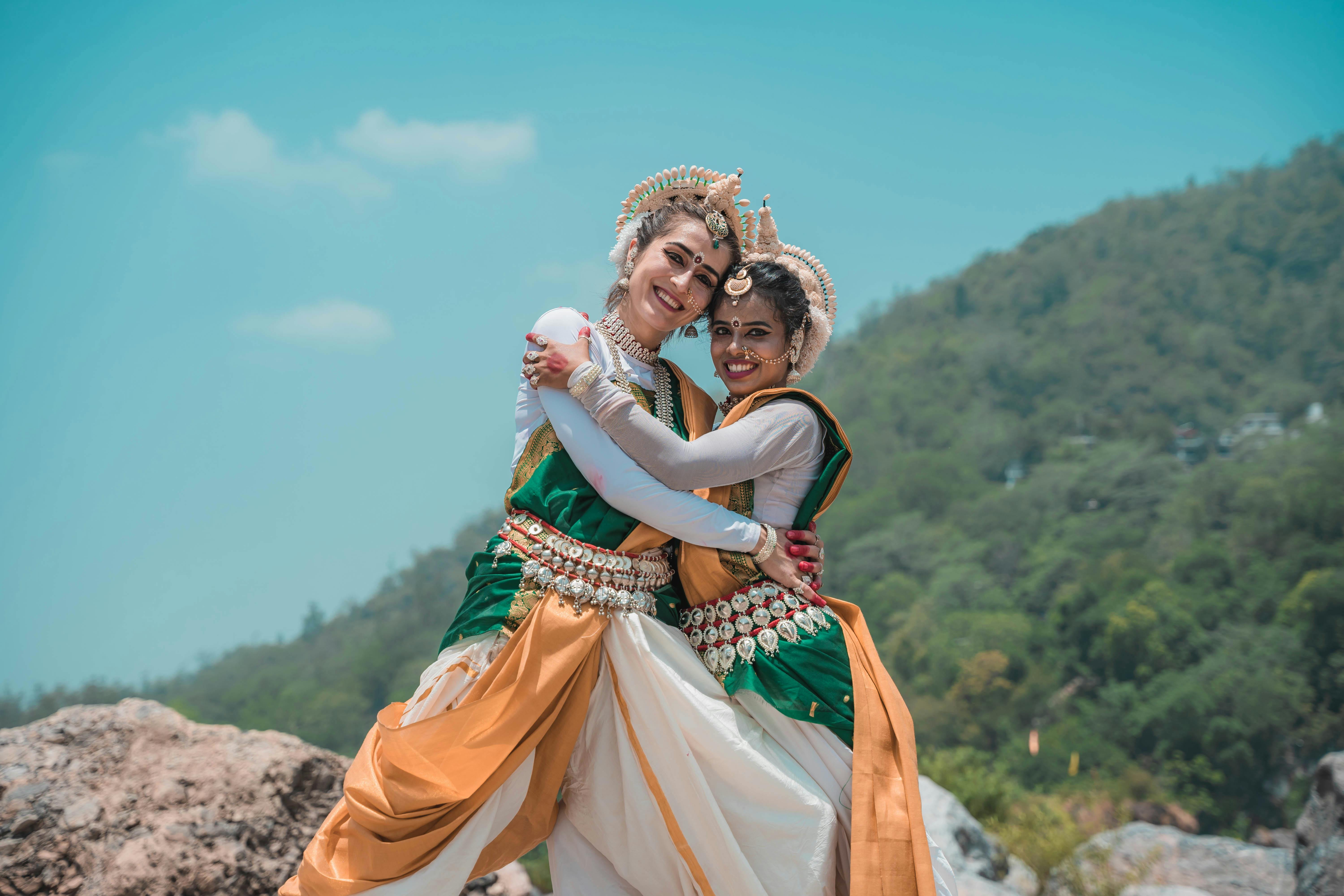


As winter settles across America, Indian dance festivals and events illuminate stages from coast to coast with the mesmerizing rhythms of classical and contemporary movements. These celebrations serve as vital cultural bridges connecting the Indian-American diaspora to their ancestral heritage while introducing broader audiences to the profound beauty of traditional and fusion dance forms. The late 2025 season promises an exceptional array of festivals that showcase the evolution of Indian classical dance in American settings, demonstrating how ancient art forms continue to thrive and adapt in modern multicultural communities.
The Cultural Significance of Indian Dance in America
Indian classical dance forms have found fertile ground in American soil, where diaspora communities have carefully preserved these ancient traditions while allowing them to evolve. The eight classical dance styles, Bharatanatyam, Kathak, Odissi, Kuchipudi, Mohiniyattam, Manipuri, Kathakali, and Sattriya, each carry centuries of spiritual and cultural meaning, serving as living repositories of Indian mythology, philosophy, and artistic expression.
These dance forms function as powerful tools for cultural preservation within Indian-American families. Parents often enroll their children in dance classes not merely for artistic development, but as a means of maintaining connection to their heritage. The intricate hand gestures (mudras), facial expressions (abhinaya), and rhythmic footwork create a comprehensive language that communicates stories from Hindu epics, devotional themes, and contemporary narratives.
The transformation of these traditional forms within American contexts has produced remarkable innovations. Choreographers blend classical techniques with modern themes, addressing the immigrant experience, intergenerational relationships, and social justice issues. This evolution reflects the dynamic nature of cultural expression, demonstrating how tradition and innovation can coexist harmoniously.
Major Winter Dance Festivals Across America
Cleveland Thyagaraja Aradhana Festival
The Cleveland Thyagaraja Aradhana stands as one of the most prestigious Indian-American performing arts events, typically held in March. This festival combines music and dance in tribute to the legendary composer Thyagaraja. These events promise exceptional dance performances featuring renowned artists from both India and America, showcasing classical Bharatanatyam and Kuchipudi alongside innovative fusion pieces.
San Francisco Bay Area Dance Festival
The Bay Area's winter dance celebration has grown into a month-long series of events spanning February and March. Multiple venues across San Francisco, San Jose, and Oakland host performances that range from traditional solo recitals to large ensemble productions. This festival particularly emphasizes the work of second and third-generation Indian-American choreographers who blend their inherited traditions with contemporary American dance influences.
New York Metropolitan Dance Celebration
New York's winter season features multiple overlapping festivals throughout Lincoln Center, Brooklyn Academy of Music, and various cultural centers in Jackson Heights. The city's diverse Indian community contributes to programming that represents regional variations of classical dance styles, often accompanied by traditional musical performances that enhance the authentic cultural experience.
Chicago Midwest Indian Dance Festival
Chicago's festival, scheduled for late February, focuses specifically on the intersection of classical and folk dance traditions. Performers present Bollywood-influenced choreography alongside pure classical presentations, creating programs that appeal to diverse audiences while maintaining artistic integrity.
Classical Dance Forms Taking Center Stage
Bharatanatyam dominates many festival programs due to its visual grandeur and spiritual depth. Originating in Tamil Nadu, this dance form requires years of rigorous training to master its complex vocabulary of movements. American Bharatanatyam practitioners have developed distinctive teaching methodologies that make this ancient art accessible to students from diverse cultural backgrounds while preserving its essential characteristics.
Kathak, with its spinning turns and intricate footwork, has found particular resonance in American dance communities. Its historical connections to Mughal courts and its capacity for improvisation make it especially appealing to audiences familiar with jazz and contemporary dance forms. Winter festivals often feature Kathak performances that incorporate American musical elements while maintaining traditional rhythmic structures.
Odissi brings sculptural beauty to festival stages through its poses inspired by temple carvings. The dance form's emphasis on devotional themes and its relatively recent revival make it particularly meaningful for diaspora communities seeking to reconnect with authentic Indian artistic traditions.
Fusion Innovations and Contemporary Expressions
The evolution of Indian-American performing arts has produced remarkable fusion innovations that honor traditional forms while speaking to contemporary experiences. Choreographers like Ananya Chatterjea, Shantala Shivalingappa, and numerous emerging artists have created works that address immigration, identity, social justice, and intergenerational communication through movement.
These fusion pieces often incorporate elements from multiple Indian classical styles, creating hybrid forms that reflect the multicultural reality of American life. Some choreographers integrate Western contemporary dance, hip-hop, or even martial arts elements, producing performances that resonate with diverse audiences while maintaining clear connections to Indian aesthetic principles.
The winter 2025 festival season showcases several world premieres that address current social issues through classical dance vocabulary. These works demonstrate the continued relevance of ancient art forms in contemporary discourse, proving that traditional dance can serve as a powerful medium for modern storytelling.
Community Impact and Cultural Preservation
Indian dance festivals serve crucial roles in maintaining cultural connections for diaspora communities. These events provide opportunities for families to expose their children to traditional art forms in professional settings, reinforcing lessons learned in community dance schools. The festivals also create spaces for cultural exchange, where non-Indian audiences can experience authentic artistic traditions in respectful, educational contexts.
The economic impact of these festivals extends beyond immediate ticket sales. They support costume designers who create elaborate traditional Indian attire, jewelry makers specializing in classical dance ornaments, and small businesses providing related cultural services. Festival weekends often feature vendor markets offering traditional crafts, books, and food items, creating comprehensive cultural experiences.
Educational components of winter dance festivals include workshops, lecture-demonstrations, and master classes that serve both artistic and cultural education purposes. These programs help preserve detailed knowledge of dance techniques, mythology, and philosophical concepts that might otherwise be lost in the diaspora context.
The Role of Technology and Digital Platforms
The integration of digital technology has transformed how Indian classical dance reaches audiences in America. Live streaming of festival performances allows extended family members in India to participate virtually, while social media documentation helps preserve performances for future reference. Many festivals now offer hybrid programming that combines in-person and digital elements, expanding their reach beyond geographical limitations.
Digital platforms also facilitate collaboration between artists across different cities, enabling the creation of larger-scale productions that might not be possible within single local communities. Video technology allows students to access instruction from renowned teachers in India while participating in American festival productions.
Seasonal Programming and Cultural Calendar Integration
Winter dance festivals strategically align with the Indian cultural calendar, often coinciding with festivals like Vasant Panchami or Maha Shivratri. This timing creates natural thematic connections between dance performances and religious or seasonal celebrations, enhancing the cultural authenticity of the artistic presentations.
Many festivals coordinate their programming with local Indian restaurants and cultural organizations to create comprehensive cultural experiences. Festival-goers might enjoy traditional Indian cuisine before performances, visit temple celebrations, or participate in related cultural workshops, creating immersive experiences that extend beyond the performance venues.
Celebrating Cultural Continuity Through Movement
The winter Indian dance festivals of late 2025 represents a vibrant tapestry of cultural preservation and artistic innovation. These celebrations demonstrate the remarkable capacity of traditional art forms to adapt and thrive in new geographical and cultural contexts while maintaining their essential spiritual and aesthetic qualities. Through the dedication of artists, teachers, and community leaders, Indian classical dance continues to serve as a bridge between generations and cultures, ensuring that ancient wisdom remains relevant for contemporary audiences.
The profound impact of these festivals extends far beyond entertainment, creating spaces for cultural education, community building, and artistic development that strengthen the broader fabric of American multicultural society. As these celebrations continue to evolve, they promise to introduce new generations to the beauty and depth of Indian artistic traditions while fostering greater understanding and appreciation across diverse communities.
Visit United Tribes today and find out more about Indian culture and community events in your area, connecting with the rich traditions and vibrant celebrations that make up America's diverse cultural landscape.


