
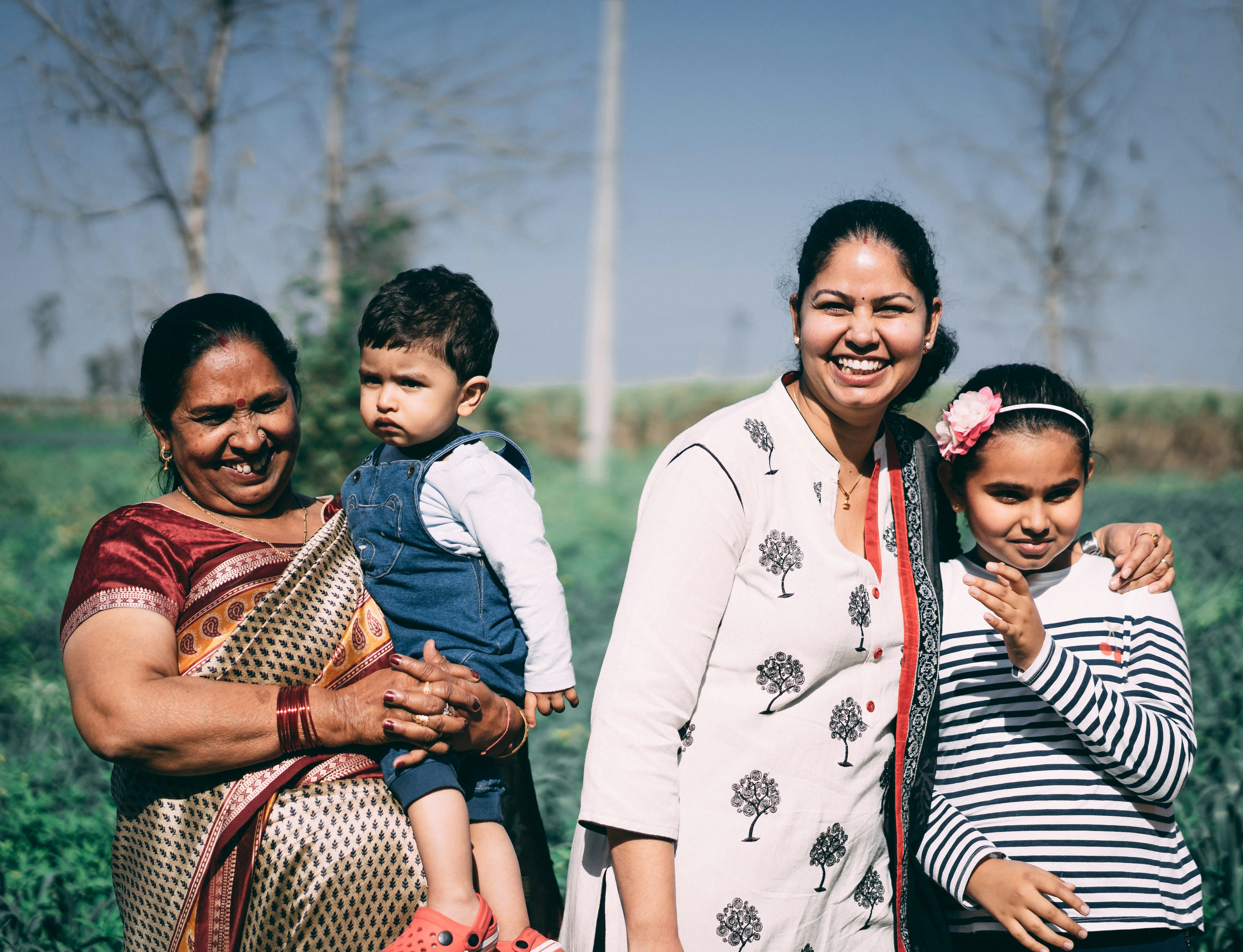


The late winter period, particularly from January through early March, represents a precious window of calm before the exuberant festival celebrations of spring commence. This quieter time offers Indian families an opportunity to reconnect, reflect, and prepare for the cultural richness that lies ahead.
The Rhythm of Late Winter in Indian Households
Late winter in Indian families follows a distinct pattern that balances rest with purposeful activity. As the last remnants of winter festivals fade and before spring celebrations begin, families settle into routines that prioritize togetherness and cultural transmission. This season often coincides with the academic calendar's quieter periods, allowing children and adults to engage more deeply in family traditions.
Evening gatherings become the cornerstone of late winter family life. Extended families often convene around warming foods, sharing stories that connect younger generations to their heritage. The cooler weather naturally draws people indoors, creating perfect conditions for intimate conversations and shared activities that might be overlooked during busier seasons.
Seasonal foods play a central role during this time, with families preparing warming dishes like kheer, halwa, and various dal preparations that comfort both body and soul. These culinary traditions serve dual purposes: nourishing the family through the last weeks of winter while teaching younger members essential cooking techniques and recipe histories.
Storytelling and Cultural Transmission
The late winter season provides an ideal backdrop for one of the most treasured Indian family traditions: storytelling. With longer evenings and fewer external commitments, families naturally gravitate toward sharing narratives that preserve cultural memory and family history.
Grandparents often take center stage during these sessions, recounting tales from the Ramayana and Mahabharata, family migration stories, or memories from their own childhoods. These storytelling sessions serve multiple purposes beyond entertainment – they transmit moral values, cultural knowledge, and family identity across generations.
Children in Indian families during late winter often receive a unique form of education outside formal academic settings. They learn about their ancestors' villages, understand the significance of family traditions, and absorb cultural nuances that textbooks cannot convey. This oral tradition ensures that Indian heritage remains vibrant and relevant in contemporary family life.
Creating Sacred Spaces for Family Connection
Many Indian families use late winter to establish or renew sacred spaces within their homes. This might involve reorganizing puja rooms, updating family photos, or creating meditation corners where family members can gather for prayer and reflection.
Maintaining the family altar becomes a shared responsibility, teaching children about religious observances while creating opportunities for daily family interaction. These activities strengthen spiritual bonds while providing practical lessons in cultural practice and devotion.
Preparation Rituals for Spring Festivals
Late winter is a crucial period for preparing the vibrant spring festivals that define Indian seasonal life. Families use this time to plan, prepare, and anticipate celebrations that will soon fill their calendars with joy and community connection.
Festival preparation during late winter includes both practical and spiritual elements. Families begin gathering materials for upcoming celebrations, planning menus for festive gatherings, and discussing travel arrangements for family reunions. This anticipatory period builds excitement while ensuring that festivals receive proper attention and preparation.
Cleaning and organizing become a family affair during late winter, as households prepare their spaces for spring celebrations. Children learn the importance of creating clean, welcoming environments for festivals while participating in activities that teach responsibility and pride in their living spaces.
The creative home decoration ideas that families explore during this season often influence their approach to upcoming spring celebrations, as they experiment with traditional and contemporary decorating techniques.
Educational and Cultural Activities
Educational pursuits flourish during late winter as families have more time to focus on cultural learning. Children might begin learning classical music, practicing traditional dances, or studying regional languages that connect them to their heritage.
Reading sessions featuring Indian literature, mythology, and contemporary authors become regular family activities. Parents often choose this season to introduce children to works by celebrated Indian authors or to explore texts that explain cultural traditions and historical events.
Community Building Through Intimate Gatherings
While late winter emphasizes family intimacy, it also provides opportunities for meaningful community connections. Indian families often host smaller, more intimate gatherings during this season, strengthening bonds with friends and neighbors who share cultural backgrounds.
Potluck dinners featuring seasonal Indian cuisine allow families to share traditional recipes while children play together and adults exchange cultural knowledge. These gatherings serve as practice for larger spring celebrations while maintaining important social connections.
Study groups for children learning Indian languages or cultural subjects often form during late winter. Parents collaborate to ensure their children maintain connections to their Indian heritage while navigating the American education system and social environments.
The spirit of building community through celebration that characterizes Indian culture continues even during quieter seasons, as families find meaningful ways to connect with others who share their values and traditions.
Wellness and Mindfulness Practices
Late winter offers an excellent opportunity for Indian families to focus on wellness practices rooted in traditional Indian health and mindfulness. Ayurvedic principles guide many families' seasonal routines, emphasizing foods and activities that help balance the body as it transitions from winter to spring.
Yoga and meditation often become more prominenting late winter as families seek activitiestheyt canpracticed indoorsthat promoteg physical and mental well-being. Parents frequently use this season to introduce children to these practices in age-appropriate ways.
Preserving Traditions in Contemporary Settings
Modern Indian families face unique challenges in maintaining traditional practices while adapting to contemporary American lifestyles. Late winter provides valuable time to address these challenges thoughtfully and creatively.
Balancing traditional and modern elements becomes easier during the slower pace of late winter. Families can experiment with incorporating Indian traditions into American routines without the pressure of major festivals or busy schedules.
Language preservation receives special attention during late winter as families dedicate time to speaking regional Indian languages, reading traditional texts, or practicing writing scripts that connect children to their linguistic heritage.
Embracing Cultural Continuity Through Seasonal Rhythms
The late winter season offers Indian families a precious opportunity to strengthen cultural bonds, prepare for upcoming celebrations, and ensure that traditions continue to thrive across generations. Through storytelling, shared meals, and intimate gatherings, families create lasting memories while transmitting essential cultural knowledge to younger members.
As families across America continue to navigate the beautiful balance between honoring their heritage and embracing their contemporary lives, these seasonal rhythms offer a sustainable approach to cultural preservation. Visit United Tribes today and find out more about Indian culture and community.


