
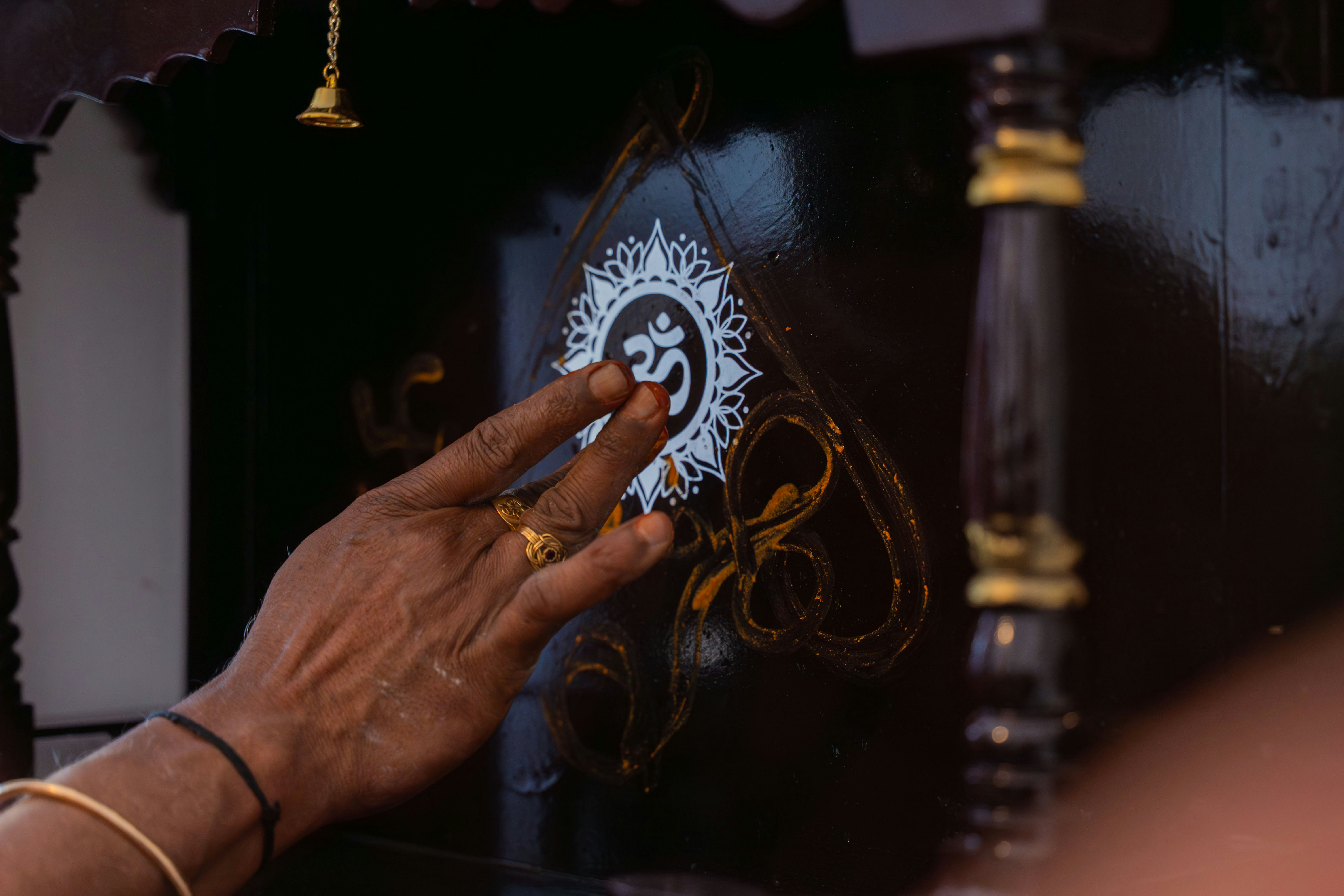


For Indian-American families across the United States, the home also serves as a sacred repository of cultural memory, tradition, and spiritual practice. These households transform everyday routines into meaningful expressions of heritage, creating bridges between ancestral customs and contemporary American life. Through carefully curated spaces, deliberate daily practices, and intentional family traditions, Indian-American home traditions flourish as living testimonies to the enduring power of cultural identity.
The Sacred Geography of Indian-American Homes
Indian culture manifests most prominently in the deliberate organization of domestic spaces that honor both practical living and spiritual practice. The mandir or prayer room stands as the spiritual heart of many Indian-American homes, often occupying the most auspicious corner according to Vastu Shastra principles. These sacred spaces house brass and marble deities, hand-carved wooden altars brought from India, and family heirlooms that connect generations across continents.
Beyond the formal prayer room, Indian-American families create cultural anchors throughout their homes. Kitchen spaces prominently display brass vessels, traditional spice containers called masala dabbas, and copper water vessels that serve both functional and symbolic purposes. Living rooms often feature family photographs alongside images of spiritual teachers, creating visual narratives that weave together American achievements and Indian spiritual guidance.
The entrance areas of these homes frequently showcase rangoli patterns during festivals, brass lamps that welcome prosperity, and kalash vessels filled with rice and adorned with mango leaves. These elements transform ordinary doorways into threshold spaces that honor visitors while announcing the household's cultural identity to the broader American community.
Daily Rituals That Preserve Heritage
Morning routines in Indian-American households often begin before dawn with the lighting of diyas and the soft chanting of Sanskrit verses. Parents wake early to perform puja, offering flowers, rice, and sacred water to household deities while children gradually absorb these rhythms as natural parts of daily life. The aarti ceremonies that conclude these morning prayers fill homes with the fragrance of incense and the gentle sound of brass bells.
Meal preparation becomes another daily ritual that preserves cultural memory. Mothers and grandmothers grind fresh spices each morning, prepare chapatis by hand, and maintain tadka techniques that have remained unchanged for generations. These kitchen practices serve as informal cultural classrooms where children learn traditional recipes alongside stories about their ancestral villages and family histories.
Evening routines often include family prayers where multiple generations gather to recite Sanskrit shlokas, sing bhajans, or simply share moments of gratitude. These practices create cultural continuity, helping Indian-American children understand their heritage as a living tradition rather than a historical artifact.
Seasonal Celebrations and Home Transformations
Indian-American homes undergo dramatic transformations during festival seasons, becoming showcases of cultural creativity and community pride. During Diwali, families invest weeks in making home decorations to create a festival atmosphere that rivals celebrations in India itself.
Navratri preparations transform living rooms into dance spaces where families practice traditional garba and dandiya steps together. Mothers teach daughters intricate mehendi patterns while fathers help sons understand the spiritual significance behind each celebration. These home-based festivities create cultural education opportunities that supplement formal religious instruction.
During Ganesh Chaturthi, many families temporarily convert portions of their homes into community gathering spaces, inviting neighbors and friends to participate in traditional ceremonies. These celebrations demonstrate how Indian-American households serve as cultural ambassadors, sharing heritage with broader American communities through hospitality and inclusive festivities.
Food Culture as Identity Preservation
The Indian-American kitchen operates as the most important cultural preservation space within these households. Traditional cooking methods, passed down through generations of women, create sensory memories that anchor children to their heritage throughout their lives. The daily preparation of fresh rotis, the careful tempering of dal, and the artful balancing of spices in curries represent sophisticated cultural practices disguised as routine meal preparation.
Pickle-making sessions have become annual family traditions, where grandmothers teach younger generations to prepare achars using recipes unchanged for centuries. These preservation techniques create not just condiments but cultural continuity, ensuring that authentic flavors remain available throughout the year.
Special-occasion cooking transforms Indian-American homes into temporary restaurants where extended families gather to prepare elaborate feasts. During celebrations like Karva Chauth or Holi, these kitchens buzz with collaborative cooking that strengthens family bonds while preserving traditional recipes that might otherwise disappear in American suburban settings.
Language and Storytelling Traditions
Indian culture thrives in homes where multiple languages create rich linguistic landscapes that honor both heritage and adaptation. Parents often establish language policies that designate certain times of day or specific activities for use exclusively in Hindi, Tamil, Bengali, or other regional Indian languages, creating immersion opportunities within American suburban environments.
Evening storytelling sessions frequently feature traditional tales from the Ramayana, Mahabharata, or regional folklore, with grandparents serving as cultural repositories who share wisdom through engaging narratives. These stories often include moral lessons embedded within entertaining plots, helping children understand Indian values while developing an appreciation for sophisticated storytelling traditions.
Music and poetry also flourish in these domestic spaces, with families gathering around harmoniums or tablas for informal concerts that celebrate classical Indian musical traditions. Children learn devotional songs, classical ragas, or regional folk music that connects them to specific geographical and cultural roots within India's diverse landscape.
Creating Community Within Private Spaces
Indian-American homes often serve as community centers that extend cultural preservationbeyond individual families. Satsang groups meet regularly in living rooms to discuss spiritual texts, practice kirtan, or simply share experiences about maintaining Indian identity within American society. These gatherings create support networks that help families navigate cultural challenges while celebrating shared heritage.
Cultural classes often occur in basement spaces converted into learning centers where children study classical Indian dance forms like Bharatanatyam or Kathak, learn traditional musical instruments, or practice Sanskrit recitation. Parents volunteer as teachers, sharing specialized knowledge that might not be available through formal American educational institutions.
Holiday cooking cooperatives transform individual kitchens into collaborative spaces where neighbors work together to prepare traditional festival foods that require extensive time and specialized techniques. These arrangements create efficiency while building community bonds that replicate extended family structures from India.
Preserving Culture Through Mindful Living
Through deliberate daily practices, seasonal celebrations, and community-building efforts, Indian households create cultural sanctuaries that ensure Indian heritage continues to flourish across generations. The careful balance between preservation and adaptation demonstrates the remarkable resilience of Indian-American home traditions that honor ancestry while embracing new possibilities.
These domestic spaces prove that culture thrives not through rigid preservation but through dynamic engagement with tradition, allowing for growth and evolution. As Indian-American families continue to establish roots throughout the United States, their homes serve as bridges between worlds, creating opportunities for cultural exchange while maintaining strong connections to ancestral wisdom.
Visit United Tribes today to learn more about Indian culture and communities across America.


