
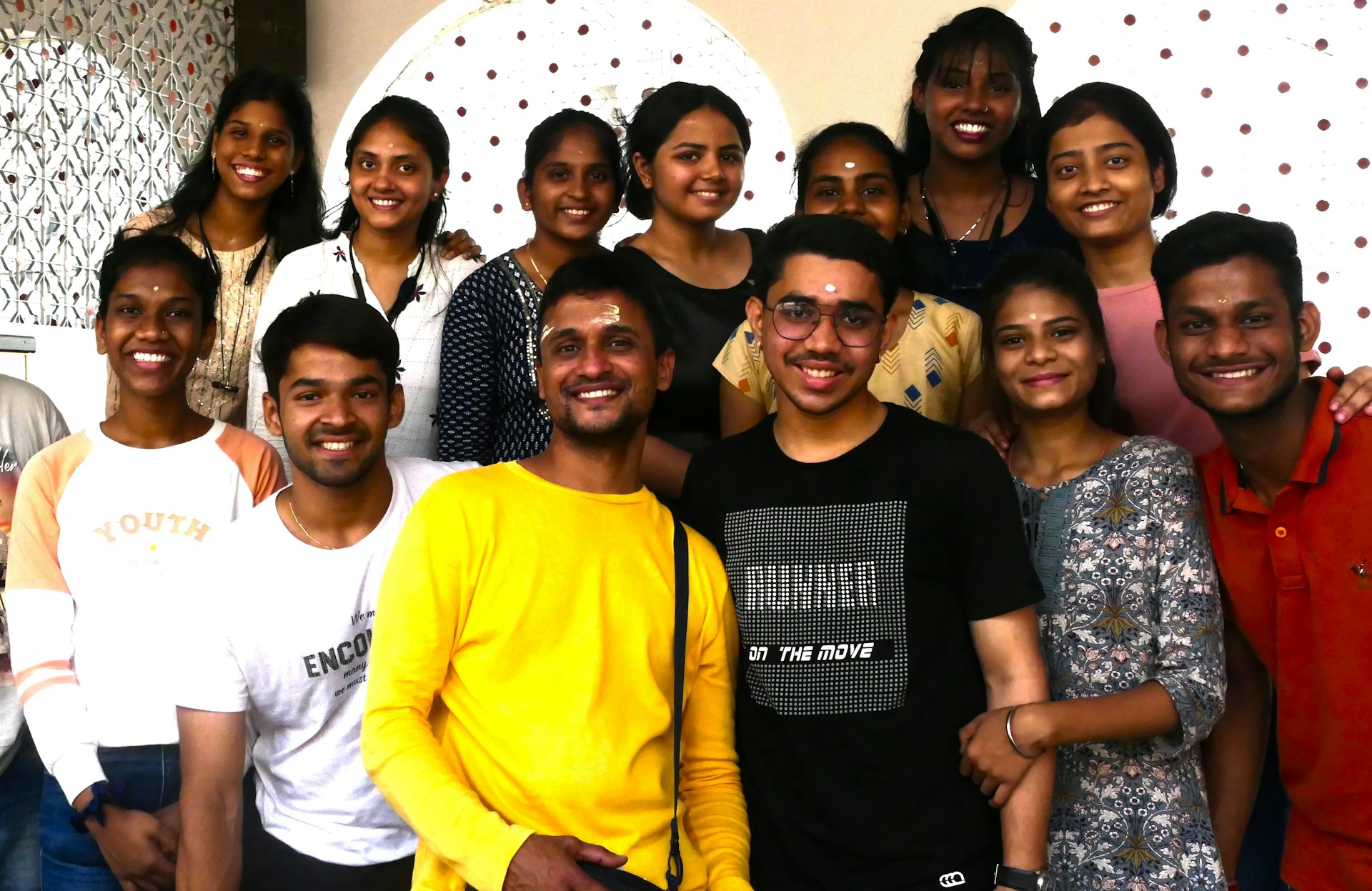

Many people dream of moving abroad. But in recent years, hundreds of Indians have turned this dream into reality.

Welcome to United Tribes
Where Indian Culture Comes Alive
Join Your Tribe
Connect with your people
Discover Events
Watch parties & festivals
Find Indian Businesses
Restaurants, markets & more
Earn Crown Credits
Get rewarded for engaging
Around 35.4 million Indians live overseas, making them one of the largest diasporas worldwide. Countries like the United States, the United Kingdom, Canada, and Australia are home to lively Indian communities. In the U.S. alone, 5.4 million Indians live in our cities and towns.
Living far away from home has its joys and challenges, though. Keep reading to find out the rewards and hurdles of exploring new cultures for Indian immigrants.
The Joys of Indian Expat Life
Indian expats have gained the following benefits from living overseas:
Cultural Exchange & Personal Growth
Living abroad means meeting and interacting with new people from different backgrounds. Indian expats find themselves in multicultural environments that broaden their perspectives.
Whether they work in an international company or study in a foreign university, Indian immigrants are exposed to different perspectives. This helps them grow and adjust to their new environment. Plus, Indian expats get new friends, build their professional network, and create lifelong connections.
Seeing Indian Culture Out Into the World
From Bollywood movies in Paris to masala dosa in New York, Indians have helped bring their culture to global communities. Celebrating Diwali in a foreign city or encouraging colleagues to eat popular Indian street food sparks more than nostalgia. They’ve become tangible forms of soft diplomacy, too.
Many Indians living abroad are happy to share their heritage with others. Ultimately, they’re bringing different cultures together through food, fashion, and festivals. Local cultural centers, temples, and social gatherings help strengthen the bonds within the Indian community and their social life in foreign cities.
Better Career & Academic Opportunities
Moving abroad also offers better career and academic opportunities to Indian professionals and students.
For instance, companies worldwide always look for Indian workers. They’re specifically after tech, healthcare, and finance-focused professionals. On the other hand, foreign universities provide Indian exchange students and immigrant learners with modern facilities, up-to-date educational resources, and multiple research options. Studying abroad can even help young Indians break into the global workforce through important industry-related connections.
Overall, living and working abroad can make Indian students and professionals more competitive. Both can speed up their professional growth while giving them a better life, a common reason for people to migrate.
The Challenges Faced by Indians Abroad
Despite its perks, living abroad isn't always easy. Indian immigrants face these challenges while staying far from home.
Feeling Homesick & Disconnected from Culture
Most of the time, migration and homesickness stick together like glue. Missing family members, important celebrations, and traditional food can be too much to handle for Indian immigrants.
Also, different time zones mean fewer chances to contact relatives and friends back home. And even the simplest things, like failing to drink a good cup of chai, can feel like major losses. First-time expats and exchange students tend to face these challenges.
Language Barriers & Difficulty Communicating
While many Indians speak English, they may find it hard to understand different accents, slang, or languages.
In countries where English is the primary language, daily tasks like grocery shopping or visiting the doctor can cause stress for non-English speakers. Furthermore, cultural differences and low language proficiency can affect working and personal relationships.
If you want to live abroad, consider learning the local language before you go. When you’re fluent in a specific language, communicating with locals becomes easier.
Fitting In While Holding On to Their Roots
Indian immigrants are also pressured to blend into societies different from theirs. While that’s important, many expats want to stay connected to their roots. It sums up the Indian diaspora’s experience perfectly: trying to keep your heritage alive while seeking a better life.
Visa Issues & Immigration Policies
Finally, immigration laws and visa restrictions make an Indian expat’s life stressful. Getting work permits, student visas, or green cards (issued by American immigration authorities) can take some time and effort on your part.
The following have created challenges for Indian expats, whether they’re students or professionals:
- Revised immigration policies
- Stricter employment sponsorship rules
- Delays in processing permanent residency applications
In some cases, Indians abroad hold temporary visas while their applications remain pending. This uncertainty can affect their careers and plans for family, education, and investments.
How Indian Immigrants Are Building Community
Fortunately, Indian expats have found innovative ways to adapt to life abroad.
Finding Comfort in Community
To ease homesickness and stay connected to their roots, Indian immigrants either build or join local communities. They can find support systems at Indian grocery stores (which you can find in an online business listings directory), in temples, within small groups, and in WhatsApp group chats. From arranging carpools to celebrating Holi in public parks, these acts make Indian expats feel like they’re at home.
A solid Indian community and social life in foreign cities does wonders for one’s emotional well-being and ensures an enduring Indian heritage. Moreover, it lets new immigrants meet people from the same country, get new jobs, and even find someone to help take care of young children.
Raising Indian Kids Abroad
Indian parents living abroad worry about raising their children far from home. Will they lose touch with their roots? Will they learn their mother tongue?
Many immigrant families tackle this challenge by:
- Speaking regional dialects at home
- Enrolling kids in weekend cultural classes
- Enthusiastically celebrating Indian festivals
Above all, exposing Indian children to a multicultural environment can turn them into more empathetic and open-minded individuals. It also helps them adjust to new, unfamiliar settings.
Final Thoughts
Life as an Indian abroad carries pride and pain. There’s pride in representing and showcasing a centuries-old heritage, and there’s pain in one’s longing for a home that they now remember and see in photos and video calls. But for millions in the Indian diaspora, the journey is worth it.
Despite the different challenges faced by Indians abroad, many find a sense of purpose, progress, and community in their new homes. They bring different cultures together while being open to change. This balancing act is where the true beauty of the Indian expat life lies.
If you’re considering the move, we hope our guide helps you make the right decision. After all, home can be wherever you feel that you belong, but it’s hard to go far from it.
For more about Indian culture, visit the United Tribes blog or our India community page today.
Make United Tribes Your Preferred Source
Add United Tribes on Google to get the latest stories, cultural updates, and community events directly in your Google Search and Top Stories.


