
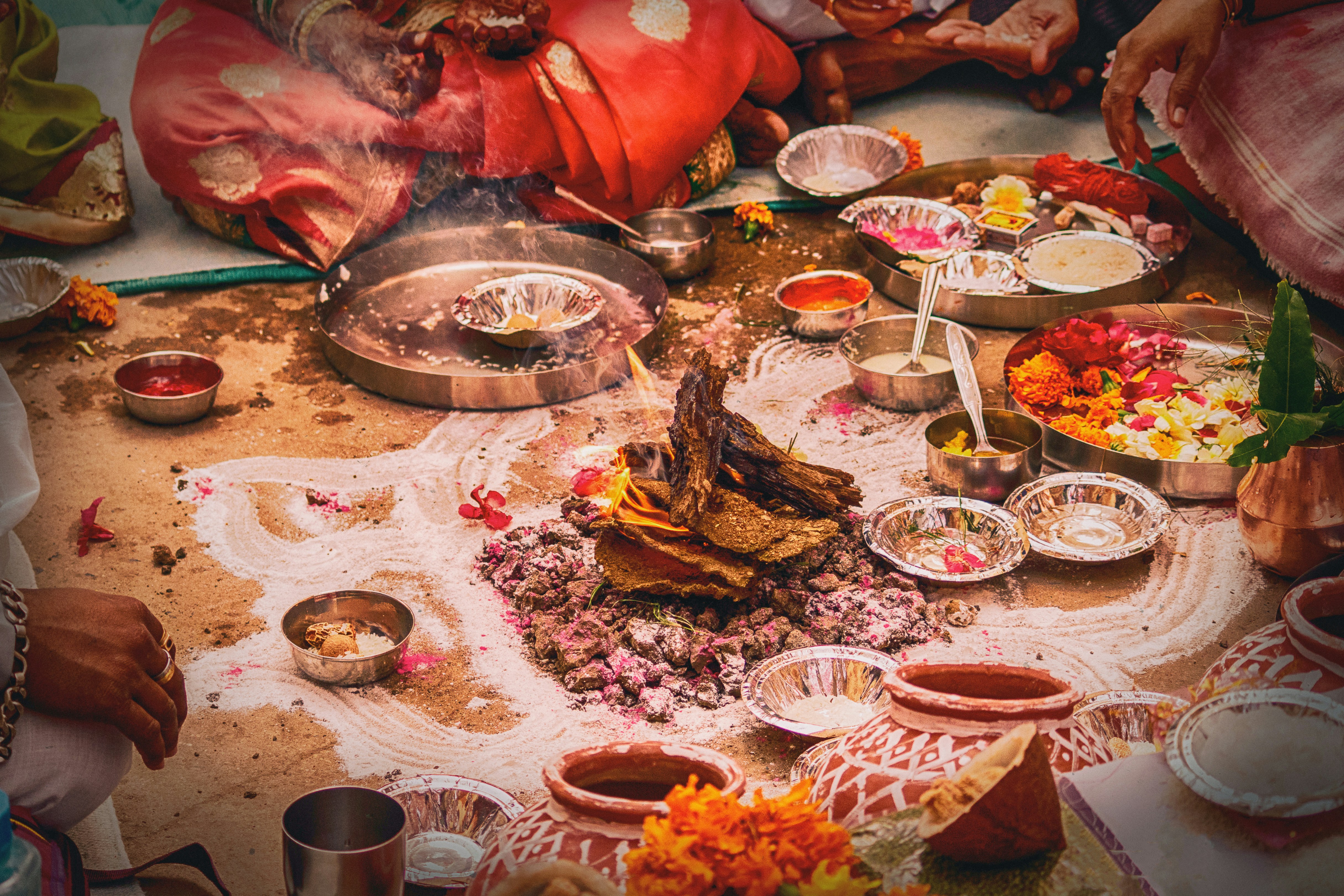


The gentle sound of temple bells, the fragrant aroma of incense, and the rhythmic chanting of morning prayers continue to define countless Indian households across America in 2026. While grand festivals like Diwali capture public attention, it's the daily rituals practiced within the sanctuary of home that truly preserve cultural identity and strengthen family bonds. These time-honored traditions, passed down through generations, create a spiritual foundation that guides families through the complexities of modern life.
The Sacred Dawn: Early Morning Spiritual Practices
The Indian morning begins before sunrise with a series of ritualistic practices that set the tone for the entire day. The Brahma Muhurta, occurring approximately 96 minutes before dawn, is considered the most auspicious time for spiritual activities. During this period, the mind is naturally calm and receptive to meditation and prayer.
Lighting the First Lamp marks the beginning of daily spiritual observance in Indian households. This practice, known as deepa pradeepa, involves lighting an oil lamp or diya in the family prayer room or altar area. The flame symbolically invites positive energy into the home by representing the removal of darkness and ignorance. Many families use traditional sesame oil or ghee, believing these substances carry purifying properties.
Morning Ablutions and Purification follow specific traditional guidelines that extend beyond basic hygiene. The practice includes oil pulling with sesame or coconut oil, tongue scraping with a copper implement, and ritualistic bathing with prayers. These daily Indian rituals serve both physical and spiritual purification purposes, preparing individuals for the day's spiritual activities.
Traditional Prayer Sequences
The morning prayer sequence typically begins with the Ganesha Vandana, seeking the removal of obstacles for the day ahead. Families often recite the Gayatri Mantra together, creating a powerful collective energy that strengthens family bonds. Children learn these Sanskrit verses from an early age, ensuring cultural continuity across generations.
Tulsi Worship holds special significance in Indian morning rituals. The sacred basil plant, revered as a manifestation of goddess Lakshmi, receives daily water offerings, circumambulation, and prayers.
Kitchen Sanctity: Food Preparation as Spiritual Practice
The Indian kitchen becomes a sacred space each morning through rituals and practices that honor food as a divine blessing. Anna Brahma, the concept of food as divine essence, influences every aspect of meal preparation in traditional Indian households.
Morning Kitchen Purification begins with cleaning and sprinkling sacred water around cooking areas. Many families burn incense or camphor to purify the space energetically. The first flame lit in the kitchen often coincides with a brief prayer, acknowledging the divine presence in the act of nourishment.
First Offering Traditions involve preparing small portions of the day's first prepared food as naivedya for deities. This practice, called bhog, ensures that divine blessing precedes family consumption. The food offered later, distributed as prasadam, carries spiritual significance, and family members consume it with reverence.
Sacred Cooking Practices
Mindful Preparation characterizes traditional Indian cooking, where meal preparation becomes a form of meditation. Cooks often recite mantras while grinding spices, kneading dough, or stirring preparations. This practice infuses food with positive energy and maintains the cook's spiritual awareness throughout domestic activities.
Water Blessing Ceremonies occur daily in many households, where drinking and cooking water receive brief prayers or mantra recitation. Some families add sacred materials, such as tulsi leaves or vibhuti, to water containers, believing these additions enhance the water's spiritual properties.
The practice of maintaining separate utensils for deity offerings ensures ritual purity in food preparation. These dedicated implements, often made of brass, silver, or copper, are used exclusively for preparing divine offerings and never for regular cooking purposes.
Prayer Room Rituals: The Heart of Spiritual Practice
The puja room, or dedicated worship space, serves as the spiritual center of Indian homes, where daily rituals maintain a connection with divine energies and ancestral traditions. This sacred space, carefully maintained and regularly blessed, provides a focal point for family spiritual activities.
Daily Altar Maintenance involves specific cleaning procedures, fresh flower offerings, and replacement of water in deity vessels. The practice of shodashopachar, sixteen traditional services to deities, may be simplified for daily observance, but it retains essential elements such as lighting incense, offering flowers, and providing fresh water.
Deity Awakening Ceremonies occur each morning as families gently wake their household deities through specific mantras and offerings.
Family Prayer Coordination
Collective Recitation brings families together for shared spiritual experiences that strengthen bonds across generations. Grandparents often lead these sessions, passing traditional pronunciations and meanings to younger family members. The practice ensures the transmission of cultural knowledge while creating daily opportunities for family interaction.
Individual Meditation Periods allow family members to pursue personal spiritual practices within the shared sacred space. Parents often model meditation techniques for children, demonstrating breathing exercises, mantra repetition, and contemplative practices that support mental health and spiritual development.
Children's Spiritual Education Through Daily Practice
Indian home traditions prioritize children's spiritual education through daily participation in family rituals. Rather than formal instruction, this education occurs naturally through observation, participation, and gradual assumption of ritual responsibilities.
Age-Appropriate Participation ensures children engage meaningfully with spiritual practices without feeling overwhelmed. Young children might simply ring bells or offer flowers, while teenagers learn complete prayer sequences and understand philosophical concepts underlying ritual actions.
Story Integration accompanies many daily rituals as parents share mythological stories, historical contexts, and moral teachings related to specific practices. These narratives provide cultural education while explaining the deeper significance of seemingly simple daily actions.
Cultural Identity Development
Language Preservation occurs naturally through daily Sanskrit mantra recitation and traditional song learning. Children absorb correct pronunciations and develop an appreciation for the beauty of classical language as they participate in family spiritual activities.
Values Transmission happens organically as children observe parents demonstrating respect, gratitude, discipline, and devotion through daily ritual practice. These observed behaviors become internalized values that guide children's character development and ethical decision-making.
The practice of assigning ritual responsibilities to children based on their age and capability fosters a sense of importance and belonging within family spiritual life.
Preserving Sacred Daily Traditions
The daily Indian rituals practiced in homes across America continue to serve as powerful tools for cultural preservation, family bonding, and spiritual development in 2026. These Indian home traditions create sacred rhythms that ground families in timeless wisdom as they navigate contemporary challenges. From the gentle lighting of morning lamps to evening prayers that gather multiple generations, these practices weave spirituality seamlessly into the fabric of daily life.
Visit United Tribes today and find out more about Indian culture and community connections that support your family's spiritual journey and cultural preservation efforts.


