
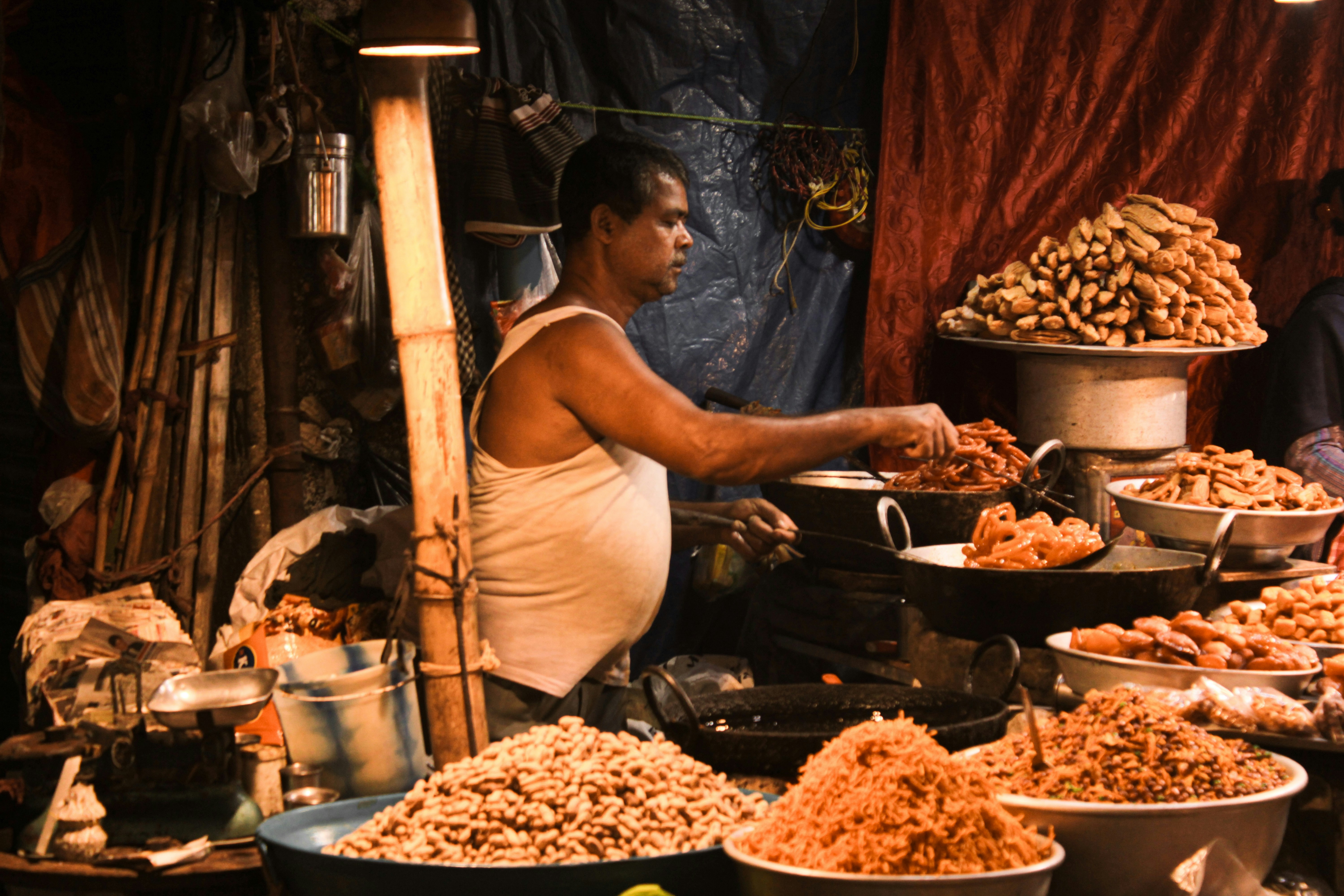

The vibrant world of Indian street food is making its mark across American cities through an exciting wave of pop-up stalls and markets. From the bustling streets of New York to the sunny farmers' markets of California, entrepreneurs are bringing authentic flavors of chaat, vada pav, and dosas to hungry food lovers everywhere. This culinary movement serves as a bridge, connecting the Indian diaspora to their roots while introducing American palates to the complex, bold flavors that define India's street food culture.
These pop-ups are transforming how Americans experience Indian cuisine, moving beyond traditional restaurant settings to create intimate, authentic encounters with India's most beloved street snacks. The Indian street food scene is flourishing as second-generation Indian Americans and recent immigrants alike seek to share their cultural heritage through food, creating vibrant community spaces that celebrate tradition while embracing innovation.

Welcome to United Tribes
Where Indian Culture Comes Alive
Join Your Tribe
Connect with your people
Discover Events
Watch parties & festivals
Find Indian Businesses
Restaurants, markets & more
Earn Crown Credits
Get rewarded for engaging
The Rise of Authentic Indian Street Food Culture
The emergence of chaat pop-ups across American cities reflects a growing desire within the Indian American community to preserve and share authentic culinary traditions. Unlike the adapted Indian restaurant fare that has dominated the American market for decades, these pop-ups focus on recreating the exact flavors, textures, and experiences found on India's bustling streets.
Street food authenticity drives these ventures, with vendors sourcing specific ingredients, such as black salt, tamarind concentrate, and fresh curry leaves, to ensure their offerings match the flavors of Mumbai's Chowpatty Beach or Delhi's Chandni Chowk. Many pop-up owners travel back to India regularly, not just to visit family but to research new recipes and techniques that they can bring to their American customers.
The community aspect of these pop-ups cannot be understated. They serve as gathering places where Indian Americans can find comfort foods that remind them of home, while also introducing non-Indian Americans to the incredible diversity of India's regional cuisines. These spaces serve as cultural ambassadors, breaking down barriers and fostering connections through shared meals and experiences.
Regional Specialties Taking Center Stage
Different regions of India are represented through specialized pop-ups focusing on their unique street food traditions. South Indian vendors bring crispy dosas, fluffy uttapams, and tangy sambhar, while Maharashtra specialists focus on vada pav, misal pav, and bhel puri. North Indian pop-ups feature chole bhature, gol gappa, and aloo tikki, each carrying the distinct flavors of their respective regions.
This regional diversity helps preserve the nuanced differences in Indian cuisine that often get lost in traditional Indian restaurants. Pop-up owners take pride in educating customers about the specific origins of each dish, sharing stories about how these foods developed in their home regions and what they mean to local communities.
Popular Street Foods Conquering American Palates
Chaat varieties have emerged as the superstars of the Indian street food scene in America. These tangy, spicy, sweet, and crunchy combinations offer complexity that American food lovers find irresistible. Bhel puri, with its combination of puffed rice, sev, chutneys, and fresh vegetables, offers a textural experience that keeps customers coming back for more.
Pani puri, also known as gol gappa, has become a showstopper at pop-ups across the country. The interactive nature of eating these crispy shells filled with spiced water creates an engaging experience that goes beyond just food consumption. Many vendors have adapted their pani puri service to meet American hygiene expectations while maintaining the authentic flavors and excitement of traditional preparation.
The vada pav, often referred to as the "Indian burger," has found particular success in cities with strong food truck cultures. This Mumbai street food consists of a spiced potato dumpling sandwiched in a bun with various chutneys, offering a familiar format with exotic flavors that appeal to American sensibilities.
Dosa Innovation and Adaptation
Dosa varieties have experienced remarkable creativity in American pop-ups. While traditional masala dosas remain popular, innovative vendors are experimenting with fusion fillings that incorporate local American ingredients while maintaining authentic preparation methods. Some pop-ups offer "dosa tacos" or breakfast dosas filled with scrambled eggs and cheese, creating bridge dishes that honor both cultures.
The visual appeal of dosa preparation, with vendors spreading batter on large griddles and creating perfectly golden crepes, has made these pop-ups popular at farmers' markets and food festivals. The performance aspect of dosa making draws crowds and creates opportunities for cultural education, complemented by delicious food.
Geographic Hotspots and Community Hubs
California's Bay Area leads the nation in Indian street food pop-up density, reflecting the region's large tech-savvy Indian population. Cities like Fremont, Sunnyvale, and parts of San Francisco host regular pop-ups that cater to both homesick Indians and adventurous locals. Weekend markets in these areas often feature multiple Indian street food vendors, creating mini festivals of flavor and culture.
New York and New Jersey represent another major hub for Indian cuisine diaspora expression through pop-ups. The dense Indian American population in areas like Edison, Jersey City, and Jackson Heights provides both a customer base and cultural support for these ventures. Many pop-ups in this region focus on recreating specific neighborhood flavors from Indian cities, targeting customers who recognize and crave those particular taste memories.
Texas cities like Houston and Dallas have seen growing Indian street food scenes, often incorporating local ingredients and techniques. Some Texas-based pop-ups experiment with adding local peppers to traditional chaats or serving Indian street foods alongside Tex-Mex favorites, creating unique fusion experiences.
Chicago's Growing Scene
Chicago's Indian community has enthusiastically adopted the pop-up model, with many vendors operating in the city's numerous neighborhoods with significant South Asian populations. The city's strong food culture and acceptance of diverse cuisines have created favorable conditions for Indian street food experimentation and growth.
Challenges and Adaptations in the American Market
Regulatory compliance presents ongoing challenges for Indian street food pop-ups operating in American cities. Traditional street food preparation methods must be adapted to meet health department requirements, leading to innovations in equipment and serving methods. Many vendors have invested in specialized mobile kitchens that allow them to maintain food safety standards while preserving authentic flavors.
Ingredient sourcing remains a significant challenge, particularly for vendors operating outside major metropolitan areas. Many pop-up owners have developed relationships with specialty importers or make regular trips to Indian grocery stores in distant cities to maintain authenticity. Some have begun growing their own curry leaves and other essential herbs to ensure freshness and availability.
Educational marketing becomes crucial for success, as many American customers remain unfamiliar with Indian street food concepts. Successful pop-ups invest time in explaining dishes, offering small samples, and sharing the cultural stories behind their offerings. This education process often becomes a rewarding aspect of the business, allowing vendors to serve as cultural ambassadors.
Understanding the broader context of Indian street food traditions beyond familiar favorites helps these vendors connect with both Indian and non-Indian customers seeking authentic experiences.
Seasonal Adaptations
Weather considerations force American pop-ups to adapt traditional Indian street food service methods. Cold winters in northern cities require heated serving areas and modified recipes that remain appealing in different climates. Some vendors have developed warm versions of traditionally cold dishes or seasonal menus that reflect both Indian festival calendars and American seasonal preferences.
Technology and Social Media Impact
Social media marketing has proven essential for the success of Indian street food pop-ups. Instagram and Facebook allow vendors to showcase their colorful, photogenic dishes while building communities around their brands. Many successful pop-ups have leveraged social media to share cooking processes, ingredient stories, and cultural context, thereby enhancing customer engagement and interaction.
Mobile ordering systems and food delivery apps have helped pop-ups reach broader audiences beyond their immediate geographic areas. Some vendors have developed hybrid models that combine traditional pop-up experiences with delivery services, maximizing their market reach while maintaining authentic preparation methods.
The intersection of Indian cultural expression and American digital platforms creates opportunities for these food entrepreneurs to build lasting community connections.
Future Growth and Community Building
Expansion opportunities for Indian street food pop-ups continue growing as American food culture becomes increasingly adventurous and diverse. Many successful pop-ups are transitioning to permanent locations or expanding to multiple cities, building brands around authentic Indian street food experiences.
Community partnerships with Indian cultural organizations, temples, and festival organizers provide stable customer bases and cultural legitimacy for these ventures. Many pop-ups participate in Diwali celebrations, Holi festivals, and other Indian cultural events, reinforcing their roles as community pillars rather than just food vendors.
The growing acceptance and popularity of vegetarian and vegan options in American dining culture particularly benefits Indian street food vendors, as many traditional dishes are naturally plant-based. This alignment with current American food trends positions Indian street food pop-ups for continued growth and mainstream acceptance.
Drawing inspiration from traditional Indian recipes and cooking methods helps these entrepreneurs maintain authenticity while building successful businesses in American markets.
Connecting Communities Through Authentic Flavors
The Indian street food pop-up movement in American cities is a powerful expression of cultural preservation, community building, and entrepreneurial spirit. These vibrant food ventures are successfully bridging the gap between traditional Indian flavors and American dining culture, creating spaces where the Indian diaspora can connect with their heritage while sharing their rich culinary traditions with neighbors and friends.
The future looks bright for this movement, with growing acceptance, expanding markets, and increasing recognition of Indian street food's unique place in America's diverse food landscape. Visit United Tribes today to learn more about the rich culture and community connections in your area.


