
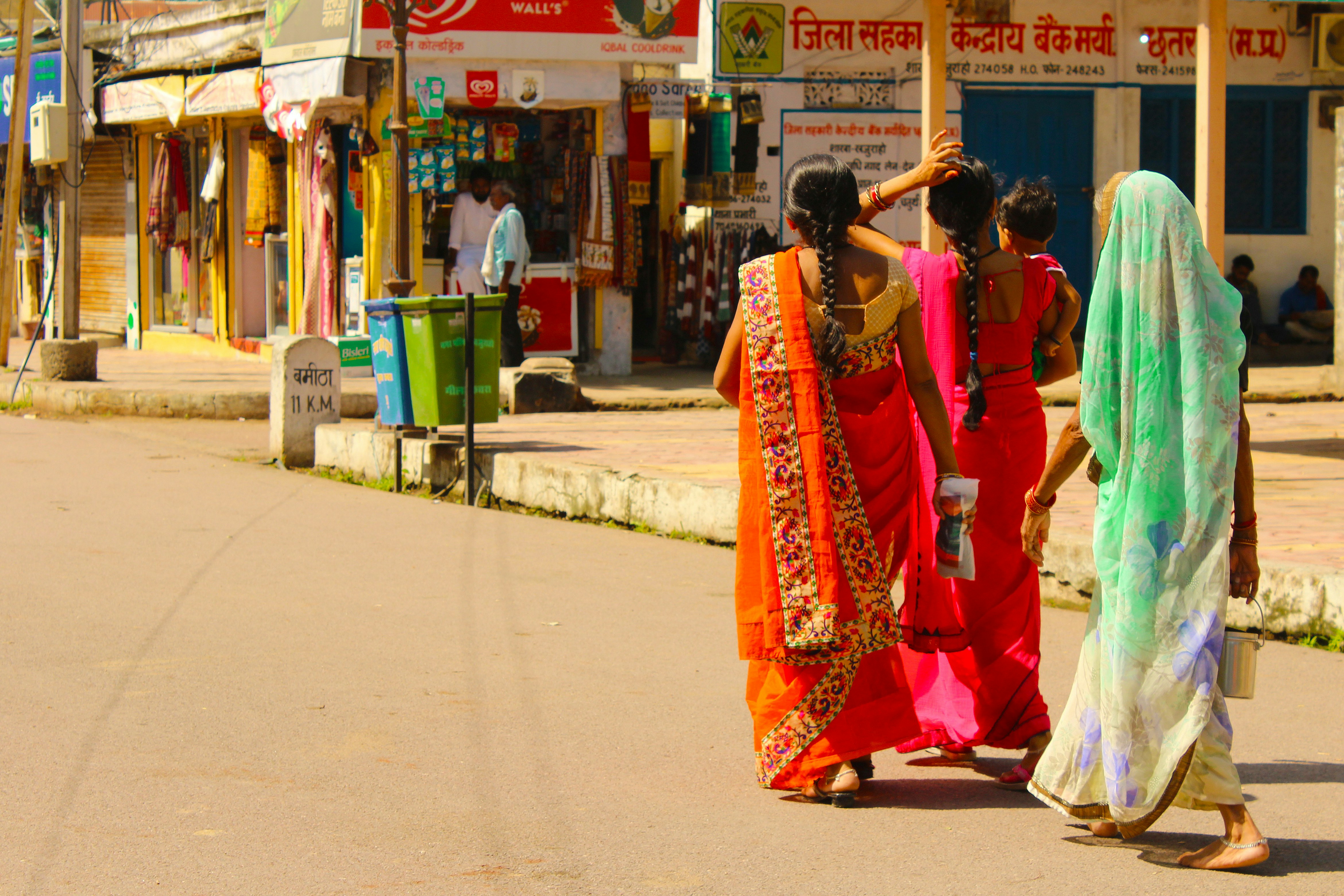


Indian traditional clothing has found a vibrant new home in the United States, where millions of Indian-Americans celebrate their heritage through the elegant draping of saris, the comfort of kurtas, and the grandeur of sherwanis. These timeless garments have transcended geographical boundaries, adapting beautifully to American lifestyles while maintaining their cultural significance. From boardroom meetings in New York to Diwali celebrations in California, the Indian clothing market continues to flourish as diaspora communities embrace both tradition and innovation.
The journey of these garments in America reflects a broader story of cultural preservation and evolution. Indian-Americans have masterfully woven their ancestral clothing traditions into the fabric of American society, creating unique fusion styles that honor the past while embracing contemporary aesthetics. This cultural bridge-building has given rise to a thriving industry where traditional craftsmanship meets modern design sensibilities.
The Timeless Elegance of Saris in American Settings
The sari remains one of the most recognizable symbols of Indian culture worldwide, and in the United States, it has found new expressions and occasions. Indian-American fashion designers have revolutionized how this ancient garment fits into modern American life, creating styles that work for everything from corporate events to cultural festivals.
Contemporary Sari Styling for American Occasions
Modern Indian-American women have developed innovative draping techniques that suit various American social settings. The traditional Nivi drape remains popular for formal occasions, while simpler styles, such as the Bengali drape or the modern pant-sari combination, have gained popularity in professional environments. Many women opt for pre-pleated saris or sari gowns that offer the elegance of traditional wear with the convenience required by busy American lifestyles.
The fabric choices have also evolved to meet the demands of climate and occasion across different American regions. Lightweight cotton and linen saris dominate summer wardrobes in states like Texas and Florida, while silk and velvet varieties are preferred for winter celebrations in northern states. This adaptation showcases how traditional Indian attire continues to evolve while maintaining its essential character.
Saris at American Cultural Events
Cultural festivals across America provide the perfect backdrop for sari appreciation. During Diwali celebrations in cities such as Houston, Chicago, and San Francisco, the variety of sari styles on display reflects the diverse regional traditions within the Indian diaspora. From Kanjeevaram silks representing South Indian heritage to Banarasi weaves celebrating North Indian traditions, these gatherings become showcases of India's textile diversity.
Wedding ceremonies have become particularly significant venues for sari innovation. Indian-American brides often opt for multiple saris for various wedding events, incorporating both traditional family heirlooms and contemporary designer creations. The mehendi ceremony might feature bright, printed cotton saris, while the main ceremony calls for heavily embellished silk varieties.
Kurtas: Versatile Comfort Meets Cultural Identity
The kurta has perhaps achieved the most seamless integration into American casual wear among all Indian garments. Its comfortable fit and versatile styling options have made it a favorite not only among Indian-Americans but also among Americans of other backgrounds who appreciate its aesthetic and comfort.
Modern Kurta Adaptations
Indian clothing and fashion designers have created numerous kurta variations specifically for the American market. Short kurtas paired with jeans have become weekend staples, while longer, more formal versions serve as alternatives to dress shirts for cultural events. The addition of contemporary elements, such as asymmetrical hems, modern prints, and innovative collar designs, has broadened the kurta's appeal.
Kurta styles for women have undergone particularly creative adaptations. Kurti tops paired with palazzo pants or leggings have become popular choices for Indian-American women seeking comfortable yet culturally connected attire for daily wear. These combinations work well in professional settings, particularly in tech hubs like Silicon Valley, where cultural diversity is celebrated.
Kurtas in Professional American Environments
Many Indian-American professionals have successfully incorporated kurtas into their work wardrobes, especially in creative industries and multicultural corporate environments. Well-tailored kurtas in solid colors or subtle patterns can project both professionalism and cultural pride. During cultural awareness months or diversity celebrations at American companies, kurtas often serve as conversation starters about Indian heritage and traditions.
Sherwanis: Ceremonial Grandeur in American Celebrations
The sherwani represents the pinnacle of Indian formal wear for men, and in American settings, it has found its place as the ultimate garment for special occasions. From graduation ceremonies to cultural galas, sherwanis provide Indian-American men with an elegant alternative to Western formal wear.
Wedding Sherwanis in American Settings
Indian-American grooms have adopted the sherwani as their preferred wedding attire, often selecting multiple outfits for various ceremonies. The American influence is evident in styling choices, such as incorporating Western accessories like bow ties or modern footwear. Destination weddings in scenic American locations, such as California vineyards or the Colorado mountains, have created stunning visual combinations of traditional sherwanis against the American landscape.
The customization options available through American-based Indian designers have expanded significantly. Grooms can now choose from contemporary cuts, fusion colors, and modern embellishment techniques while preserving the traditional essence of the sherwani. This personalization reflects the broader Indian-American experience of honoring heritage while embracing individual expression.
Sherwanis for Cultural and Social Events
Beyond weddings, sherwanis have become popular choices for various formal occasions in Indian-American communities. Cultural award ceremonies, charity galas supporting causes in India, and major festival celebrations provide opportunities for men to showcase these elegant garments. The garment's regal appearance makes it particularly suitable for leadership roles in community organizations and cultural associations.
Indian-American Fashion Designers Reshaping Traditional Wear
The rise of Indian-American fashion designers has been instrumental in adapting traditional clothing for contemporary American lifestyles. These designers understand both the cultural significance of traditional garments and the practical needs of modern American life.
Innovation in Traditional Techniques
Contemporary designers are experimenting with traditional embroidery techniques, applying them to modern silhouettes and fabrics. Machine embroidery combined with hand-finishing creates pieces that honor traditional craftsmanship while meeting the production demands of the American market. The use of sustainable fabrics and ethical production practices has also become increasingly important to environmentally conscious Indian-American consumers.
Sari kurta sherwani combinations have emerged as popular options for large celebrations, allowing individuals to change outfits throughout extended festivities while maintaining cultural authenticity. These coordinated collections make it easier for families to achieve cohesive looks for important celebrations.
Fusion Fashion Movements
The fusion fashion movement has gained significant traction among younger Indian Americans who seek to express their dual cultural identity through their clothing. Indo-western wear combines elements of traditional Indian garments with Western silhouettes, creating unique pieces that work in various American social contexts.
Examples include sari-inspired evening gowns that incorporate traditional draping elements with contemporary formal wear expectations, or kurta-style blazers that blend Indian aesthetics with Western professional attire. These innovations demonstrate how Indian music, film, and cultural influences continue to inspire creative expression in the fashion industry.
Seasonal Adaptations and Regional Preferences
The diverse American climate has influenced the adaptation of traditional Indian clothing across different regions. In colder states, layering techniques have been developed to make saris and kurtas practical for winter weather. Pashmina shawls, woolen dupattas, and thermal undergarments are commonly incorporated to maintain traditional aesthetics while ensuring comfort.
Summer adaptations focus on breathable fabrics and lighter colors, with cotton and linen becoming increasingly popular for everyday wear. Regional preferences have also emerged, with West Coast communities favoring more casual, fusion-style designs, while East Coast communities often prefer traditional cuts paired with contemporary fabrics.
Shopping and Accessibility in American Markets
The availability of Indian traditional clothing in America has expanded dramatically over the past decades. Major metropolitan areas now host numerous specialized boutiques, while online platforms have made authentic pieces accessible to Indian-Americans in smaller communities. This accessibility has been crucial in helping maintain cultural connections, especially for second- and third-generation Indian Americans.
Local artisans and tailors have also established businesses catering specifically to the needs of the Indian-American community, offering alteration services that understand the unique requirements of traditional garments. These services often become community hubs where cultural knowledge and styling tips are shared, strengthening the bonds within local Indian-American communities.
The integration of traditional Indian clothing into American life mirrors the broader experience of cultural preservation and adaptation. Whether worn for festival celebrations or everyday cultural expression, these garments continue to serve as bridges between ancestral traditions and contemporary American identity, creating a rich tapestry of cultural expression that enriches both individual lives and the broader American cultural landscape.
Embracing Heritage Through Fashion
The evolution of Indian traditional clothing in American settings represents a beautiful testament to the adaptability and enduring relevance of cultural traditions. Sari kurta sherwani styles continue to evolve while maintaining their essential character, allowing Indian-Americans to honor their heritage while fully participating in contemporary American society. The innovation shown by Indian-American fashion designers has created a thriving industry that serves not only the diaspora community but also introduces the broader American population to the beauty and sophistication of Indian textile traditions.
Whether you're seeking the perfect sari for a special occasion, a comfortable kurta for daily wear, or an elegant sherwani for a wedding celebration, the rich landscape of options available today reflects the vibrant, evolving nature of Indian-American cultural expression. Visit United Tribes today to discover more about the rich Indian culture and community celebrations taking place near you.


