
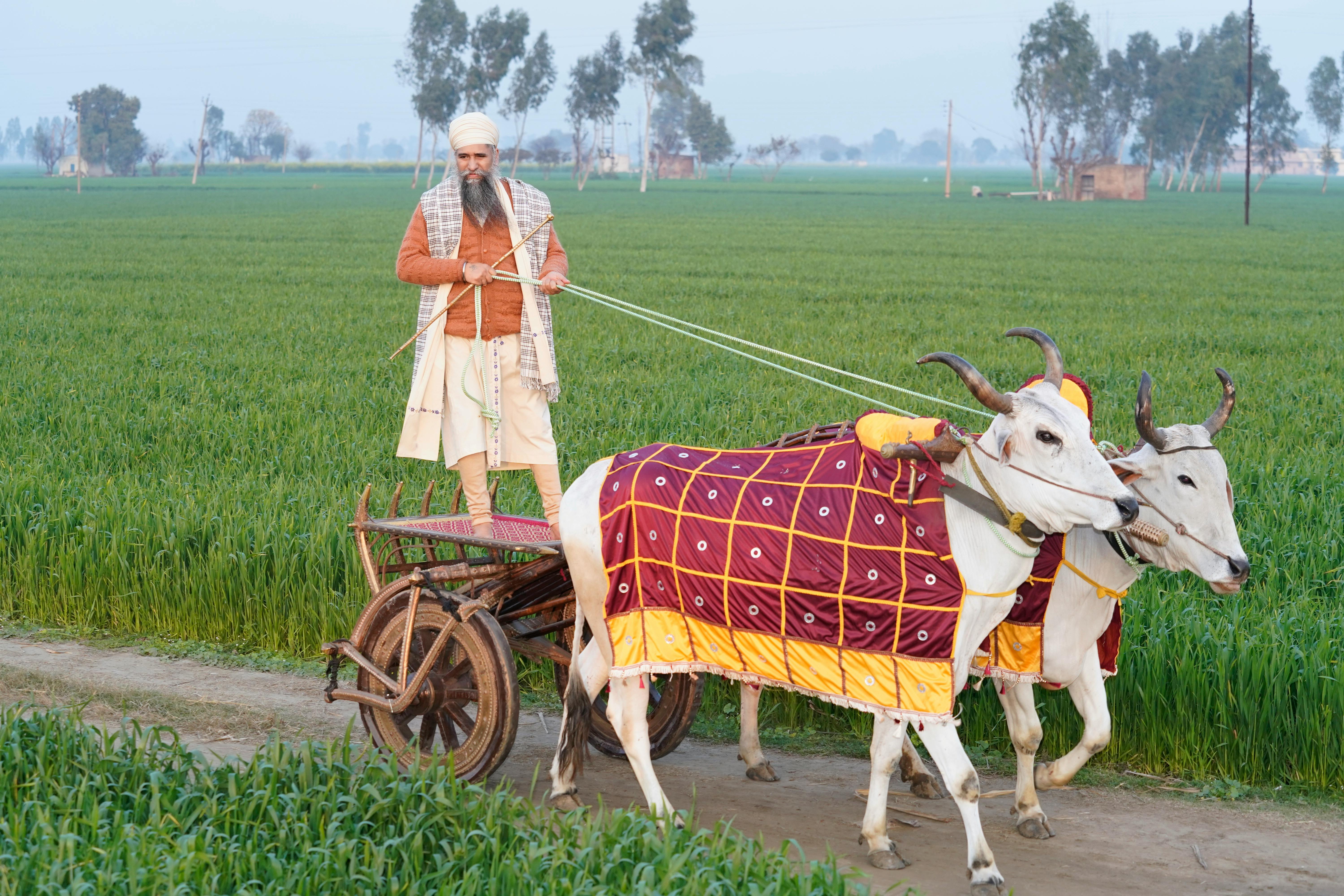


As winter reaches its peak and days begin to lengthen, Indian communities across the United States come together to celebrate some of the most vibrant and culturally significant festivals of the year. Lohri and Makar Sankranti, along with various regional harvest festivals, mark the winter solstice period and herald the arrival of longer days. These celebrations have found new life in American cities, where the Indian diaspora maintains deep connections to ancestral traditions while adapting to their new homeland.
From the bustling streets of Jackson Heights in New York to the tech corridors of Silicon Valley, Indian Americans gather in community centers, temples, and even public parks to celebrate these harvest festivals with the same enthusiasm as their ancestors did in Punjab, Gujarat, and other regions of India. The festivals serve not only as religious and cultural observances but as vital community-building events that strengthen bonds within the diaspora while introducing American neighbors to the richness of Indian traditions.
The Significance of Winter Solstice Festivals in Indian Culture
Lohri celebrations center around the winter solstice and the harvest of rabi crops, particularly in Punjabi communities. This festival, traditionally celebrated on January 13th, marks the end of winter and the beginning of longer days. In India's agricultural regions, Lohri is a celebration of gratitude for the harvest and a prayer for prosperity in the coming year.
Makar Sankranti, observed across various Indian states, celebrates the sun's transition into the zodiac sign of Capricorn (Makar). This astronomical event signifies the end of the winter solstice and the beginning of auspicious times. Different regions celebrate this festival with unique names and customs - from Pongal in Tamil communities to Uttarayan among Gujarati families.
The spiritual significance of these festivals extends beyond agricultural celebrations. They represent the triumph of light over darkness, knowledge over ignorance, and the cyclical nature of life. For Indian Americans, these festivals provide a vital connection to their cultural roots, offering opportunities to share their heritage with broader American communities.
Lohri Celebrations Across American Cities
Community Bonfires and Traditional Gatherings
Lohri celebrations have adapted beautifully to American settings while maintaining their essential character. In cities like Chicago, Detroit, and Los Angeles, Punjabi communities organize elaborate bonfire ceremonies in community centers and cultural halls. These gatherings feature the traditional Lohri fire, around which families circle while singing folk songs and throwing offerings of sesame seeds, jaggery, and popcorn.
The bonfire ritual, central to Lohri celebrations, has been creatively adapted for indoor venues where outdoor fires aren't feasible. Some communities use decorative fire bowls or LED flame displays that maintain the symbolic importance while accommodating safety regulations. The key elements remain unchanged: families gather, share stories, and celebrate the warmth of community during the coldest months.
Traditional Foods and Feast Preparations
Food plays a central role in Lohri celebrations, with communities preparing elaborate feasts featuring traditional Punjabi dishes. Makki ki roti (corn flatbread) and sarson ka saag (mustard greens) form the centerpiece of many celebrations, alongside til ke laddu (sesame seed sweets) and gur (jaggery-based treats).
Indian American families often blend traditional recipes with locally available ingredients, creating fusion dishes that honor ancestral flavors while embracing American influences. Community kitchens in temples and cultural centers become bustling hubs of activity as volunteers prepare thousands of meals for attendees of celebrations.
Makar Sankranti Festivities in U.S. Regions
Kite Flying Festivals and Community Competitions
Makar Sankranti celebrations are most famous for their spectacular kite-flying events. Gujarat and Rajasthani communities in cities like Houston, San Francisco, and Atlanta organize massive kite festivals that transform parks and open spaces into colorful aerial battlegrounds. These events attract hundreds of participants and spectators, creating vibrant community gatherings that bridge generations.
The traditional patang (kites) used in these celebrations are often imported directly from India, featuring intricate designs and strong manjha (string) for competitive flying. American-born Indian children learn the art of kite flying from their grandparents, creating intergenerational bonds while mastering this traditional skill. Traditional Indian attire enhances the festive atmosphere as families dress in vibrant, regional clothing for these outdoor celebrations.
Regional Variations and State-Specific Celebrations
Different Indian regional communities celebrate Makar Sankranti with unique customs adapted for American settings. Tamil communities organize Pongal celebrations, featuring the traditional rice dish cooked in decorative pots. These are often prepared in community centers, adorned with elaborate decorations of sugarcane and turmeric plants.
Bengali communities celebrate Poush Sankranti with special sweets and cultural programs featuring traditional music and dance. These celebrations often coincide with winter cultural festivals, creating multi-day events that showcase the diversity within Indian American communities.
Food Traditions and Regional Specialties
Indian harvest festivals across the United States showcase incredible diversity in traditional foods that reflect the regional cuisines of India. Each community brings its unique culinary traditions, creating festivals that are as much about food as they are about cultural celebration.
Punjabi communities focus on winter harvest ingredients, preparing dishes with til (sesame seeds), gur (jaggery), and makka (corn). South Indian communities preparing for Pongal celebrations create elaborate spreads featuring coconut-based sweets, payasam (rice pudding), and traditional vegetarian dishes that have been adapted for American kitchens.
The preparation of these traditional foods often becomes a community effort, with families gathering weeks in advance to prepare sweets and snacks. Indian vegetarian recipes play a crucial role in these celebrations, as many of the festival foods adhere to traditional dietary restrictions while incorporating seasonal ingredients readily available in American markets.
Local Indian grocery stores and restaurants experience increased business during festival seasons, as communities stock up on specialty ingredients and traditional sweets. This economic activity strengthens the broader Indian American business ecosystem while ensuring authentic ingredients remain available for traditional celebrations.
Community Building and Cultural Preservation
These winter festivals serve as powerful tools for community building within the Indian American diaspora. Cultural organizations, temples, and community centers coordinate elaborate multi-day celebrations that bring together thousands of people from diverse regional backgrounds. These events create opportunities for networking, cultural exchange, and the preservation of traditional knowledge.
Second and third-generation Indian Americans often credit these festivals with helping them maintain their connection to their cultural heritage. Children learn traditional songs, participate in cultural performances, and develop friendships within the community that last throughout their lives. The festivals provide a structured way for parents to pass down cultural knowledge while allowing children to experience their heritage in a celebratory and joyful context.
Community elders play crucial roles in these celebrations, sharing stories, teaching traditional games, and ensuring that authentic customs are maintained. Their involvement creates intergenerational connections that might otherwise be lost in the fast-paced nature of American life.
The integration with Indian street food culture during these festivals creates authentic experiences that transport participants back to the bustling markets and street celebrations of India, while simultaneously introducing American neighbors to the complexity and richness of Indian cuisine.
Modern Adaptations and Future Traditions
As Indian American communities continue to grow and evolve, these traditional festivals adapt to contemporary American life while maintaining their essential character. Social media is playing an increasingly important role in organizing events and sharing celebrations with extended family members in India and worldwide.
Virtual celebrations have become particularly important in recent years, with communities organizing online kite-flying competitions, cooking demonstrations, and cultural performances that connect diaspora communities across the country. These technological adaptations ensure that traditions continue even when physical gatherings aren't possible.
The influence of Indian music and film culture adds modern elements to traditional celebrations, with DJs mixing traditional folk songs with contemporary Bollywood hits, creating soundtracks that appeal to multiple generations while maintaining cultural authenticity.
Celebrating Heritage Across America
The celebration of Lohri, Makar Sankranti, and other Indian harvest festivals across the United States demonstrates the remarkable resilience and adaptability of cultural traditions. These festivals serve as vibrant bridges between ancestral heritage and contemporary American life, creating communities of belonging while sharing the richness of Indian culture with broader American society. From bonfire ceremonies in community centers to kite festivals in public parks, these celebrations not only strengthen cultural identity but also build lasting connections across generations.
As Indian American communities continue to grow and evolve, these winter solstice festivals will undoubtedly continue adapting while maintaining their essential spirit of gratitude, community, and cultural celebration. The traditions that began in the agricultural fields of Punjab and Gujarat now flourish in American cities, creating new chapters in the ongoing story of cultural preservation and adaptation.
Visit United Tribes today to discover more about the rich Indian culture and community celebrations taking place near you.


