
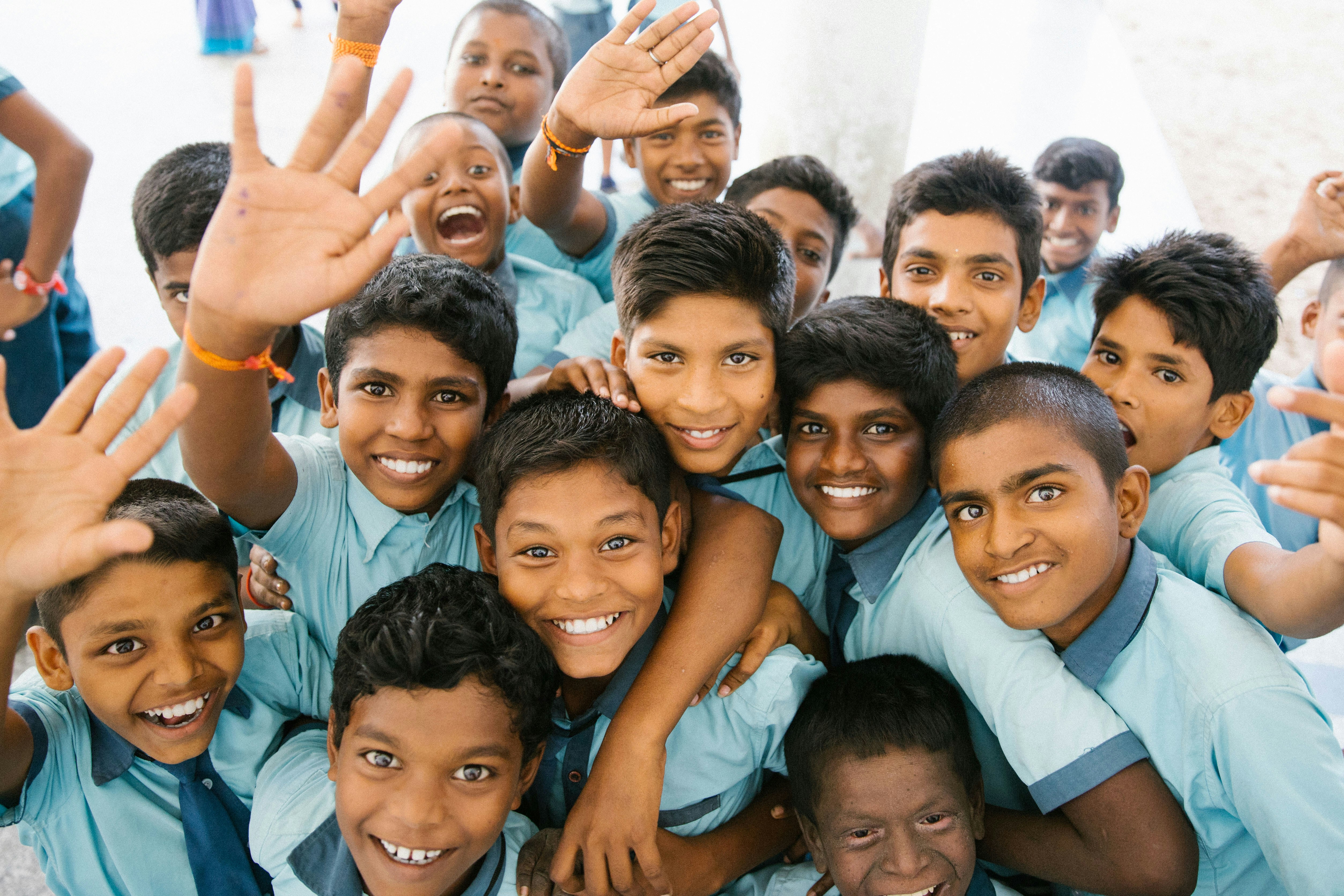


Today's Indian youth are demonstrating that cultural pride and American integration aren't mutually exclusive. Instead, they're creating a dynamic fusion that honors their ancestors while building bridges to the future. This generation is proving that maintaining cultural roots while pursuing dreams and careers is becoming the new standard for multicultural success.
Language as a Bridge Between Worlds
A sophisticated multilingual approach to communication characterizes Indian youth culture in 2026. Young Indian-Americans are increasingly proud of their ability to switch effortlessly between English and their heritage languages, whether it's Hindi, Tamil, Telugu, Gujarati, or Bengali. This linguistic flexibility has become a source of strength rather than confusion.
In schools and universities, Indian-American students are forming language circles and conversation groups to maintain fluency in their mother tongues. These gatherings serve multiple purposes: preserving linguistic heritage, connecting with elders in meaningful ways, and building professional networks within their cultural communities.
Social media platforms have become powerful tools for language preservation and evolution. Young Indians are creating content that seamlessly blends English with regional Indian languages, developing new forms of expression that resonate with their bicultural experience.
Professional Advantages of Multilingualism
The business world in 2026 increasingly values multilingual capabilities, and Indian-American youth are leveraging their language skills to advance their careers. Companies seeking to expand into South Asian markets actively recruit young professionals who can navigate both American business culture and Indian communication styles. This linguistic advantage has opened doors in technology, healthcare, finance, and international trade.
Fashion as Cultural Expression
Traditional Indian clothing has experienced a remarkable renaissance among young Indian-Americans in 2026. What was once reserved for special occasions and religious ceremonies has now become an integral part of everyday fashion choices. Indian-American identity is being expressed through creative styling that combines traditional garments with contemporary American fashion.
College campuses across the country showcase this fusion daily. Students confidently wear kurtas with jeans, incorporate Indian jewelry into modern outfits, and sport traditional patterns in contemporary silhouettes. This isn't cultural appropriation—it's cultural ownership. Young Indian-Americans are reclaiming their aesthetic heritage and making it relevant to their current lifestyle.
Fashion designers of Indian heritage are creating brands that specifically cater to this bicultural aesthetic. These emerging designers understand the need for clothing that honors tradition while fitting into American social contexts. Their success has inspired a new generation of cultural entrepreneurs who see fashion as a vehicle for cultural storytelling.
Celebrating Festivals Through Fashion
Cultural celebrations like Diwali, Holi, and Navratri have become opportunities for young Indian-Americans to showcase their fashion creativity. These events serve as platforms for experimenting with traditional looks while educating their non-Indian friends about the cultural significance behind their clothing choices.
Arts and Creative Expression
The creative landscape for Indian-American youth in 2026 is thriving with unprecedented diversity and innovation. Young artists are drawing inspiration from classical Indian art forms while incorporating contemporary techniques and themes relevant to their American experience. This artistic fusion is creating new genres and styles that speak to their unique cultural position.
Dance studios across the country report increased interest in classical Indian dance forms like Bharatanatyam, Kathak, and Bollywood dance. However, today's young dancers are also creating fusion performances that blend Indian classical movements with influences from hip-hop, contemporary, and jazz. These performances tell stories of immigration, identity, and belonging that resonate with diverse audiences.
Music has become another powerful medium for cultural expression. Young Indian-American musicians are experimenting with traditional instruments like the tabla, sitar, and harmonium alongside electronic music production. This musical innovation is creating soundscapes that reflect their multicultural reality while introducing Indian musical concepts to mainstream American audiences.
Digital Art and Cultural Storytelling
Online platforms have democratized cultural storytelling for Indian-American youth. Through digital art, video production, and social media content creation, young Indians are sharing their cultural experiences with global audiences. These digital narratives address topics like explaining Indian festivals to American friends, navigating cultural expectations, and celebrating the beauty of living between two worlds.
Community Participation and Leadership
Indian youth culture in 2026 is marked by active community engagement and leadership roles. Young Indian-Americans are taking the initiative to organize cultural events, lead community service projects, and bridge generational gaps within their communities. This involvement demonstrates a deep commitment to preserving and evolving their cultural heritage.
Building Professional Networks
Indian-American professional associations have experienced significant growth as young professionals recognize the value of community connections. These organizations serve as platforms for career development, mentorship, and cultural celebration simultaneously. Members organize networking events, cultural workshops, and community service projects that strengthen both professional and cultural bonds.
Young Indian-Americans are also creating their own organizations that address specific needs and interests. From cultural consulting groups to heritage preservation societies, these initiatives demonstrate entrepreneurial thinking applied to cultural community building.
Balancing Tradition with Innovation
The most remarkable aspect of Indian-American identity is how young people successfully balance respect for tradition with an embrace of innovation. They understand that cultural preservation doesn't mean cultural stagnation. Instead, they're actively evolving traditions to remain relevant and meaningful in their contemporary lives.
This balance is evident in how they approach family relationships, career choices, and personal values. Many are finding ways to honor their parents' expectations while pursuing their individual dreams. They're creating new models for success that incorporate both American ambition and Indian values of family, community, and spiritual growth.
Educational Achievements and Cultural Pride
Indian-American students continue to excel academically while maintaining strong cultural connections. In 2026, this success is being achieved without sacrificing cultural identity. Students are choosing college majors and career paths that allow them to serve their communities while achieving personal fulfillment. Many are pursuing fields like medicine, technology, and law with the specific intent of addressing needs within Indian-American communities.
Technology and Cultural Connection
Digital technology has become an essential tool for maintaining cultural connections in 2026. Young Indian-Americans use apps to learn classical music, virtual reality to visit Indian heritage sites, and social platforms to connect with cultural communities worldwide. This technological integration allows them to access cultural resources that previous generations couldn't imagine.
Online platforms facilitate cultural learning and sharing in ways that complement traditional methods. Virtual cooking classes with grandmothers, online language tutoring with relatives in India, and digital cultural exchanges with Indian youth create opportunities for cultural connection that transcend geographical boundaries.
Embracing Cultural Heritage with Modern Confidence
As we look toward the future, the confidence and creativity displayed by today's Indian-American youth promise even greater cultural contributions to American society. Their ability to honor tradition while embracing innovation creates a model for multicultural success that benefits not just their own communities but American society as a whole.
Visit United Tribes today to learn more about Indian culture and the community connections that support this remarkable cultural renaissance.


