

Key Takeaways
- Casas particulares emerged from the crisis. Cuba's Special Period in the early 1990s pushed households to offer private lodging, with the sector officially legalized in 1997.
- The blue triangle sign identifies licensed hosts. The "Arrendador Divisa" symbol displayed outside homes signals a government-licensed casa particular, offering guests transparency and safety.

Welcome to United Tribes
Where Cuban Culture Comes Alive
Join Your Tribe
Connect with your people
Discover Events
Watch parties & festivals
Find Cuban Businesses
Restaurants, markets & more
Earn Crown Credits
Get rewarded for engaging
- Guests gain access to authentic Cuban daily life. Casa particular hosts frequently act as informal guides, sharing meals, stories, and neighborhood knowledge unavailable in state-run hotels.
- Prices and atmospheres vary significantly by region. Havana casas can cost up to $80–$100 per night in restored buildings, while Trinidad and smaller towns offer more rustic, affordable stays.
- Hosting reshapes family life as much as tourism. Families must balance the emotional labor of hospitality with private home routines, making casas particulares a grassroots entrepreneurial commitment.
Few travel experiences match the intimacy of sleeping in someone's home, sharing their morning coffee, and hearing their stories before the city wakes up. In Cuba, that experience has a name and a long history: the casa particular. These privately run lodgings have become one of the most distinctive features of Cuban travel culture, offering visitors something no hotel can replicate — an unfiltered glimpse into everyday Cuban life.
What are casas particulares in Cuba?
Casas particulares are private homestays where Cuban families rent one or more rooms in their own residences to travelers, operating as small, family-run lodging businesses within the host's living space. They are the backbone of Cuba's local accommodation, offering personal hospitality, flexible pricing, and cultural immersion that stands apart from the state-managed hotel system.
The concept was born not of tourism planning but of economic necessity. During the early 1990s, Cuba's Special Period, a severe economic contraction following the collapse of Soviet support, forced both the government and ordinary citizens to find new ways to earn income. Private homestays began operating semi-officially, filling gaps in an overwhelmed tourism infrastructure. By the summer of 1997, the Cuban state formally legalized the sector, requiring hosts to obtain licenses and pay a fixed monthly minimum tax. That regulatory shift transformed a grassroots survival strategy into a recognized economic category.
In 1994, housing law reforms specifically allowed Cuban residents to rent up to two rooms in their homes to tourists as a hard-currency measure. The rules evolved, but the fundamental model remained: a family home that doubles as lodging, with the host present and engaged.
The Signature Blue Sign and What It Means
A small blue sign featuring two triangles — officially called the "Arrendador Divisa" — marks the exterior of every licensed casa particular in Cuba. That sign is not decoration; it signals to travelers that the property has met licensing requirements, giving guests a reliable way to identify legitimate, regulated accommodations on any street in Havana, Trinidad, or a quiet provincial town.
The sign also represents something less tangible: the pride of formalization. For families who built their hosting businesses through improvisation during years of scarcity, official recognition carried real weight. Displaying the blue triangles publicly announced participation in a legal, state-sanctioned economy rather than the informal one they had navigated before.
Daily Life Inside a Casa Particular
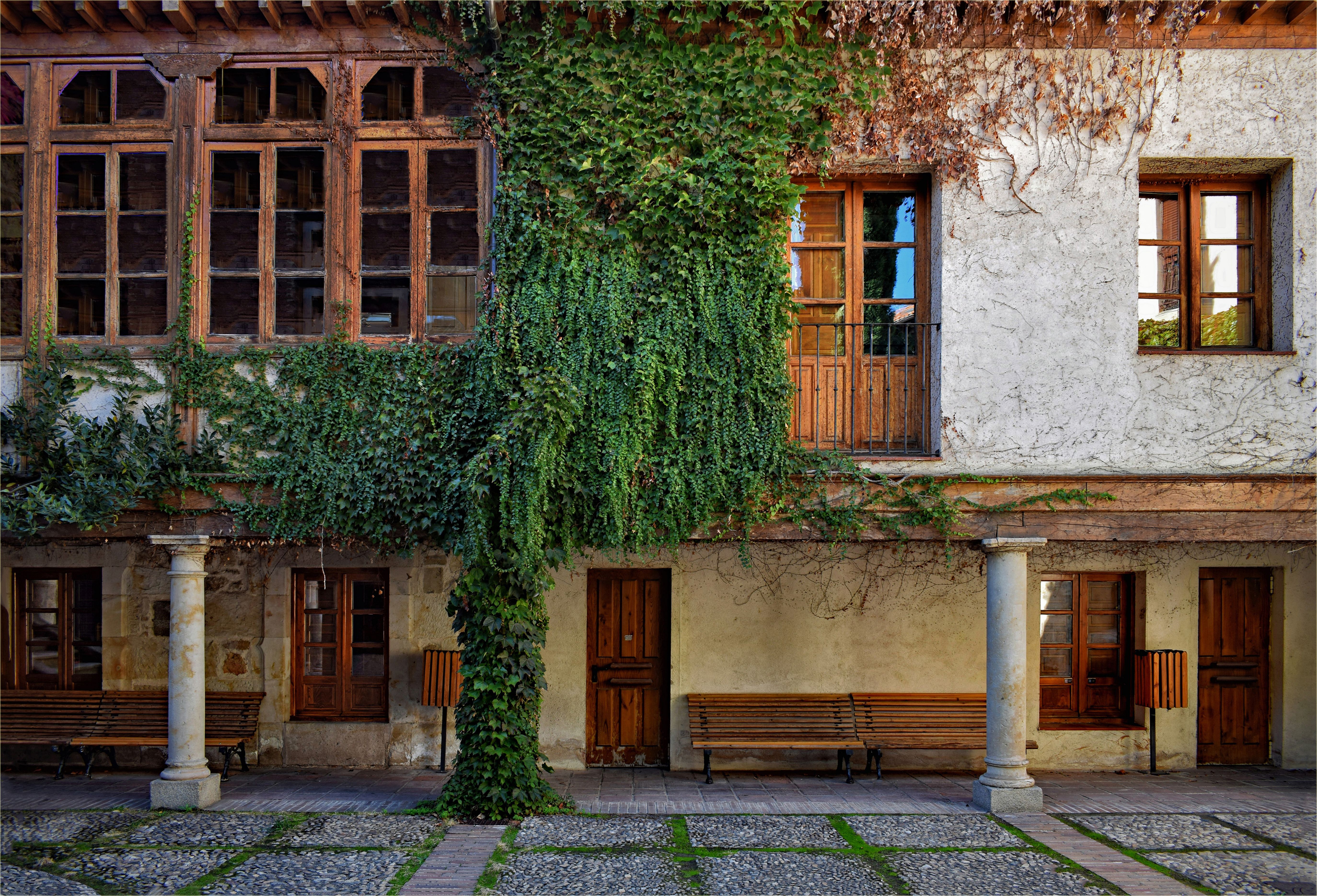
The defining quality of a Cuban homestay is the absence of distance between host and guest. Unlike hotels, casas particulares place visitors directly inside a working household. Guests may share a veranda, pass through a common kitchen, or sit in a courtyard where the family's daily rhythm unfolds around them.
Hosts frequently become informal guides — recommending paladares (private restaurants), warning against tourist traps, and sketching hand-drawn maps of neighborhoods they know intimately. This personal attention is the core of the casas particulares Cuba experience, and the reason repeat travelers often seek out the same host family year after year.
The emotional labor involved should not be underestimated. Hosting requires families to perform hospitality consistently while managing their own domestic lives in the same space. Daily routines shift, private time contracts, and family dynamics adjust around the needs of rotating guests. For many hosts, this tension is simply part of the work — a trade-off they accept in exchange for income that a formal employment sector cannot always provide.
Regional Differences Across Cuba
Cuba's geography and urban character shape the casa particular experience in meaningful ways, and the differences between destinations are significant enough to influence where a traveler chooses to stay.
|
Destination |
Typical Nightly Price |
Setting |
Notable Character |
|
Havana |
$50–$100 USD |
Restored colonial or Art Deco buildings |
Cosmopolitan, historically rich, busier |
|
Trinidad |
$25–$50 USD |
Spanish colonial townhouses |
Intimate, walkable, cobblestone streets |
|
Viñales |
$20–$40 USD |
Rural farmhouses near tobacco fields |
Rustic, nature-focused, very personal |
|
Santiago de Cuba |
$25–$45 USD |
Traditional Caribbean architecture |
Music culture, slower pace, local flavor |
|
Cienfuegos |
$25–$45 USD |
Neoclassical urban homes |
Elegant, quieter, waterfront access |
Havana casas particulares represent the upper tier of the market. Many occupy rooms in beautifully maintained buildings in neighborhoods like Vedado, Centro Habana, or Old Havana, where architectural grandeur adds to the appeal. Hosts in the capital tend to be more experienced with international visitors, and prices reflect both location and amenity level.
In Trinidad, a UNESCO-recognized colonial city in central Cuba, casas particulares feel more deeply embedded in neighborhood life. The city's smaller scale means guests and hosts interact within a tighter social geography. Prices drop, expectations adjust, and the experience leans toward the genuinely rustic.
Smaller towns and rural areas take the intimacy even further. In places like Viñales in Pinar del Río province, homestays may sit amid tobacco fields, with hosts offering farm-sourced meals and landscape knowledge that guidebooks cannot fully capture.
The Social and Economic Fabric of Casa Hosting
Casas particulares are not isolated enterprises. They sit within dense local social networks where families draw on collective resources — shared contacts for sourcing food, informal referrals between hosts, and community knowledge of what guests need. A host without a vacancy may pass a traveler to a neighbor or relative, maintaining the guest relationship within the network rather than losing it to a hotel.
This interconnectedness reflects a broader reality of Cuban entrepreneurship: operating within a constrained formal economy means relying on social capital and informal cooperation to sustain a business. The Cuban home businesses that casas particulares represent are as much community institutions as they are commercial ventures.
Since legalization, the sector has matured. Many casas have added private bathrooms, air conditioning, reliable hot water, and curated breakfasts to compete with boutique hotels. Yet the essential character — a family home, a personal host, a living space shared across the line between private and commercial — remains what distinguishes them from any other form of Cuba travel culture.
A Living Tradition Worth Experiencing Firsthand
Casas particulares emerged not from a tourism ministry's strategic plan but from Cuban families' resourcefulness in navigating economic hardship. Their legalization in 1997 gave structure to what communities had already built, and the decades since have allowed hosts across Havana, Trinidad, Viñales, and beyond to refine a form of hospitality that is inseparable from domestic life. The blue triangle sign on a doorway signals more than a licensed room — it signals a family's willingness to open their home, share their rhythms, and offer travelers something no resort can manufacture.
For the Cuban diaspora and for anyone connected to Cuban culture in the United States, casas particulares represent a touchpoint with the island's social fabric. They express Cuban ingenuity, community solidarity, and the enduring warmth that defines how Cubans relate to guests—whether those guests arrive speaking Spanish or stumbling through it with a phrasebook.
Curious about how Cuban-owned businesses and cultural spaces are building community right here in the United States? Explore the Cuban tribe on United Tribes and connect with the entrepreneurs, hosts, and storytellers keeping that spirit alive on this side of the water.
Frequently Asked Questions
Are casas particulares safe for first-time travelers to Cuba?
Casas particulares are generally considered safe and reliable accommodations for first-time visitors. Licensed homes display the official blue "Arrendador Divisa" sign, indicating government registration and regulatory oversight. Booking through reputable platforms or asking at a tourism office adds an extra layer of verification before arrival.
Do casa particular hosts speak English?
English proficiency among hosts varies widely depending on location and the host's background. Havana hosts who frequently receive international visitors tend to have stronger English skills, while hosts in smaller towns may rely almost entirely on Spanish. Bringing a basic Spanish phrasebook or translation app greatly enhances the experience.
What meals are typically included in a casa particular stay?
Most casas particulares offer breakfast for an additional fee, typically ranging from a few dollars to around ten dollars per person. You can sometimes arrange dinner with advance notice, and it often features home-cooked Cuban dishes. Meals are not automatically included the way they might be in an all-inclusive resort.
How do travelers book casas particulares before arriving in Cuba?
Travelers can book casas particulares through international accommodation platforms that list Cuban properties, as well as through Cuban travel agencies. Some experienced travelers arrive and walk neighborhoods looking for the blue triangle sign, particularly outside Havana where availability is less competitive during off-peak seasons.
How have casas particulares changed since they were first legalized?
Since their 1997 legalization, many casas particulares have upgraded significantly, adding private bathrooms, air conditioning, reliable hot water, and Wi-Fi where connectivity is available. The sector has shifted from basic room rentals toward a more polished bed-and-breakfast model while retaining its family-run character and personal hospitality.
Can Cuban nationals stay in casas particulares, or are they reserved for tourists?
The original legal framework for casas particulares in Cuba was structured primarily around renting to foreign tourists to generate hard currency. Rules governing who can stay have shifted as regulations have evolved. Travelers should confirm current policies with a local host or tourism authority, as Cuba's accommodation laws can change with broader economic reforms.
Find your community: Cuban businesses near you on United Tribes.
Make United Tribes Your Preferred Source
Add United Tribes on Google to get the latest stories, cultural updates, and community events directly in your Google Search and Top Stories.