
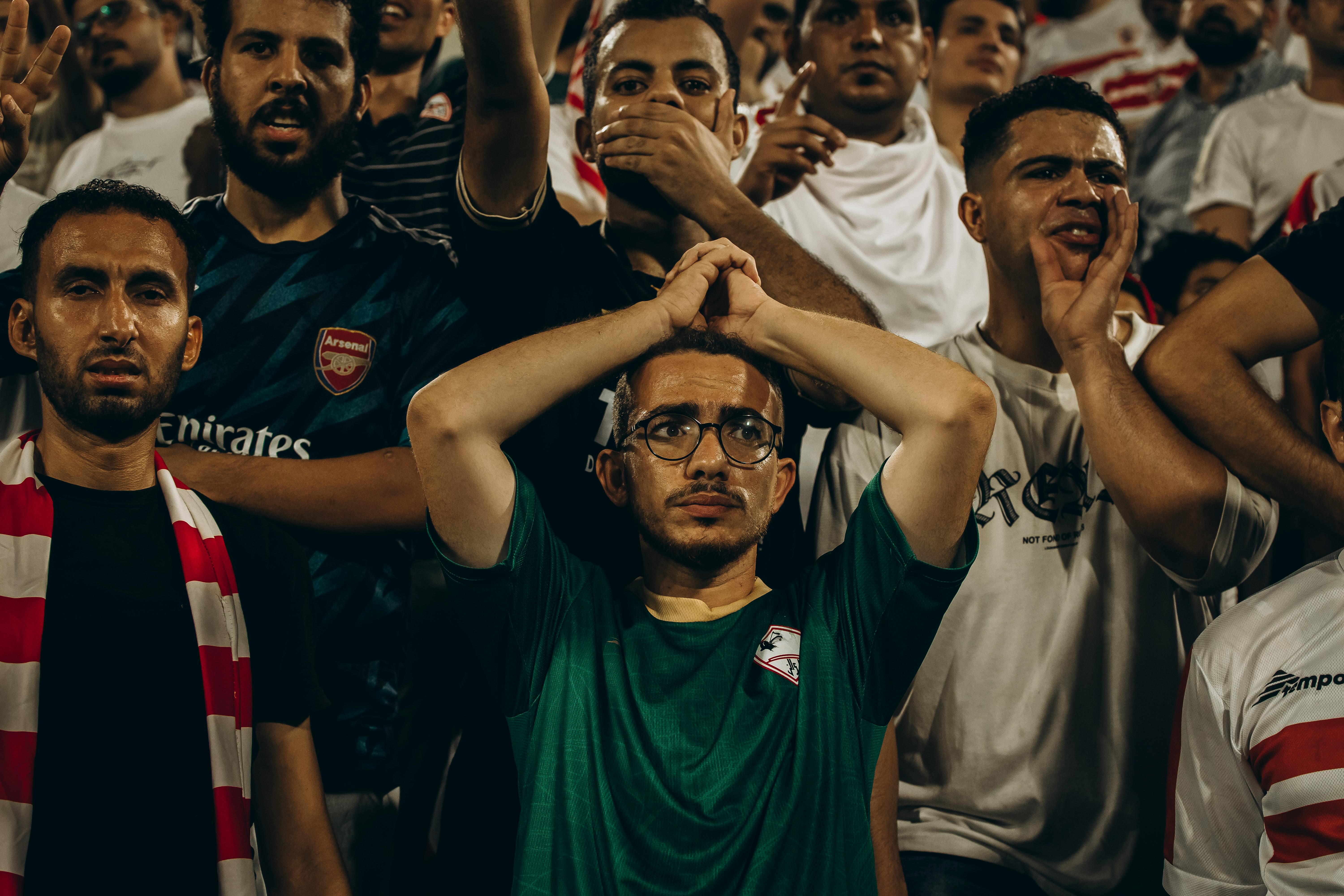

There is a moment, just before kickoff, when a living room full of Persian families goes completely silent. The food is out, the tea is brewing, the flags are draped over every available surface, and for a few seconds, everyone holds their breath together. Then the whistle blows, and the room explodes. This is Persian watch party culture at its most honest, a full expression of who these communities are, where they came from, and what still binds them across oceans and generations.
More Than a Match
For Iranian football fans in the diaspora, watching Iran play is never casual. Whether the game is a World Cup qualifier or the tournament itself, the emotional stakes are enormous. Football has long served as one of the few unifying forces across the political and generational divides that define the Iranian diaspora experience. When Iran steps onto the pitch, millions of Iranians scattered across Los Angeles, Toronto, London, and beyond feel a rare collective pulse.

Welcome to United Tribes
Where Persian Culture Comes Alive
Join Your Tribe
Connect with your people
Discover Events
Watch parties & festivals
Find Persian Businesses
Restaurants, markets & more
Earn Crown Credits
Get rewarded for engaging
Persian community soccer gatherings can draw dozens to a single apartment or hundreds to a rented banquet hall. The size doesn't matter. What matters is that no one watches alone.
The Setup: Ritual Before the Whistle
Long before the match begins, preparation itself becomes a ceremony. Hosts spend hours arranging the space — green, white, and red decorations are placed deliberately, portraits of favorite players are printed and taped to walls, and the aroma of Persian cooking fills every corner. Dishes like koofteh, ghormeh sabzi, and herb-laden rice are staples of these gatherings, not because they are easy party food, but because they are comfort food rooted in memory.
This connection between food, identity, and celebration runs deep. A World Cup watch party brings them together around shared hope and history. The table is always an altar in Persian culture.
The Sound of a Watch Party
Walk into a Persian watch party mid-match, and the sensory experience is immediate. Multiple conversations happen simultaneously in Farsi and English. Elders sit in the best chairs closest to the screen. Children dart between legs. Someone is always loudly predicting the next goal. Someone else is always telling them to be quiet.
When Iran scores — or even threatens to score — the room transforms. Cheering, crying, screaming, and laughter happen all at once. It is not unusual to see a grandfather openly weeping at a goal while his teenage grandchildren film his reaction for social media. These are layered emotional moments that connect Iran's World Cup traditions across time.
Diaspora, Identity, and the Flag
For many in the Iranian diaspora, supporting the national team is one of the most direct ways to assert cultural identity in a country that does not always fully see them. The flag becomes a statement. Wearing Iran's jersey to a watch party, or hanging it from a balcony, is a small but meaningful act of visibility.
This theme of identity persistence runs throughout diaspora life. Being Persian in America is not a diluted or partial experience. It is its own complete and layered reality. The watch party becomes one of the spaces where that reality is loudly, joyfully confirmed.
Generations Under One Roof
One of the most remarkable things about Persian community soccer gatherings is how naturally they bridge generational gaps. First-generation immigrants who grew up watching Iran play in Tehran sit beside their American-born children who have never set foot in Iran but feel its gravity deeply.
Football provides a shared language. A grandfather who speaks no English and a grandchild who speaks broken Farsi can still erupt together when a striker beats a goalkeeper. In that moment, the distance between their worlds collapses. The watch party holds them in the same breath.
When Iran Loses
Grief at a Persian watch party is just as communal as joy. Losses — especially painful ones — are not processed alone. The room goes quiet in a particular way. Someone sighs first, then someone else, and then the conversation begins again slowly, dissecting every play, every decision, every what-if.
This willingness to sit together in disappointment is itself a form of cultural resilience. The Iranian football fans diaspora community does not scatter after a loss. They stay. They eat more. They talk until late into the night. And they begin planning for the next gathering.
How Communities Find Each Other
In cities with large Persian populations, such as Los Angeles, Houston, and Washington, D.C., formal watch party events are organized by cultural centers, Persian student associations, and community businesses. In smaller cities, it happens more informally — word spreads through group chats, someone offers their home, and the community assembles.
Platforms like United Tribes play an increasingly important role in helping these communities find one another, discover culturally rooted events, and stay connected to their heritage.
Every Game, One Persian Heartbeat
Persian watch party culture is about what football makes possible — a reason to gather, to remember, to feel pride, and to belong. Every goal celebrated, and every loss mourned together, reinforces a cultural identity that distance and time cannot dissolve. These gatherings are living proof that the Iranian diaspora remains connected at its core.
For younger generations growing up between two worlds, watch parties offer something invaluable: a space where being fully Persian is expected, celebrated, and shared. The traditions carried into these rooms — the food, the language, the emotion — are the same threads that run through every major Persian cultural gathering, from Nowruz to Yalda Night.
Visit United Tribes today to learn more about Persian culture and community, from cultural spotlights and heritage stories to events and businesses that keep this vibrant identity alive across the United States.
Make United Tribes Your Preferred Source
Add United Tribes on Google to get the latest stories, cultural updates, and community events directly in your Google Search and Top Stories.


