
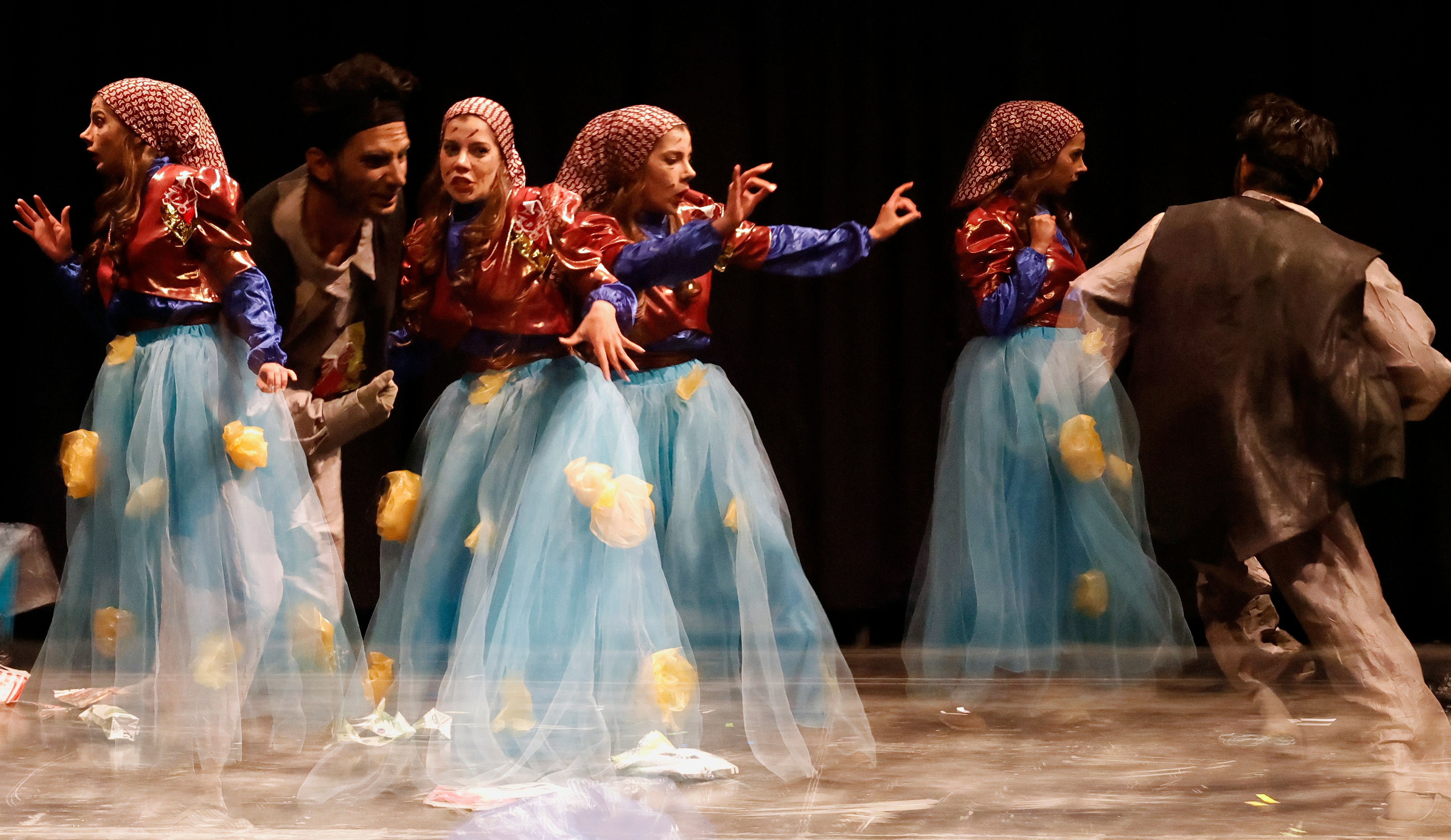


Iranian theater is a vibrant artistic movement that has found its voice on American stages, connecting generations of Iranian Americans to their heritage while introducing broader audiences to the rich tapestry of Persian storytelling. From intimate black box theaters in New York to grand performance halls in California, Iranian-American theater troupes are weaving together tradition and innovation, creating spaces where Persian diaspora culture thrives and evolves.
The Foundation of Iranian-American Theater
Following the waves of Iranian immigration, particularly after 1979, theater served as a bridge between the homeland left behind and the new American reality. Early pioneers recognized that Iranian American performing arts could provide something that books and conversations alone could not: the visceral, communal experience of witnessing one's culture brought to life on stage.
These theatrical endeavors began in community centers, university halls, and borrowed spaces, where passionate artists gathered to tell stories that resonated with the immigrant experience. The founders of these early troupes understood that theater could address the unique challenges faced by Iranian-Americans, such as questions of identity, belonging, and cultural transmission to younger generations born in America.
Building Artistic Infrastructure
The development of Iranian theater companies across the United States required both artistic vision and community support. Organizations such as the Iranian Theater Group in Los Angeles and the Persian Cultural Foundation in various cities played a crucial role in establishing regular programming. These groups faced the challenge of maintaining authenticity while making their productions accessible to diverse audiences, including second- and third-generation Iranian Americans who might not be fluent in Farsi.
The infrastructure also included training programs for actors, directors, and technical staff who could work within the specific cultural context of Iranian theater. Many established artists from Iran contributed their expertise, while younger Iranian-Americans brought fresh perspectives and bilingual capabilities, allowing productions to reach broader audiences.
Winter Performance Calendars and Seasonal Traditions
The winter months hold particular significance for Iranian theater troupes across America, with performance calendars often designed around cultural celebrations and the natural gathering spirit of the season. Persian diaspora culture traditionally celebrates storytelling during the longer nights, and this tradition has been beautifully translated into theatrical programming.
Many troupes schedule their most ambitious productions between November and March, capitalizing on the community's desire for cultural connection during months that often coincide with holidays and family gatherings. Shabe Yalda is also a tradition that provides natural thematic material for winter productions, with many companies creating special performances that incorporate poetry readings, traditional music, and dramatic presentations celebrating the longest night of the year.
Programming Strategies for Community Engagement
Winter programming often features works that explore themes of memory, family, and cultural preservation. These topics resonate deeply during a season associated with reflection and gathering. Theaters strategically time productions to coincide with university winter breaks, allowing students to attend with their families and creating intergenerational audience experiences.
The programming also takes into account the practical aspects of Iranian theater, with the winter months often seeing an increase in attendance as community members seek indoor cultural activities. Theater companies have learned to leverage this natural tendency, creating subscription series and special events that build audience loyalty while ensuring financial sustainability for their organizations.
Contemporary Scripts and Classical Adaptations
The repertoire of Iranian-American theater companies encompasses centuries of Persian literature and contemporary works that directly address the experiences of the diaspora. Classical works by masters like Ferdowsi, Hafez, and Sa'di are regularly adapted for modern stages, while contemporary playwrights explore the complexities of Iranian-American identity.
Iranian American performing arts have found particular strength in adapting epic poems and classical stories for theatrical presentation. The Shahnameh, with its rich tapestry of heroes and moral lessons, provides material for productions that can engage audiences of all ages while teaching younger generations about Persian literary heritage. These adaptations often incorporate traditional Persian music, dance, and visual arts, creating multimedia experiences that celebrate the full spectrum of Iranian culture.
Original Works Addressing Diaspora Experiences
Contemporary Iranian-American playwrights have created a body of work that specifically addresses the immigrant experience, intergenerational conflict, and the challenge of maintaining cultural identity in America. These plays often explore themes such as arranged marriages versus love matches, career expectations versus personal aspirations, and the tension between preserving tradition and embracing American opportunities.
The most successful contemporary works manage to address specifically Iranian experiences while touching on universal themes that resonate with broader audiences. This approach has allowed Iranian theater to gain recognition beyond the Iranian-American community, with some productions touring to mainstream theater festivals and receiving critical acclaim from diverse reviewers.
Community Dialogue and Cultural Preservation
Theater serves as a unique forum for community dialogue within Iranian-American communities, addressing topics that might be difficult to discuss in other settings. Productions often tackle sensitive subjects, such as political differences, generational conflicts, and evolving social norms, providing a safe space for the community to explore these issues collectively.
The communal nature of theater attendance creates opportunities for post-show discussions, community forums, and educational programming that extend the impact of the performance beyond its immediate effects. Many Iranian theater companies organize panel discussions, artist talks, and cultural workshops that accompany their productions, creating comprehensive cultural experiences for audiences.
Preserving Language and Tradition
One of the most significant contributions of Persian diaspora culture theater is its role in language preservation. Productions often feature dialogue in both Farsi and English, helping younger generations maintain a connection to their ancestral language while ensuring accessibility for mixed families and non-Iranian audience members.
The theatrical format also preserves traditional performance styles, vocal techniques, and movement patterns that might otherwise be lost in the diaspora. Experienced actors and directors work to train younger performers in authentic techniques while allowing for creative adaptation to American stages and audience expectations.
Major Theater Troupes and Artistic Leaders
Across the United States, several Iranian theater companies have established themselves as cultural institutions within their communities. The Iranian Theatre Group of Los Angeles has been particularly influential, producing regular seasons of both classical and contemporary works while nurturing new talent and commissioning original scripts.
In the San Francisco Bay Area, Persian cultural organizations have collaborated with local theaters to present Iranian works as part of broader multicultural programming. These partnerships have helped introduce Iranian American performing arts to wider audiences while providing Iranian companies with access to professional-level venues and technical resources.
Artistic Directors and Vision
The success of Iranian theater in America often depends on visionary artistic directors who understand both the cultural needs of the community and the practical requirements of American theater production. These leaders must strike a balance between authenticity and innovation, tradition and accessibility, and community service and artistic excellence.
Many of these directors have backgrounds that span both Iranian and American theater traditions, bringing unique perspectives to their programming choices. Their leadership has been crucial in establishing the credibility and sustainability of Iranian theater as a significant cultural force.
Educational Outreach and Youth Programming
Iranian theater companies nationwide have recognized the importance of engaging younger generations through educational programming and youth-focused productions. These initiatives often partner with weekend Persian schools, community organizations, and even mainstream educational institutions to introduce students to Iranian theatrical traditions.
Youth programs typically combine theater training with cultural education, teaching participants about Persian history, literature, and traditions while developing their performance skills. Many programs culminate in student productions that showcase both traditional and contemporary Iranian works, often written or adapted by the young participants themselves.
University Partnerships and Academic Integration
Several Iranian theater groups have developed partnerships with universities that have significant Iranian-American student populations. These collaborations often result in campus productions, artist residencies, and academic courses that examine Persian diaspora culture through the lens of theatrical expression.
University partnerships also provide opportunities for researching and documenting Iranian theater traditions, ensuring that both classical techniques and diaspora innovations are preserved for future generations. Student thesis projects, documentary productions, and oral history initiatives have emerged from these collaborations.
Technology and Modern Production Values
Contemporary Iranian theater in America has embraced modern production technologies while maintaining cultural authenticity. Many companies now incorporate sophisticated lighting, sound design, and multimedia elements that enhance traditional storytelling without overwhelming the essential human elements of Persian theater.
Social media and digital platforms have also transformed how Iranian theater companies connect with their audiences. Virtual programming, which has been particularly prevalent during recent global circumstances, has enabled companies to reach Iranian-Americans nationwide and maintain connections with audiences in Iran and other diaspora communities worldwide.
Digital Innovation in Cultural Preservation
The integration of technology has opened new possibilities for preserving and sharing Iranian American performing arts. Many companies now record their productions, creating archives that serve both historical preservation and educational purposes. These recordings become resources for other Iranian theater groups and cultural organizations seeking to develop their own programming.
Streaming capabilities have also allowed for collaborative productions between Iranian theater companies in different cities, creating national programming that brings together artists and audiences from across the American Iranian diaspora.
Challenges and Opportunities in the Contemporary Landscape
Iranian theater companies in America face ongoing challenges related to funding, venue access, and audience development. Many operate on limited budgets with volunteer labor, requiring creative solutions for professional-quality productions. The need to balance cultural authenticity with broad appeal remains a constant consideration in programming and production decisions.
However, growing interest in diverse voices and multicultural programming has created new opportunities for Iranian theater companies. Mainstream theaters are increasingly seeking partnerships with cultural organizations, and arts funding organizations are prioritizing support for underrepresented communities.
The rising success of Iranian-American artists in mainstream entertainment has also raised awareness of Persian diaspora culture and created new audiences for theatrical programming.
Future Directions and Emerging Trends
The future of Iranian theater appears increasingly bright, with new companies forming and established organizations expanding their programming. Emerging trends include more bilingual productions, increased collaboration between Iranian and non-Iranian artists, and growing integration with mainstream American theater institutions.
Young Iranian-American playwrights are creating works that reflect their specific generational experiences while honoring their cultural heritage. These new voices bring fresh perspectives to traditional themes while addressing contemporary issues, such as the impact of social media on cultural identity, climate change concerns, and evolving concepts of marriage and family.
Nowruz celebrations of renewal, unity, and heritage continue to inspire theatrical programming, with many companies developing annual traditions around the Persian New Year that combine performance with community celebration. The cyclical nature of Persian cultural celebrations provides natural programming opportunities that help sustain audience engagement throughout the year.
The concepts of mehrbani and taarof often form the thematic foundation for dramatic works that explore Iranian values and their translation into American contexts. These cultural pillars offer rich material for theatrical exploration, providing audiences with insights into the philosophical foundations of Iranian culture.
Theater's Lasting Cultural Impact
Iranian theater in diaspora connects past and present, homeland and new country, and tradition and innovation. Through winter performance calendars filled with both classical adaptations and contemporary original works, Iranian American performing arts continue to foster meaningful dialogue while preserving cultural heritage for future generations. These theatrical endeavors demonstrate the power of performance to maintain community bonds, transmit cultural values, and create spaces where Persian diaspora culture can flourish and evolve.
Visit United Tribes today and discover more about Iranian culture and community events, including theatrical performances and cultural celebrations that unite Iranian-Americans nationwide.


