
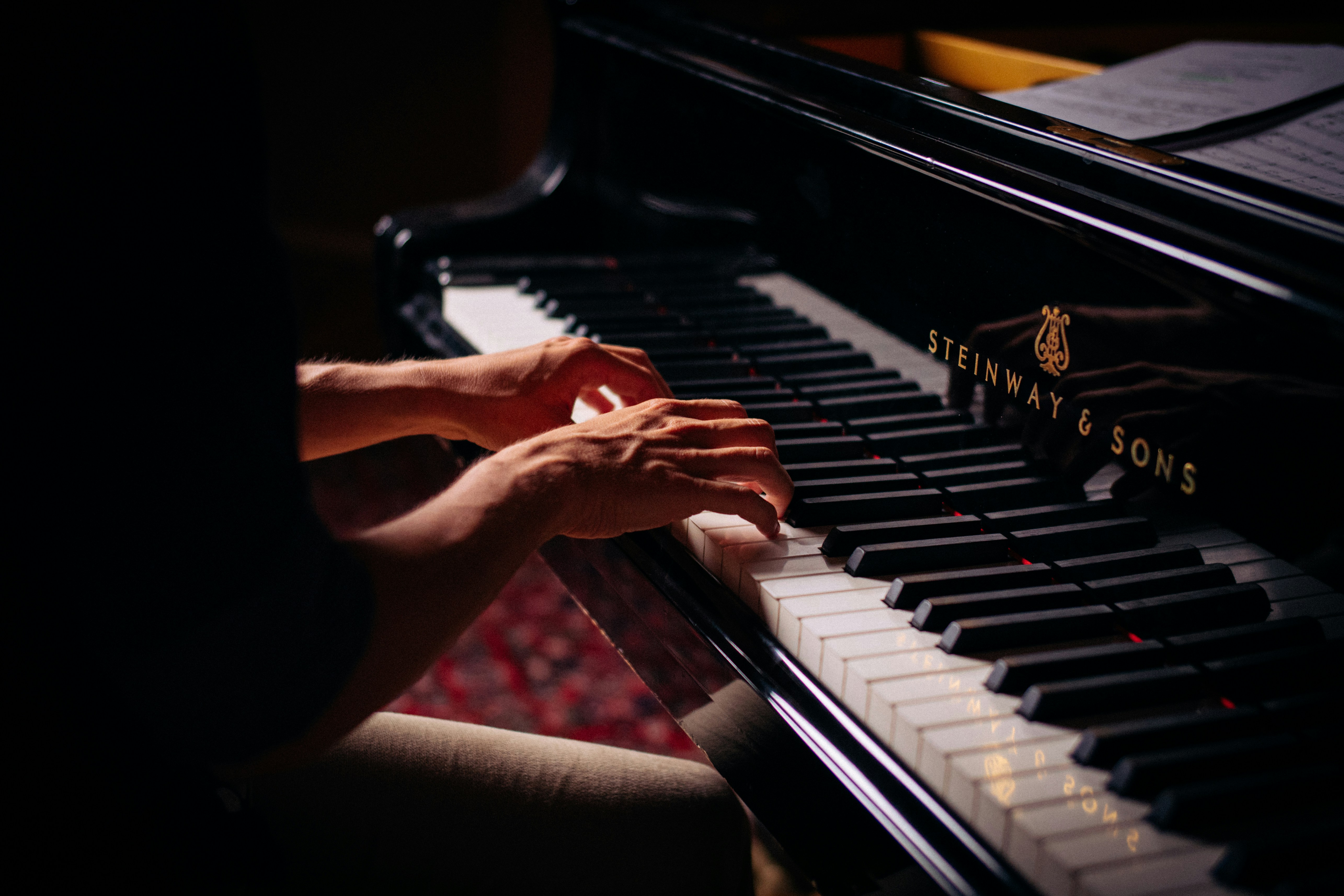

The rich tapestry of Iranian music has become an integral part of America's multicultural landscape, with Persian musicians establishing vibrant communities across major cities from Los Angeles to New York. Iranian-American artists are not merely transplanting their musical heritage; they're actively transforming and preserving traditional Persian sounds for contemporary audiences while maintaining deep connections to their ancestral roots.

Welcome to United Tribes
Where Persian Culture Comes Alive
Join Your Tribe
Connect with your people
Discover Events
Watch parties & festivals
Find Persian Businesses
Restaurants, markets & more
Earn Crown Credits
Get rewarded for engaging
The Foundation of Persian Musical Heritage in America
Persian musicians who arrived in the United States brought with them centuries-old musical traditions dating back to ancient Persia. These traditions encompass classical Persian music with its intricate modal system, the dastgah, folk melodies from various regions of Iran, and poetic compositions that often draw on the works of legendary Persian poets such as Hafez and Rumi. The foundation of this musical heritage rests on sophisticated theoretical frameworks that emphasize improvisation, emotional expression, and the intimate connection between poetry and melody.
Traditional Persian instruments like the tar (a plucked string instrument), santur (hammered dulcimer), ney (reed flute), and tombak (goblet drum) form the backbone of authentic Persian sound. Iranian-American musicians have faced the unique challenge of sourcing these specialized instruments, finding skilled craftspeople to maintain them, and teaching younger generations their proper techniques. Many established Persian musicians have become instrument makers themselves, ensuring the physical tools of their musical culture remain available to future artists.
The preservation efforts extend beyond instruments to include the complex vocal techniques, ornamental styles, and rhythmic patterns that define Persian music. Master musicians in cities like Los Angeles have established schools and workshops where they pass down knowledge that was traditionally transmitted orally from teacher to student. This educational approach maintains the authenticity of Persian cultural traditions while adapting to American educational structures.
Regional Hubs of the Iranian-American Music Scene
Los Angeles: The Persian Musical Capital
Los Angeles is home to the largest concentration of Iranians outside Iran, earning the nickname "Tehrangeles" for its substantial Persian population. The Iranian-American music scene in LA represents the most established and diverse Persian musical community in the United States. Venues like the Dolby Theatre and smaller cultural centers regularly host Persian concerts. At the same time, neighborhoods in Beverly Hills, Westwood, and Irvine serve as cultural epicenters where traditional music thrives alongside contemporary interpretations.
LA's Persian music scene ranges from classical concerts featuring renowned masters to fusion bands blending Persian melodies with jazz, rock, and electronic music. The city's recording studios have become destinations for Persian musicians worldwide, creating a hub for both traditional recordings and innovative cross-cultural collaborations. Annual festivals celebrate Persian music during significant cultural events, connecting musical performances with broader celebrations of Iranian heritage and traditions.
East Coast Centers of Persian Music
New York, Washington, D.C., and other East Coast cities have developed their own distinct Persian musical communities. These areas often emphasize the intellectual and academic aspects of Persian music, with universities hosting Persian music programs and scholarly conferences. The East Coast scene tends to focus more heavily on classical traditions and the preservation of historical musical forms, attracting serious students of Persian music theory and composition.
Musicians in these regions often perform in smaller, more intimate venues that emphasize the traditional Persian concept of musical gathering, where audience members are expected to be knowledgeable participants rather than passive listeners. These communities have developed strong connections with Persian cultural centers and museums, creating educational programs that introduce American audiences to the historical context and cultural significance of Persian musical traditions.
Innovation Within Tradition
Contemporary Iranian-American musicians are pioneering innovative approaches that honor traditional Persian music while making it accessible to diverse American audiences. This innovation takes multiple forms, from subtle adaptations that make Persian music more familiar to Western ears to bold fusion experiments that create entirely new musical genres.
Fusion and collaboration represent major trends in the current Iranian music landscape. Musicians are partnering with jazz artists, classical orchestras, and world music ensembles to create performances that highlight the universal appeal of Persian melodic structures while introducing new harmonic and rhythmic elements. These collaborations often surprise audiences with the natural compatibility between Persian music and other global traditions.
Technology has become a crucial tool for preservation and innovation. Iranian-American musicians use digital platforms to share rare recordings, teach traditional techniques through online lessons, and connect with Persian music communities worldwide. Mobile apps help preserve traditional Persian poetry and make it easier for younger generations to learn the complex relationship between Persian verse and musical composition.
Contemporary Themes and Modern Expression
Modern Iranian-American musicians increasingly address themes relevant to diaspora experiences, like immigration stories, struggles with cultural identity, and the challenge of maintaining heritage while embracing American life. These contemporary themes breathe new life into traditional musical forms, creating deeply personal expressions that resonate with both Persian and non-Persian audiences.
Many artists incorporate English lyrics alongside traditional Persian poetry, creating bilingual compositions that reflect the multilingual reality of Iranian-American life. This approach helps bridge generational gaps within Persian families while introducing American audiences to Persian musical aesthetics through familiar linguistic structures.
Educational Initiatives and Cultural Transmission
Persian music education in America faces unique challenges and opportunities. Traditional Persian music education relied on intensive one-on-one mentorship, but American musicians have adapted these methods for institutional educational settings. Universities across the country now offer Persian music courses, while community centers provide weekend programs for children and adults interested in learning traditional instruments and vocal techniques.
Master musician programs bring renowned Persian artists to American cities for intensive workshops and residencies. These programs ensure that the highest levels of Persian musical knowledge remain accessible to serious students while exposing broader communities to authentic Persian musical traditions. Many of these educational initiatives coincide with cultural celebrations, allowing musical education to take place within the broader context of Persian cultural experiences.
Youth programs have become particularly important for cultural preservation. Iranian-American families often struggle with maintaining their children's connection to Persian culture while encouraging their integration into American society. Music provides a powerful solution, offering young people a way to connect with their heritage through creative expression rather than obligation.
Challenges and Opportunities in the Digital Age
The digital revolution has transformed how Persian musicians share their work and connect with audiences. Streaming platforms enable Iranian-American artists to reach global Persian diaspora communities and introduce their music to entirely new audiences. Social media enables direct connections between musicians and fans, creating opportunities for cultural education alongside musical entertainment.
However, digital platforms also present challenges for traditional Persian music, which often relies on subtle nuances and acoustic qualities that can be lost in compressed digital formats. Musicians have had to adapt their recording and performance techniques to ensure their music translates effectively through digital mediums while maintaining its essential character.
Cultural Bridge-Building Through Music
Iranian-American musicians serve as cultural ambassadors, introducing American audiences to Persian civilization's artistic achievements while demonstrating the contemporary relevance of ancient traditions. These musical ambassadors often perform at cultural festivals, universities, and community events, providing both entertainment and education about Persian culture.
Cross-cultural musical collaborations have proven particularly effective at building understanding between Persian and non-Persian communities. When Persian musicians collaborate with artists from other traditions, they create opportunities for audience members to discover commonalities between different cultural expressions while appreciating each tradition's unique characteristics.
The integration of Persian musical elements into American popular culture has created unexpected opportunities for cultural bridge-building. Persian-influenced compositions in film soundtracks, television shows, and popular music introduce Persian musical aesthetics to mainstream American audiences, often sparking curiosity about Persian culture more broadly, including Persian culinary traditions and social customs.
Harmonizing Heritage with American Dreams
Iranian-American musicians continue to demonstrate that cultural preservation and artistic innovation can coexist beautifully, creating musical expressions that honor their Persian heritage while embracing their American experiences. Through their dedication to preserving traditional Persian musical forms while exploring contemporary adaptations, these artists ensure that Iran's rich musical legacy remains vibrant and relevant for future generations.
The thriving Iranian-American music scene across U.S. cities proves that cultural traditions can flourish when communities have the support and platforms necessary to share their heritage. As these musicians continue to evolve and adapt their art form, they create opportunities for both Persian and non-Persian audiences to experience the profound beauty and emotional depth of Persian musical traditions.
Visit United Tribes today to learn more about Iranian culture and community, and discover local Persian musicians, cultural events, and vibrant Iranian-American communities that preserve these beautiful musical traditions in cities across America.
Make United Tribes Your Preferred Source
Add United Tribes on Google to get the latest stories, cultural updates, and community events directly in your Google Search and Top Stories.


