
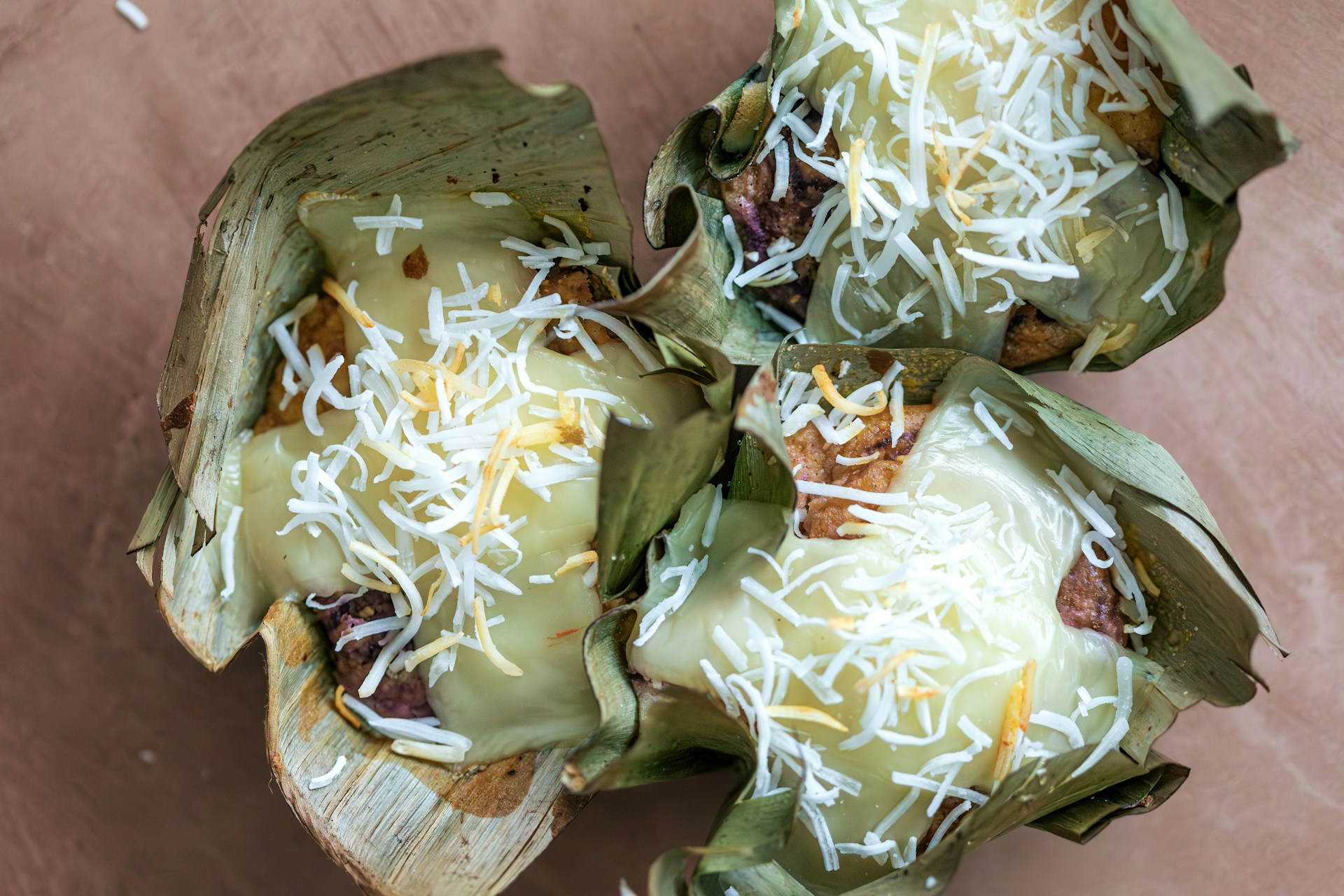

The sweet aroma of coconut milk and pandan wafts through Filipino bakeries across America, where traditional kakanin – rice-based delicacies – are experiencing a remarkable renaissance. These heritage desserts, once confined to Filipino households and community celebrations, are now capturing the attention of food enthusiasts from all backgrounds. From the bustling streets of Los Angeles to the vibrant neighborhoods of New York, Filipino rice desserts are not just surviving but thriving, adapted and reimagined for a new generation of Americans eager to explore authentic flavors.

Welcome to United Tribes
Where Filipino Culture Comes Alive
Join Your Tribe
Connect with your people
Discover Events
Watch parties & festivals
Find Filipino Businesses
Restaurants, markets & more
Earn Crown Credits
Get rewarded for engaging
Filipino bakery culture in the United States represents more than just commerce – it's a bridge between ancestral traditions and modern American life. As second and third-generation Filipino Americans seek to reconnect with their roots, and as mainstream America develops an increasingly sophisticated palate for international cuisines, kakanin stands at the intersection of cultural preservation and culinary innovation.
The Rich Heritage of Kakanin
Kakanin derives from the Filipino word "kanin," meaning rice, and encompasses a vast array of traditional desserts that have sustained Filipino communities for centuries. These delicacies represent the ingenuity of Filipino ancestors who transformed simple ingredients like rice, coconut, sugar, and indigenous flavors into complex, satisfying treats that could feed families and celebrate special occasions.
The diversity within kakanin reflects the Philippines' rich regional variations, with each province contributing its signature preparations and flavor profiles. Bibingka, the beloved rice cake traditionally cooked in clay pots lined with banana leaves, varies dramatically from Luzon's cheese-topped versions to Mindanao's coconut-heavy preparations. Similarly, suman, the sticky rice delicacy wrapped in banana or coconut leaves, takes on different characteristics depending on regional preferences and available ingredients.
Traditional Preparation Methods
Historically, kakanin preparation was a community affair, with families gathering to pound rice into flour, extract fresh coconut milk, and tend to wood-fired ovens. The labor-intensive process meant these desserts were reserved for special occasions: religious festivals, harvest celebrations, and family milestones. The communal aspect of kakanin-making strengthened social bonds while preserving culinary knowledge across generations.
The traditional tools, such as wooden mortars and pestles, clay pots, and woven baskets for steaming, were as important as the ingredients themselves. These implements imparted unique flavors and textures that modern equipment sometimes struggles to replicate, creating both challenges and opportunities for Filipino bakers in America.
Modern Filipino Bakeries Embracing Tradition
Across the United States, Filipino bakeries are finding innovative ways to honor traditional kakanin while adapting to American tastes and lifestyles. Filipino bakery culture in cities like San Francisco, Chicago, and Houston demonstrates remarkable creativity in balancing authenticity with accessibility.
Red Ribbon, Goldilocks, and countless independent bakeries have become cultural anchors in Filipino American communities, serving not just desserts but nostalgia, connection, and identity. These establishments face the unique challenge of maintaining traditional flavors while accommodating ingredients available in American markets and appealing to non-Filipino customers curious about authentic Filipino cuisine.
Seasonal Adaptations and Special Occasions
Many Filipino bakeries in America have learned to time their kakanin USA offerings with both Filipino cultural calendars and American seasonal preferences. During the Christmas season, bibingka sales soar as Filipino families maintain their holiday traditions. Meanwhile, bakeries introduce these same desserts to American customers seeking unique alternatives to conventional holiday treats.
The lunar new year, Flores de Mayo, and other Filipino celebrations create natural marketing opportunities for bakeries to educate broader audiences about the cultural significance behind each kakanin variety. This educational approach transforms simple transactions into cultural exchanges, helping preserve Filipino heritage while building bridges with other communities.
Signature Kakanin Varieties Gaining American Popularity
Bibingka: The Christmas Favorite
Bibingka has emerged as the most recognizable Filipino rice dessert in American markets. This spongy rice cake, traditionally topped with salted egg, cheese, and grated coconut, appeals to American palates familiar with pancakes and muffins while offering distinctly Filipino flavors. Many bakeries now offer bibingka year-round, moving beyond its traditional Christmas association to capture broader market appeal.
The versatility of bibingka allows for creative adaptations. Some bakeries experiment with cream cheese instead of traditional white cheese, while others incorporate locally sourced ingredients like maple syrup or seasonal fruits. These innovations demonstrate how Filipino rice desserts can evolve while maintaining their essential character.
Suman The Versatile Sticky Rice Treat
Suman represents another success story in the American Filipino dessert landscape. This glutinous rice delicacy, served with latik (coconut caramel sauce) or brown sugar, appeals to Americans already familiar with sticky rice preparations from Thai and Japanese cuisines. The portable nature of suman makes it ideal for food festivals, farmers' markets, and grab-and-go bakery sales.
Filipino bakeries have discovered that suman's neutral base flavor allows for creative sauce pairings that can appeal to diverse tastes. Some establishments offer suman with honey, chocolate sauce, or even ice cream, creating fusion desserts that honor the traditional preparation while expanding flavor possibilities.
Sapin-Sapin The Instagram-Worthy Layered Delight
The visually striking sapin-sapin, with its distinctive colored layers representing different flavors, has found particular success in social media-driven food culture. This steamed rice cake, traditionally featuring purple ube, yellow jackfruit, and white coconut layers, photographs beautifully and satisfies American consumers' desire for Instagram-worthy desserts.
The natural colors and wholesome ingredients in sapin-sapin align perfectly with current American trends toward natural, plant-based desserts. Filipino bakeries capitalize on this by emphasizing the natural origins of the colors – purple from ube, yellow from turmeric or jackfruit – appealing to health-conscious consumers while maintaining traditional authenticity.
Innovation Meets Tradition in American Filipino Bakeries
The adaptation of kakanin USA for American markets showcases remarkable innovation within tradition. Filipino bakers experiment with local ingredients, modern equipment, and contemporary presentation styles while respecting the fundamental principles that make each dessert distinctive.
Packaging innovations have proved crucial for expanding kakanin's reach beyond Filipino communities. Traditional kakanin, often sold in banana leaves or simple containers, now appears in clear plastic containers that showcase the desserts' visual appeal, extend shelf life, and include ingredient information for curious non-Filipino customers.
Technology and Traditional Techniques
Modern Filipino bakeries leverage technology to achieve consistency and scale while preserving traditional flavors. Commercial steamers replace improvised stovetop setups, food processors expedite rice flour preparation, and digital scales ensure precise measurements. However, successful bakeries understand that certain elements – the slight char from proper bibingka cooking, the exact texture of hand-kneaded dough – require human touch and experience.
The most successful establishments train staff not just in preparation techniques but in the cultural stories behind each dessert. This knowledge enables bakery employees to serve as cultural ambassadors, explaining the significance of kakanin to curious customers and maintaining connections to Filipino heritage.
Cultural Impact and Community Building
Filipino bakery culture in America extends far beyond commercial transactions to encompass community building, cultural education, and heritage preservation. These bakeries serve as gathering places where Filipino Americans can connect with familiar flavors, share stories, and maintain cultural ties across generations.
The presence of kakanin in American Filipino bakeries creates opportunities for intergenerational knowledge transfer. Grandparents share preparation techniques with grandchildren, while second-generation Filipino Americans discover desserts they may have overlooked during childhood. This dynamic preservation ensures that traditional knowledge adapts and survives rather than simply being archived.
Educational Outreach and Cultural Exchange
Many Filipino bakeries actively engage in cultural education, participating in food festivals, school programs, and community events where they introduce Filipino rice desserts to diverse audiences. These interactions break down cultural barriers while creating new appreciation for Filipino culinary traditions.
The educational aspect extends to ingredient sourcing and preparation transparency. Bakeries often display information about traditional ingredients like ube, pandan, and coconut, helping American customers understand the natural, wholesome foundation of Filipino desserts. This transparency builds trust while highlighting the healthful aspects of traditional kakanin.
The Future of Kakanin in American Food Culture
The trajectory of Filipino rice desserts in America points toward continued growth and mainstream acceptance. As American food culture becomes increasingly global and adventurous, the unique flavors and wholesome ingredients of kakanin position these traditional desserts for broader success.
Fusion opportunities continue emerging as Filipino bakers collaborate with other culinary traditions. Ube-flavored ice cream, bibingka-inspired pancakes, and suman bread pudding represent creative extensions that honor Filipino traditions while appealing to contemporary American tastes.
The health-conscious movement in American food culture benefits kakanin, as these traditionally gluten-free, plant-based desserts align with current dietary preferences. Rice-based desserts appeal to consumers seeking alternatives to wheat-based sweets, while coconut milk and natural flavor sources satisfy demands for cleaner ingredient lists.
Preserving Heritage Through Sweet Innovation
The evolution of kakanin in American Filipino bakeries represents a beautiful balance between honoring ancestral traditions and embracing contemporary opportunities. As these rice-based delicacies continue finding new audiences across the United States, they carry with them the stories, techniques, and community bonds that define Filipino culture. The success of Filipino bakery culture in America demonstrates how traditional foods can thrive when presented with respect, creativity, and genuine cultural pride.
From the nostalgic bibingka that connects Filipino Americans to childhood memories, to the Instagram-worthy sapin-sapin attracting curious food enthusiasts, these desserts build bridges between cultures while preserving essential Filipino heritage. As more Americans discover the complex flavors and wholesome ingredients of traditional kakanin, Filipino bakeries continue serving as cultural ambassadors, education centers, and community anchors. Visit United Tribes today and find out more about Filipino culture and community.


