
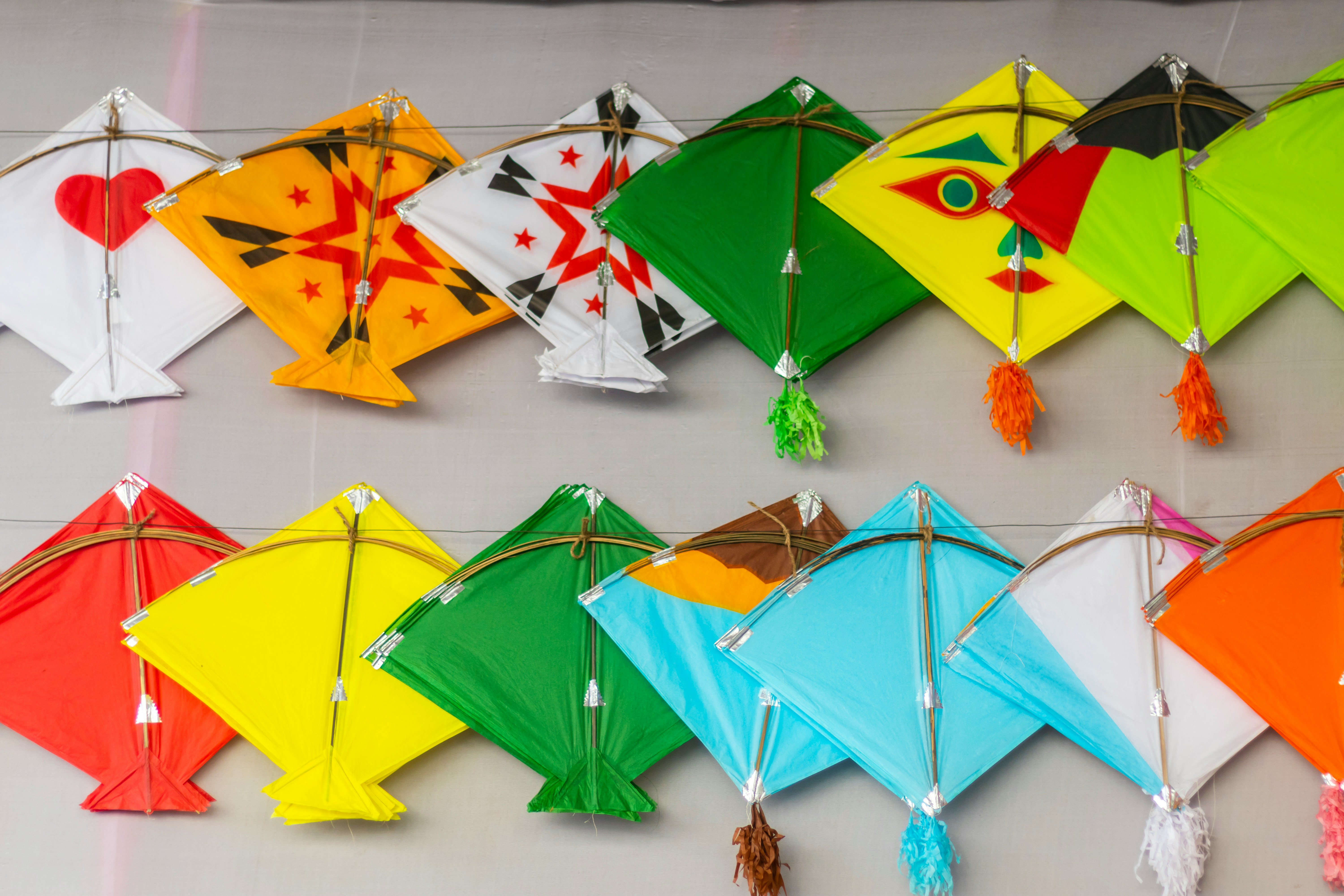

As December winds down, Indian communities across the United States begin their preparations for one of the most vibrant and celebrated festivals of the year. Makar Sankranti and Uttarayan festivals transform January skies into colorful canvases filled with dancing kites, bringing families together in a tradition that spans generations. For diaspora communities, December becomes a crucial month for sourcing materials, organizing community events, and ensuring safety measures are in place for these beloved celebrations.
The transition from winter to spring, marked by the sun's movement into Capricorn, holds deep cultural significance that resonates strongly within Indian American families. Whether you're planning your first kite festival in the U.S. or you're a seasoned organizer, proper preparation ensures that January's festivities honor tradition while adapting to American community standards and safety requirements.

Welcome to United Tribes
Where Indian Culture Comes Alive
Join Your Tribe
Connect with your people
Discover Events
Watch parties & festivals
Find Indian Businesses
Restaurants, markets & more
Earn Crown Credits
Get rewarded for engaging
Essential Kite and Equipment Sourcing
December sourcing becomes critical for successful Makar Sankranti celebrations, as traditional materials may require advance ordering or special imports. Begin by identifying reliable suppliers who understand the cultural importance and quality requirements of festival kites.
Traditional patang kites remain the heart of any authentic celebration. These diamond-shaped paper kites, typically measuring 9-12 inches, come in vibrant colors that create stunning aerial displays. Source kites from established Indian import stores, online specialty retailers, or community cooperatives that organize bulk purchases. Many diaspora communities coordinate group orders in December to reduce costs and ensure adequate supplies for neighborhood celebrations.
Manja preparation requires particular attention to safety regulations in American communities. Traditional glass-coated strings, while authentic, face restrictions in many U.S. locations due to safety concerns for wildlife and people. Research manja-safe alternatives, such as cotton thread treated with natural adhesives, synthetic strings designed for kite fighting, or specially manufactured competition lines that provide similar performance without environmental risks.
Essential equipment extends beyond kites and strings. Stock up on wooden spools (firki), extra bamboo strips for repairs, tissue paper in festival colors, and traditional glue made from flour and water. Include backup supplies, such as scissors, measuring tape, and storage containers, to keep materials organized during multi-day celebrations.
Community Safety Guidelines and Regulations
Safety planning forms the foundation of successful Uttarayan kites celebrations within American neighborhoods and public spaces. December preparation involves researching local regulations, obtaining necessary permits, and establishing community safety protocols that protect participants while preserving the festival's authenticity.
Contact local parks and recreation departments early in December to secure appropriate venues for kite flying. Many communities require advance booking for large gatherings, especially those involving traditional activities that may be unfamiliar to local authorities. Provide educational materials about the festival's cultural significance to help officials understand and support your celebration plans.
Establishing Safe Flying Zones
Identify open spaces away from power lines, airports, and busy roadways. School playgrounds, large parks, and designated recreational areas often provide ideal locations for outdoor activities. Create buffer zones around buildings and ensure adequate space for participants to move safely while managing kite strings. Mark boundaries clearly and assign community volunteers to monitor different zones during the event.
Environmental considerations become particularly important when planning the Indian kite festival in diverse American communities. Establish cleanup protocols, provide waste collection stations, and organize volunteer teams to restore the area after the festival. Many successful community celebrations incorporate environmental stewardship as part of their cultural presentation, demonstrating respect for shared spaces.
Coordinate with local emergency services by providing event details, participant estimates, and emergency contact information. Establish first aid stations staffed by trained community members, and ensure that quick access routes are available or emergency vehicles are on standby if needed.
Building Community Engagement Activities
Family-centered activities strengthen cultural connections while making celebrations accessible to multiple generations within diaspora communities. December planning should encompass traditional elements alongside educational components that help younger participants understand the significance of their heritage.
Organize pre-festival workshops during December weekends where families can learn kite-making techniques, practice flying skills, and understand the cultural stories behind Makar Sankranti traditions. These gatherings serve dual purposes: preserving traditional knowledge while building excitement for January celebrations. Include storytelling sessions about harvest festivals, mythological connections, and regional variations of the celebration across different Indian states.
Culinary planning adds authentic flavors that complement the festival atmosphere. Coordinate community cooking activities featuring traditional sweets, such as tilgud, kheer, and regional specialties. Plan menu items that can be prepared in advance and served easily during outdoor celebrations. Consider dietary restrictions and include options that accommodate vegetarian, vegan, and gluten-free participants within your community.
Cultural Education Components
Design educational displays that explain the astronomical significance of Makar Sankranti, regional celebration differences, and the festival's connection to agricultural cycles. Create interactive stations where children can learn about Indian geography, seasonal changes, and traditional crafts. These elements help preserve cultural knowledge while engaging American-born community members who may have limited exposure to heritage traditions.
Invite community elders to share personal stories about kite festivals in their home regions, creating intergenerational connections that strengthen cultural bonds. Record these conversations for community archives, ensuring that traditional knowledge is transfers to future generations. The practice of building communities through celebrations creates lasting memories while preserving cultural identity.
Traditional Food and Celebration Planning
Meal preps ensure authentic flavors enhance your Uttarayan kites celebration while accommodating community logistics and dietary preferences. Traditional festival foods carry deep symbolic meaning, representing harvest abundance and seasonal transitions that connect diaspora communities to their agricultural heritage.
Focus on sweets made with sesame seeds and jaggery, which hold particular significance during Makar Sankranti. Tilgud laddoos, sesame seed brittle, and kheer preparations can be made in advance and stored properly for January celebrations. Organize community cooking sessions where experienced cooks share traditional recipes while newer community members learn authentic preparation techniques.
Bulk preparation strategies help manage large community gatherings efficiently. Create cooking committees responsible for different menu categories: sweets, snacks, main dishes, and beverages. Traditional items like puran poli, undhiyu, and regional specialties require advance preparation that fits well into December planning schedules.
Consider incorporating elements that connect to other cultural celebrations, such as the creative decoration ideas that bring festive ambiance to community spaces. Colorful rangoli patterns, traditional textiles, and decorative elements create immersive environments that transport participants into authentic festival atmospheres.
Beverage and Refreshment Coordination
Offer traditional beverages such as sugarcane juice, masala chai, and regional drinks that complement outdoor activities. Consider the typical weather conditions for January celebrations in your area, providing both warming drinks for cold climates and refreshing options for milder regions. Create beverage stations that serve efficiently during peak celebration hours.
Coordinate with local Indian food establishments to supplement community-prepared items or provide backup options for larger gatherings. Many Indian American businesses welcome opportunities to participate in cultural celebrations, creating partnerships that benefit both community events and local enterprises.
Creating Memorable Family Traditions
Tradition-building within diaspora communities requires striking a balance between authentic practices and adaptations that are effective within American contexts. December preparation includes planning activities that create lasting memories while ensuring cultural transmission to younger generations growing up far from traditional celebration environments.
Design family participation activities that cater to diverse skill levels and age groups. Create beginner-friendly kite flying lessons, advanced workshops for traditional kite fighting techniques, and creative sessions where children can decorate kites with personal designs while learning about traditional patterns and their meanings.
Photography and documentation become essential elements of diaspora celebrations, enabling families to maintain connections to cultural practices and share experiences with extended family in India and other locations. Organize community photo sessions, create digital archives of celebration activities, and establish social media coordination that respectfully shares cultural traditions with broader American communities.
Incorporate elements that connect Indian kite festivals to broader cultural appreciation, such as traditional attire encouragement that showcases the beauty of Indian clothing and textiles. These visual elements create authentic atmospheres while providing educational opportunities for non-Indian community members who may observe or participate in celebrations.
Multi-Generational Engagement
Plan activities that specifically bring together different generations within families and the broader community. Create mentor-student pairings where experienced kite fliers teach newcomers, ensuring that traditional techniques are passed to younger participants. Include storytelling circles where elders share memories of celebrations in India while younger community members discuss their American experiences.
Consider connections to other aspects of cultural preservation, such as the role of Indian music and film in maintaining cultural connections. Background music, traditional songs, and cultural performances can enhance festival atmospheres while providing additional layers of cultural education and entertainment.
Weather Considerations and Backup Plans
These events require careful attention to regional climate conditions across different parts of the United States where Indian communities celebrate Makar Sankranti activities. December preparation should include contingency planning for various weather scenarios that could impact outdoor kite-flying celebrations.
Research historical weather patterns for your celebration location during mid-January. Northern states may face snow, ice, or extremely cold temperatures, making outdoor activities challenging, while southern regions might experience rain, high winds, or unseasonably warm conditions. Each scenario requires different preparation strategies and backup activity options.
Indoor alternatives preserve festival spirit when weather conditions prevent outdoor kite flying. Plan indoor venues that can accommodate traditional food sharing, cultural programs, storytelling sessions, and craft activities. Community centers, school gymnasiums, or religious facilities often provide suitable spaces for modified celebrations that preserve cultural significance while accommodating practical constraints.
Create flexible activity schedules that can be adjusted according to weather conditions. Include indoor kite-making workshops, traditional game tournaments, cultural presentation programs, and cooking demonstrations that can be held regardless of outdoor conditions. These alternatives ensure that Uttarayan kite celebrations continue even when actual kite flying becomes impractical.
Soaring Into Cultural Connection
December preparation for Makar Sankranti and Uttarayan celebrations creates opportunities for Indian diaspora communities to strengthen cultural bonds while building lasting traditions in American settings. Through careful planning of materials, safety protocols, community activities, and family engagement opportunities, these January festivals become powerful expressions of cultural identity that bridge generations and geographic distances. The investment of time and energy during December preparation pays dividends in authentic, meaningful celebrations that honor tradition while creating new memories for families growing up far from ancestral homelands.
Visit United Tribes today and discover more about Indian culture and community celebrations, as well as connect with resources and fellow community members who share your commitment to preserving cultural traditions through meaningful festival experiences.
Make United Tribes Your Preferred Source
Add United Tribes on Google to get the latest stories, cultural updates, and community events directly in your Google Search and Top Stories.


