
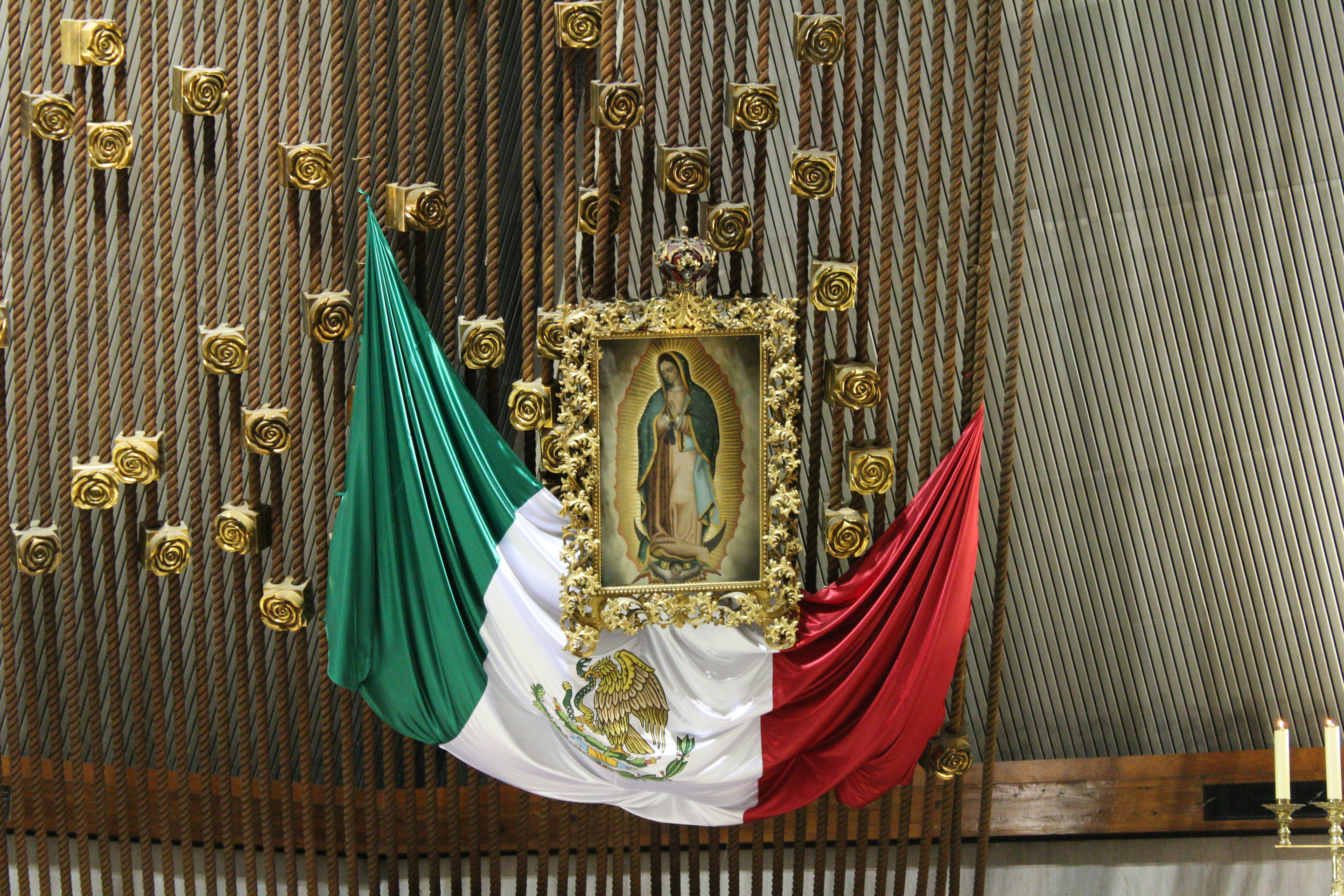


Every December 12th, millions of Mexican Americans across the United States unite in one of the most profound expressions of faith and cultural identity. From the pre-dawn singing of Las Mañanitas to elaborate processions and cultural celebrations, Our Lady of Guadalupe observances create a tapestry of devotion that spans from coast to coast.
This sacred day honors the Virgin of Guadalupe, whose apparition to Juan Diego in 1531 transformed not only Mexico but continues to shape Mexican American devotion centuries later. The celebration begins before sunrise in churches, community centers, and homes across America, as voices join together in the traditional birthday song for the Virgin Mary.
The Sacred Dawn Las Mañanitas Tradition
The most cherished aspect of Our Lady of Guadalupe processions begins in the darkness before dawn. Las Mañanitas, the traditional Mexican birthday song, fills churches and community gathering spaces as early as 4:00 AM, creating an atmosphere of reverence and joy that defines December 12th for Mexican American families.
Pre-Dawn Serenades Across America
In cities with significant Mexican American populations, the tradition assumes unique local characteristics while retaining its sacred essence. Los Angeles sees thousands gather at the Cathedral of Our Lady of the Angels, where mariachi groups and church choirs alternate in singing Las Mañanitas as the sun rises over the city. Chicago's Pilsen neighborhood transforms into a center of devotion, with multiple parishes coordinating their celebrations to ensure the music continues uninterrupted from 4:00 AM until morning mass.
The lyrics of Las Mañanitas for the Virgin carry special meaning during these early morning hours: "Estas son las mañanitas que cantaba el Rey David, hoy por ser día de la Virgen te las cantamos así." These words connect Mexican American communities to centuries of tradition, bridging the gap between their ancestral homeland and their present in America.
Musical Traditions and Community Participation
Mexican American devotion expresses itself through various musical forms during these dawn celebrations. Traditional mariachi ensembles donate their time and talents, understanding the cultural significance of their participation. Church choirs spend months preparing special arrangements that blend traditional melodies with contemporary harmonies, creating performances that resonate with multiple generations.
Community members of all ages participate, from elderly parishioners who have maintained this tradition for decades to young families introducing their children to their cultural heritage. Many churches provide bilingual songbooks, and the melodies themselves carry the devotional message across linguistic boundaries.
Vigils and Prayer Services Nationwide
The spiritual preparation for December 12th extends far beyond the dawn celebrations, with Our Lady of Guadalupe observances featuring elaborate vigil services that begin on December 11th and continue through the night. These vigils represent some of the most profound expressions of Mexican American devotion, combining traditional Catholic liturgy with distinctly Mexican spiritual practices.
Novenas Leading to December 12th
Many Mexican American parishes begin their observance with nine consecutive days of prayer, known as novenas, starting December 3rd. These preparatory services incorporate elements unique to Guadalupan devotion, including the recitation of specific prayers to the Virgin, the singing of traditional hymns, and the sharing of the historical account of her apparitions to Juan Diego.
All-Night Vigil Services
The vigil from December 11th to 12th represents the culmination of spiritual preparation. Churches remain open throughout the night, with scheduled prayer services every few hours to maintain the sacred atmosphere. These services often include the Rosary, Eucharistic Adoration, and the communal singing of traditional hymns in honor of the Virgin of Guadalupe.
In Houston's predominantly Mexican American neighborhoods, parishes coordinate their vigil schedules to ensure continuous prayer throughout the community. Families take turns maintaining the vigil, with different groups responsible for specific hours during the night.
Processions and Street Celebrations
Our Lady of Guadalupe celebrations transform American streets into expressions of faith and cultural pride through elaborate processions that showcase the public dimension of Mexican American devotion. These processions blend religious reverence with community celebration, creating powerful displays of cultural identity that educate and inspire both participants and observers.
Traditional Aztec Dancers and Cultural Elements
Many American processions incorporate Aztec dancers, known as danzantes, who perform traditional dances that predate the arrival of the Spanish. These performances connect the celebration to indigenous Mexican roots, acknowledging the syncretic nature of Guadalupan devotion that blends Catholic and indigenous spiritual traditions.
The danzantes wear elaborate feathered headdresses, intricate costumes, and ankle bells that create rhythmic accompaniment to their sacred dances. Their participation in Our Lady of Guadalupe processions serves as both artistic performance and spiritual offering, maintaining connections to ancestral traditions while adapting to American urban environments.
Community-Wide Participation and Organization
Successful processions require extensive community coordination, with local Mexican American organizations, parish committees, and cultural groups collaborating months in advance. These planning committees ensure the proper issuance of permits, coordinate with local law enforcement for street closures, and organize the logistics of safely moving hundreds or thousands of participants through urban areas.
In cities like San Antonio, the procession route often spans several miles, beginning at historic Mexican American neighborhoods and concluding at major Catholic churches. Local businesses along the route frequently participate by decorating their storefronts with images of the Virgin and offering refreshments to participants, creating a community-wide celebration that extends beyond religious boundaries.
Cultural Programs and Community Events
The celebration of Our Lady of Guadalupe extends well beyond religious observances to include comprehensive cultural programs that educate, entertain, and strengthen Mexican American communities. These events serve as platforms for cultural transmission, ensuring that younger generations understand the historical and spiritual significance of their heritage while adapting traditions for contemporary American contexts.
Educational Workshops and Historical Presentations
Many community centers and cultural organizations coordinate educational programs during the weeks leading up to and surrounding December 12th. These workshops examine the historical context of the Virgin's apparitions, the evolution of Mexican American religious traditions, and the role of Guadalupan devotion in preserving cultural identity within immigrant communities.
Universities with significant Mexican American student populations often host academic conferences that examine the sociological and theological implications of Mexican American devotion. These scholarly events contribute to a broader understanding while providing platforms for community members to share personal testimonies and family traditions related to the Virgin of Guadalupe.
Art Exhibitions and Cultural Displays
The visual arts play a crucial role in Our Lady of Guadalupe celebrations, with community centers, libraries, and galleries hosting exhibitions that showcase both traditional and contemporary interpretations of Guadalupan imagery. These displays often feature works by local Mexican American artists who incorporate the Virgin's image into paintings, sculptures, textiles, and multimedia installations.
These exhibitions serve multiple purposes: they provide venues for artistic expression, educate broader communities about Mexican religious traditions, and create spaces for intergenerational dialogue about faith, cultural identity, and community.
Regional Variations and Local Traditions
Our Lady of Guadalupe celebrations reflect the diversity of Mexican American communities across various regions, with local traditions evolving into unique characteristics while maintaining the core elements of devotion. These regional variations demonstrate how Mexican American devotion adapts to different geographic, demographic, and cultural contexts while preserving essential spiritual and cultural elements.
Southwestern United States Celebrations
In states with long-standing Mexican American populations, such as Texas, Arizona, New Mexico, and California, Our Lady of Guadalupe observances often incorporate elements that reflect the rich historical presence of Mexicans in these regions. Churches built during the Spanish colonial period become focal points for celebrations that connect contemporary communities to centuries of continuous devotion.
The Southwest's celebrations frequently feature processions that traverse historically significant routes, linking modern Mexican American communities to the colonial and territorial periods of their regions' histories. These geographic connections add layers of meaning to the religious observance, creating celebrations that honor both spiritual devotion and historical continuity.
Midwest and East Coast Adaptations
Mexican American communities in cities like Chicago, Detroit, New York, and Boston have developed celebration traditions that adapt to urban environments and smaller, more dispersed populations. These communities often concentrate their observances in specific neighborhoods or parishes that serve as cultural anchors for broader Mexican American populations within the metropolitan area.
Integration with Local American Customs
Some Our Lady of Guadalupe celebrations incorporate elements that reflect their American context while maintaining their Mexican spiritual core. These adaptations include coordination with local interfaith organizations, participation in broader multicultural festivals, or incorporation of American musical styles into traditional hymns.
These Hispanic heritage traditions demonstrate how cultural practices evolve while maintaining their essential character. These adaptations ensure that Mexican American devotion remains relevant and accessible to new generations growing up in American contexts.
Food, Fellowship, and Community Building
The preparation and sharing of traditional Mexican dishes creates opportunities for community building, cultural education, and intergenerational connection that extend the celebration's impact far beyond the religious ceremonies themselves.
Traditional Foods and Their Spiritual Significance
The foods associated with Mexican American devotion during these celebrations carry both nutritional and spiritual significance. Traditional dishes like tamales, pozole, and pan dulce require community preparation, bringing families and neighbors together in the days leading up to December 12th. These cooking sessions provide opportunities for older community members to share traditional techniques while recounting stories about the role of faith in their own lives.
Many communities organize massive food preparation efforts in church kitchens and community centers, with dozens of volunteers contributing their time and family recipes to help. These collaborative cooking sessions embody the communal spirit of the celebration while ensuring that traditional recipes and techniques are passed on to the next generation.
Community Meals and Social Gathering
The feast that follows religious services provides an essential social space for community building and cultural exchange. These meals welcome newcomers to the community, provide opportunities for business networking among Mexican American entrepreneurs, and create informal educational environments where cultural knowledge passes between generations. Latin cuisine extends beyond mere sustenance to become a vehicle for cultural preservation and community building. These meals become sacred spaces where food serves spiritual and social purposes simultaneously.
Supporting Local Mexican American Businesses
Many communities intentionally source ingredients and supplies from local Mexican American businesses, understanding that Mexican American devotion includes economic solidarity within the community. This practice ensures that celebration expenses support local entrepreneurs while providing authentic ingredients that maintain traditional flavors and preparation methods.
The emphasis on supporting local Latin businesses becomes particularly evident during major celebrations, such as December 12th. Community organizers create vendor opportunities for local Mexican American food businesses, artisans, and service providers, turning religious celebrations into economic empowerment opportunities.
Preserving Sacred Traditions in American Communities
Our Lady of Guadalupe celebrations on December 12th represent the resilience, creativity, and devotion of Mexican American communities who have maintained sacred traditions while building new lives in America. From the pre-dawn singing of Las Mañanitas to elaborate community feasts, these celebrations create spaces where faith, culture, and identity intersect in powerful and meaningful ways. The continuation of these traditions ensures that future generations will understand their cultural heritage and contribute to the rich, multicultural tapestry of American society.
Visit United Tribes today and discover more about Mexican American culture and community celebrations that foster cultural identity and cultivate lasting connections across the United States.


