
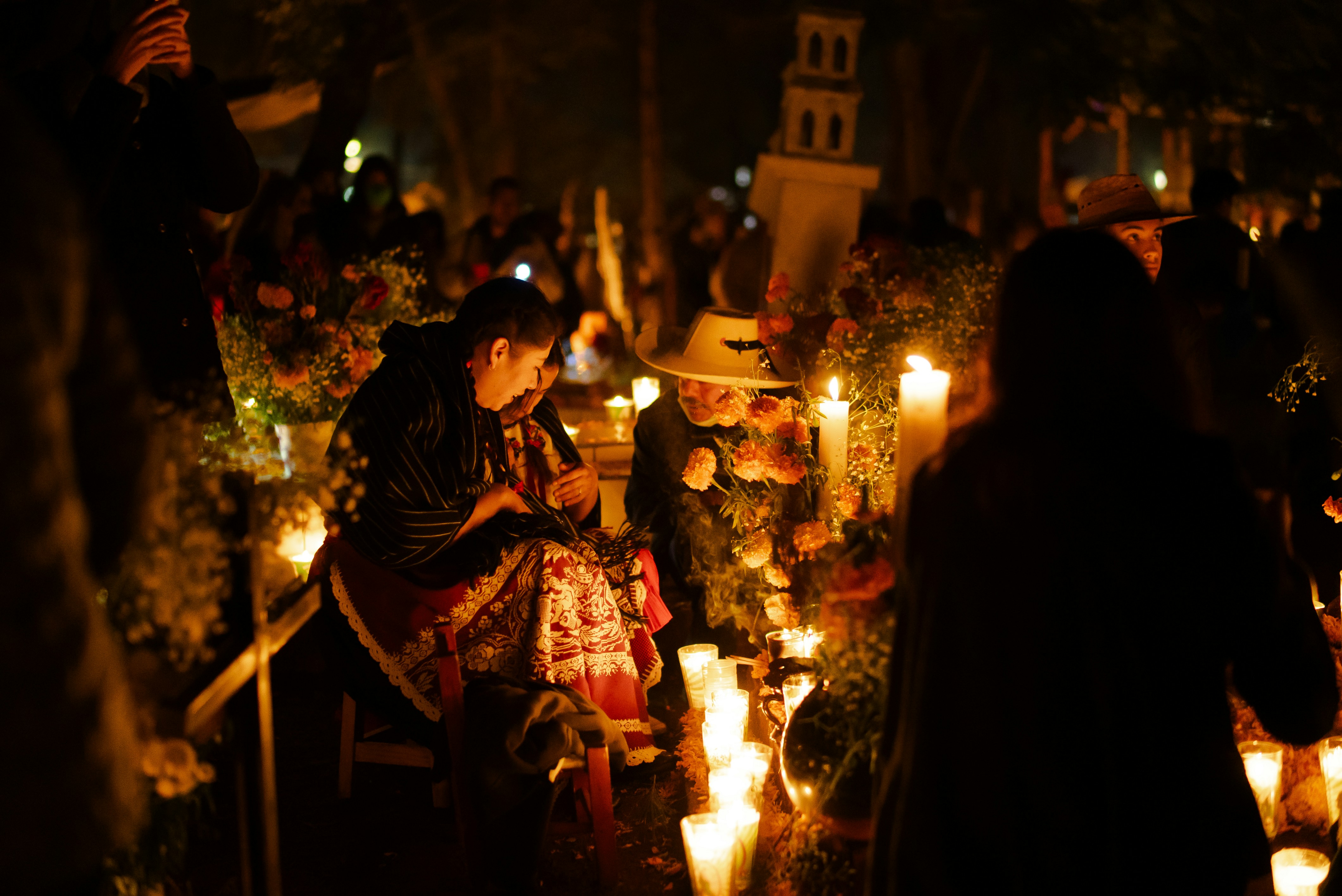

As November 2025 approaches, Latino communities across the United States are preparing to honor their ancestors through vibrant Día de los Muertos events that blend ancient traditions with modern celebrations. This sacred time of Latino cultural remembrance transforms cities nationwide into colorful tapestries of marigolds, sugar skulls, and elaborate altars that bridge the gap between the living and the departed. From Los Angeles to New York, Day of the Dead celebrations continue to grow, offering both Latino families and curious neighbors the opportunity to participate in one of Mexico's most meaningful traditions.
Major Cities Embracing Día de los Muertos Celebrations
Los Angeles California
Los Angeles leads the nation in Día de los Muertos events, with Hollywood Forever Cemetery hosting its renowned celebration featuring traditional altars, live music, and authentic Mexican cuisine. The event draws over 30,000 visitors annually, making it one of the largest Day of the Dead celebrations in the country. Downtown LA's Grand Park also transforms into a massive ofrenda with community-built altars honoring both personal ancestors and cultural icons.

Welcome to United Tribes
Where Mexican Culture Comes Alive
Join Your Tribe
Connect with your people
Discover Events
Watch parties & festivals
Find Mexican Businesses
Restaurants, markets & more
Earn Crown Credits
Get rewarded for engaging
Olvera Street, the historic heart of LA's Mexican community, extends its celebration throughout November with daily programming including traditional dance performances, altar-building workshops, and artisan markets. The influence of Latin cuisine becomes especially prominent during these celebrations, with vendors offering pan de muerto, mole, and other traditional foods that connect families to their heritage.
San Antonio Texas
San Antonio's Día de los Muertos celebrations center around the historic Market Square and extend throughout the Southside, featuring elaborate processions that wind through neighborhoods with significant Mexican-American populations. The city's Marigold Project installs massive floral displays throughout downtown, creating a visual pathway that guides families and visitors through various celebration sites.
The San Antonio Museum of Art collaborates with local artisans to create large-scale installations that educate visitors about the spiritual significance of ancestor veneration while showcasing contemporary interpretations of traditional crafts and symbols.
Chicago Illinois
Chicago's Pilsen neighborhood, home to one of the country's largest Mexican communities, hosts a multi-week festival featuring street murals, community altars, and educational programs in local schools. The National Museum of Mexican Art anchors the celebration with exhibitions that explore how Latino cultural remembrance practices have evolved within diaspora communities.
Local businesses throughout Pilsen participate by creating storefront displays and offering traditional foods, demonstrating how supporting local Latin businesses empowers communities while preserving cultural practices.
Traditional Elements Defining Modern Celebrations
Public Altars and Ofrendas
Community ofrendas serve as the centerpiece of most Day of the Dead celebrations, with families and organizations creating elaborate displays that honor deceased loved ones. These altars typically feature photographs, favorite foods, marigold flowers, candles, and personal belongings that celebrate the lives of the departed.
Many cities now organize public altar competitions, encouraging community participation while educating visitors about the spiritual significance behind each element. Sugar skulls, papel picado, and calavera decorations transform public spaces into sacred areas where families can gather for reflection and celebration.
Processions and Community Gatherings
Traditional processions, or comparsas, lead communities through neighborhoods while carrying portraits of ancestors and playing traditional music. These moving celebrations often begin at sunset on November 1st and continue through November 2nd, following the traditional timeline that honors deceased children on the first day and adults on the second.
Building community through celebration becomes especially meaningful during these processions, as both Latino families and community allies join together in honoring the deceased while celebrating life and cultural continuity.
Educational and Cultural Exhibitions
Museums and cultural centers throughout the United States organize special exhibitions during November that explore the historical roots and contemporary expressions of Día de los Muertos. These displays often feature traditional crafts, historical artifacts, and contemporary artworks that demonstrate how this ancient celebration continues to evolve within modern Latino communities.
Educational programs target both Spanish-speaking families seeking to connect their children with ancestral traditions and English-speaking communities interested in understanding the deeper spiritual significance behind the colorful celebrations. Workshops on altar construction, traditional cooking classes, and storytelling sessions help preserve and transmit cultural knowledge across generations.
Many exhibitions also explore how Latino cultural remembrance practices serve as healing mechanisms for communities dealing with loss while reinforcing the central role of family in Latino culture through intergenerational connection and shared memory.
Community Impact and Cultural Preservation
Día de los Muertos events serve multiple purposes beyond traditional ancestor veneration. They provide opportunities for Latino entrepreneurs to showcase traditional crafts, foods, and services while educating broader communities about Mexican and Central American cultural practices.
These celebrations also create spaces where second and third-generation Latino Americans can reconnect with ancestral traditions, often serving as entry points for deeper cultural exploration.
Enduring Hispanic heritage traditions find new expression through these public celebrations, which adapt ancient practices to contemporary urban environments while maintaining their essential spiritual and community-building functions.
The economic impact of these celebrations extends throughout November, with local businesses reporting increased sales of traditional foods, decorative items, and cultural products. This economic activity supports Latino-owned businesses while introducing non-Latino consumers to authentic cultural products and experiences.
Honoring Ancestors Through Cultural Celebration
The Day of the Dead celebrations demonstrate how traditional Latino cultural remembrance practices continue to thrive and evolve within diverse American communities. These celebrations serve as powerful tools for cultural preservation while creating inclusive spaces where families can honor ancestors, share traditions, and strengthen community bonds. The growth of these celebrations reflects the increasing recognition of Latino contributions to American cultural life and the universal human need to remember and honor those who came before us.
As these traditions take root in new communities across the United States, they create opportunities for cross-cultural understanding while providing Latino families with meaningful ways to pass ancestral wisdom to younger generations. The November celebrations remind us that death is not an end but a continuation of family stories and cultural legacies that bind communities together across time and space.
Visit United Tribes today and find out more about Latino culture and community events happening in your area throughout this meaningful season of remembrance.


