
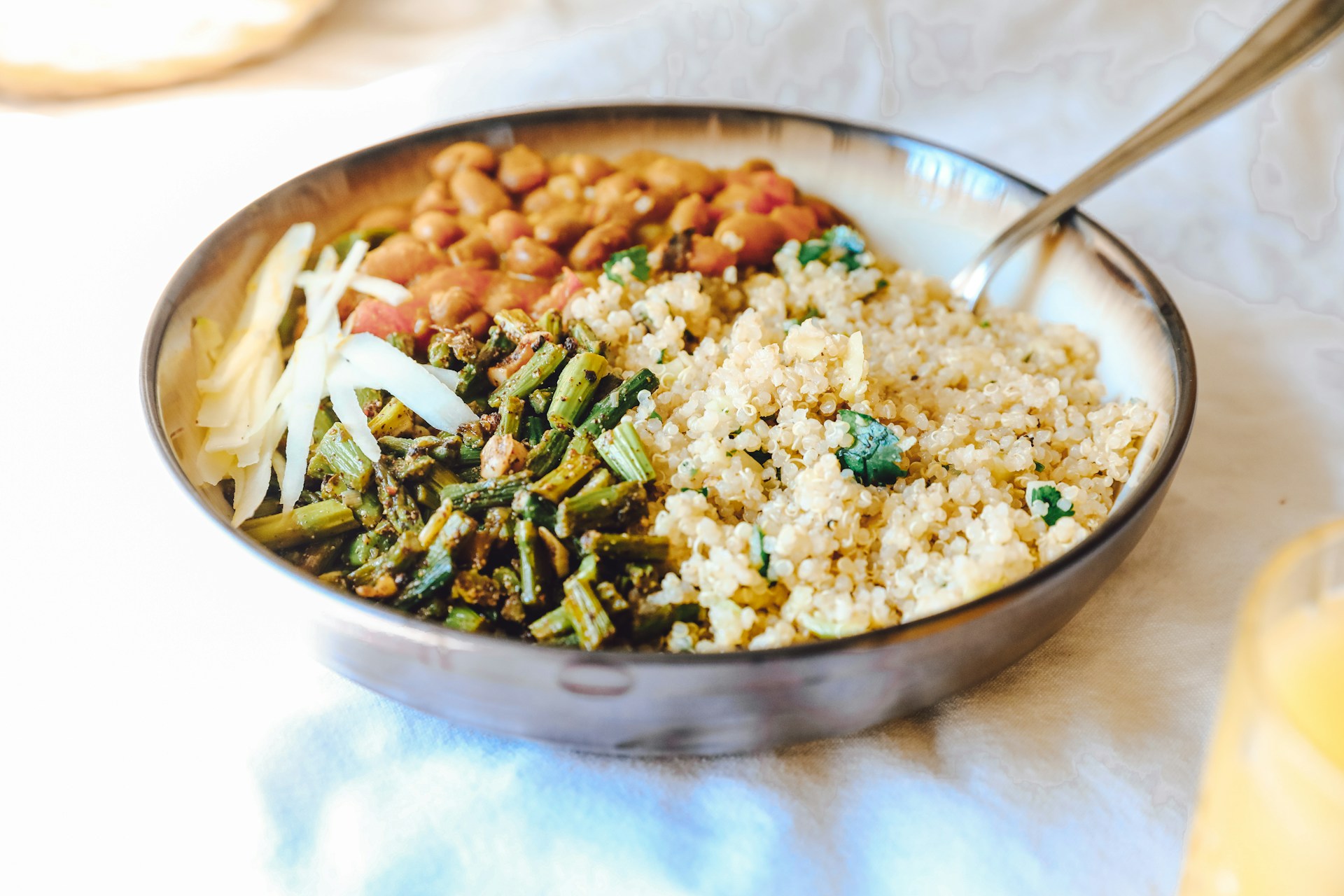

Latin American superfoods have quietly transformed kitchens across the United States, bringing centuries-old nutritional wisdom from indigenous communities to modern dinner tables. From the ancient grains of the Andes to the tropical fruits of Central America, these nutrient-dense foods embody the rich and healthy agricultural heritage and traditional knowledge of Latino communities. As Hispanic families maintain their cultural connections through food, these superfoods serve as bridges between ancestral traditions and contemporary wellness practices.
The Ancient Grains Revolution
Quinoa stands as perhaps the most celebrated of all Latin American superfoods, earning its reputation as the "mother grain" from the Incas who cultivated it over 5,000 years ago in the high altitudes of Peru and Bolivia. This complete protein contains all nine essential amino acids, making it particularly valuable for vegetarian and health-conscious consumers in the United States. Quinoa and amaranth markets have exploded as both grains offer gluten-free alternatives packed with fiber, iron, and magnesium.

Welcome to United Tribes
Where Mexican Culture Comes Alive
Join Your Tribe
Connect with your people
Discover Events
Watch parties & festivals
Find Mexican Businesses
Restaurants, markets & more
Earn Crown Credits
Get rewarded for engaging
Amaranth, another ancient grain revered by the Aztecs, provides similar nutritional benefits with its own unique cultural significance. Mexican and Central American communities have long incorporated amaranth into traditional sweets and ceremonial foods. Today's Latino families often prepare alegría, a traditional Mexican candy made from popped amaranth seeds and honey, maintaining cultural connections while benefiting from the grain's impressive protein content and calcium levels.
Quinoa in Modern Latino Households
Contemporary Latino families across the United States have embraced quinoa as both a health-conscious choice and a connection to indigenous roots. Many prepare quinoa as a substitute for rice in traditional dishes, creating fusion meals that honor heritage while meeting modern dietary needs. The grain's versatility allows for incorporation into everything from sopa de quinoa to quinoa-stuffed peppers, demonstrating how Hispanic health foods adapt to contemporary lifestyles.
Amaranth's Cultural Renaissance
Amaranth has experienced a remarkable revival in Latino communities, particularly among Mexican-American families rediscovering their pre-Columbian heritage. Beyond its traditional use in sweets, modern cooks incorporate amaranth into breakfast cereals, energy bars, and savory dishes. The grain's naturally sweet, nutty flavor pairs beautifully with traditional Mexican spices and ingredients.
Nutrient-Dense Fruits and Vegetables
Latin American superfoods extend far beyond grains to include an impressive array of fruits and vegetables that have gained recognition in U.S. health circles. Açaí from Brazil delivers powerful antioxidants in purple-hued bowls that have become Instagram sensations, while maintaining deep cultural significance in Amazonian communities. Similarly, cacao, the foundation of chocolate, originated in Mesoamerica and continues to be celebrated for its flavonoids and mood-enhancing properties.
Chia seeds, once currency for Aztec warriors, now appear in smoothie bowls and puddings across American health food stores. These tiny seeds pack omega-3 fatty acids, fiber, and protein into a small package, making them ideal for busy Latino families seeking convenient nutrition. Jícama, a crispy root vegetable popular in Mexican cuisine, provides vitamin C and prebiotic fiber while serving as a refreshing snack or salad ingredient.
Traditional Preparation Methods
Latino communities have developed sophisticated preparation methods for these superfoods over generations. Horchata de chufa incorporates chia seeds for added nutrition, while traditional agua frescas feature jícama for natural sweetness and hydration. These preparation methods often enhance the bioavailability of nutrients while creating culturally meaningful food experiences.
Modern Applications in Hispanic Health Foods
The integration of Latin American superfoods into contemporary U.S. diets reflects broader trends toward plant-based nutrition and cultural food exploration. Hispanic health foods have evolved to include modern interpretations of traditional ingredients, creating products that appeal to both Latino communities, maintain cultural connections, and mainstream consumers seeking nutritional benefits.
Food entrepreneurs within Latino communities have launched businesses centered around these superfoods, creating everything from quinoa pasta to amaranth protein bars. These ventures not only provide economic opportunities but also serve as cultural ambassadors, introducing broader audiences to the nutritional wisdom embedded in Latin American food traditions.
Commercial Success Stories
Several Latino-owned companies have achieved remarkable success by bringing traditional superfoods to mass markets. These businesses often emphasize the cultural heritage behind their products while highlighting modern nutritional benefits, creating brand stories that resonate with both Latino consumers and health-conscious mainstream markets.
Health Benefits and Nutritional Science
Scientific research continues to validate the nutritional wisdom embedded in traditional Latin American diets. Studies demonstrate these grains' superior protein quality compared to many conventional grains, while research on fruits like açaí reveals impressive antioxidant levels that support cardiovascular health and cognitive function.
The mineral content of these superfoods addresses common nutritional deficiencies in modern diets. Quinoa provides significant iron and magnesium, essential for energy production and bone health. Amaranth offers calcium levels that rival dairy products, making it particularly valuable for lactose-intolerant individuals within Latino communities and beyond.
Addressing Dietary Challenges
Hispanic health foods featuring traditional superfoods help address specific health challenges prevalent in Latino communities, including diabetes and cardiovascular disease. The complex carbohydrates and fiber in ancient grains help regulate blood sugar levels, while the potassium content in fruits like açaí supports heart health.
Cultural Preservation Through Food
The growing popularity of Latin American superfoods serves a crucial role in cultural preservation, allowing Latino communities to maintain connections to ancestral foodways while adapting to modern lifestyles. Younger generations of Latino Americans often discover their heritage through these foods, creating intergenerational bonds over shared meals featuring traditional ingredients prepared in contemporary ways.
Community organizations and cultural centers frequently organize workshops teaching traditional superfood preparation methods, ensuring knowledge transfer between generations. These educational initiatives help preserve not just recipes but the cultural contexts that give these foods their deeper significance beyond mere nutrition.
Embracing Ancestral Nutrition Wisdom
Latin American superfoods represent far more than trending health foods. These embody centuries of agricultural wisdom and cultural heritage that continue to nourish communities across the United States. From quinoa's complete protein profile to amaranth's mineral density, these foods offer both nutritional benefits and cultural connections that strengthen Latino identity in diaspora communities. The growing mainstream appreciation for these superfoods creates opportunities for cultural exchange while supporting Latino food entrepreneurs and traditional farming communities.
As these superfoods continue gaining recognition in American markets, they serve as powerful ambassadors for Latino culture, introducing broader audiences to the sophisticated nutritional knowledge developed by indigenous communities over millennia. The integration of quinoa, amaranth, and other traditional foods into modern diets demonstrates how cultural preservation and contemporary wellness can work hand in hand. Visit United Tribes today and find out more about Latino culture and community celebrations that honor these remarkable food traditions.
Make United Tribes Your Preferred Source
Add United Tribes on Google to get the latest stories, cultural updates, and community events directly in your Google Search and Top Stories.